
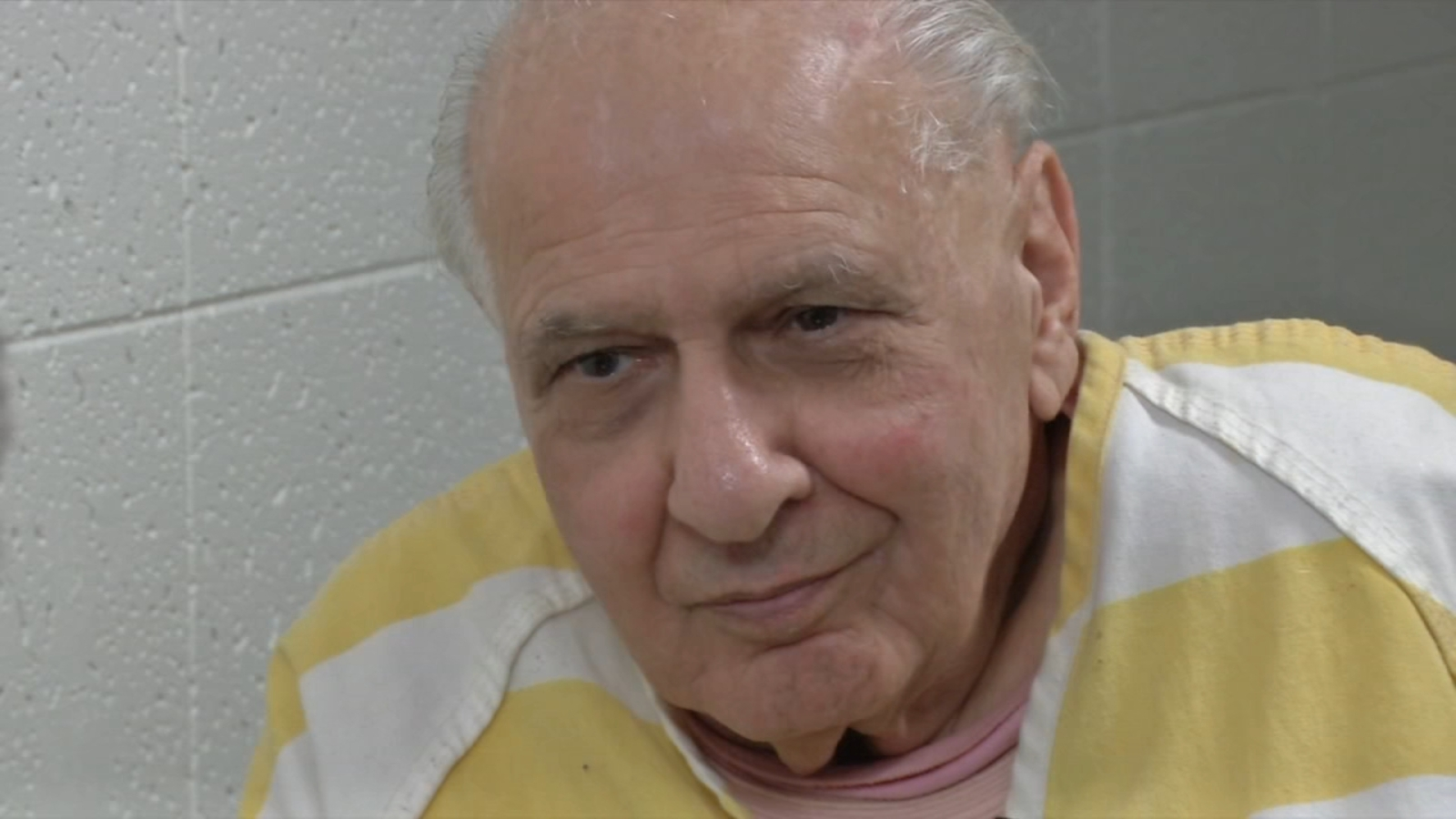
Joseph Naso, a 91-year-old convicted serial killer known as the “Alphabet Killer,” has made chilling claims that his body count far exceeds the four murders for which he was convicted in 2013. Currently incarcerated at San Quentin State Prison in California, Naso was sentenced to death for the brutal killings of four women between 1977 and 1994, all of whom had matching first and last initials.
However, new revelations from a fellow inmate suggest that Joseph Naso may have killed as many as 26 women, a claim that could place him among the most prolific serial killers in American history. This shocking development, detailed in the upcoming documentary Death Row Confidential: Secrets of a Serial Killer, premiering on Oxygen on September 13, 2025, has reignited interest in Naso’s case and raised questions about unsolved murders across California and beyond.
The Alphabet Killer’s Convicted Crimes
Joseph Naso, born January 7, 1934, in Rochester, New York, was convicted on August 20, 2013, for the murders of four women: Roxene Roggasch, Carmen Colon, Pamela Parsons, and Tracy Tafoya. These killings, which spanned nearly two decades, earned Naso the moniker “Alphabet Killer” due to the distinctive pattern of his victims’ names, where each woman’s first and last initials matched.
Roxene Roggasch, 18, was found strangled near Fairfax, California, in 1977, with multiple pairs of nylons wrapped around her neck and stuffed in her mouth. Carmen Colon, 22, was discovered in 1978 along the Carquinez Scenic Highway near Port Costa, her naked body dumped in a rural area. Pamela Parsons, 38, and Tracy Tafoya, 31, were both killed in Yuba County in 1993 and 1994, respectively, with Tafoya’s body found raped and discarded near a cemetery.
Naso, a former freelance photographer, was arrested in April 2010 in Reno, Nevada, during a routine probation search related to an unrelated felony larceny conviction. The search uncovered a trove of incriminating evidence, including a handwritten diary detailing sexual assaults and murders, photographs of women posed in unnatural positions—many appearing unconscious or dead—and a “List of 10” that described locations where bodies were dumped.
Prosecutors presented this evidence during Naso’s trial in Marin County, where he represented himself, often appearing erratic and uncooperative. Despite his claims of innocence, asserting that he was not a “monster” and that his photography was merely “art,” the jury convicted him of four counts of first-degree murder with the special circumstance of multiple murders, making him eligible for the death penalty. On November 22, 2013, Judge Andrew Sweet sentenced Naso to death, calling him an “evil and disturbed man” who inflicted “abhorrent and repugnant levels of suffering and cruelty” on his victims.
Prosecutors also introduced evidence linking Naso to two additional murders—those of Sharileea Patton in 1981 and Sara Dylan (born Renee Shapiro) in 1992—though he was not formally charged with these crimes. Patton’s body washed ashore in Tiburon, California, and Naso was a suspect at the time, having managed the residence where she lived.
Read : Elevating Heights: Discovering the Top 10 Largest Mountains Across the Globe
Dylan, a Bob Dylan groupie, was last seen heading to a concert in San Francisco, with her skull later found in Nevada County. These additional cases bolstered the prosecution’s argument for the death penalty, though California’s moratorium on executions, in place since 2006 and formalized by Governor Gavin Newsom in 2019, means Naso remains on death row without an execution date.
Shocking Claims of 26 Victims
The most disturbing development in Naso’s case comes from William Noguera, a former San Quentin inmate who befriended Naso over a decade while both were incarcerated. Noguera, who describes himself as an amateur investigator, claims that Naso confessed to killing 26 women, far surpassing the four murders for which he was convicted. These revelations, detailed in over 300 pages of notes compiled by Noguera, are the focus of the upcoming Oxygen documentary.
According to Noguera, Naso kept a “Greatest Hits” list of his victims, expressing particular irritation when one of his alleged murders—that of 19-year-old Pamela Lambson in 1977—was attributed to another serial killer, Rodney Alcala, known as the “Dating Game Killer.” Naso reportedly claimed he lured Lambson by posing as a photographer for the Oakland A’s, taking nude photos of her before strangling her and posing her body against a tree.
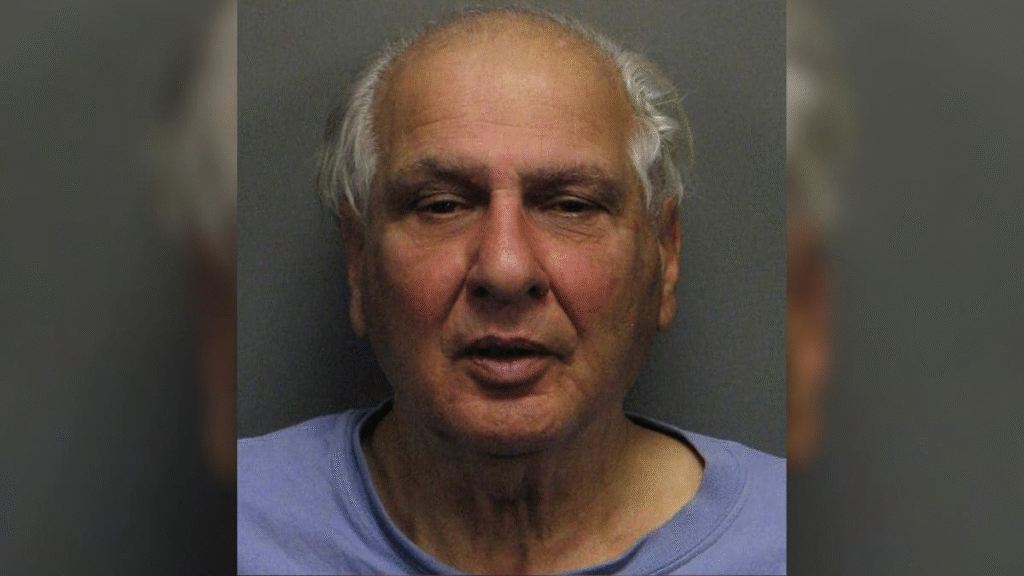
Noguera’s collaboration with cold case detective Ken Mains has linked Naso to additional unsolved murders, including those of Charlotte Cook, a 19-year-old killed in Daly City in 1974, and Lynn Ruth Connes, a 20-year-old who vanished in Berkeley in 1976 after meeting a photographer. Joseph Naso referred to Connes as the “Girl from Berkeley,” providing enough details for Mains to connect the case.
Another entry in Naso’s “List of 10” mentioned a “girl in Healdsburg,” prompting authorities to investigate a possible link to the Sonoma County Jane Doe, a headless body found in 1983 near Foss Creek. Naso’s diary also referenced a “Girl on Mt. Tam,” potentially connecting him to a 1975 murder on Mount Tamalpais. These clues, combined with Naso’s coin collection containing 26 gold heads—allegedly representing his victims—suggest a far broader scope of criminality than previously established.
Noguera’s efforts to extract confessions from Naso were strategic, including convincing him to write a letter detailing one murder by promising assistance with a prison transfer. In the letter, Naso described luring a woman from a Berkeley café, strangling her at his Oakland home, and dumping her body off the Richmond-San Rafael Bridge.
This confession, along with Noguera’s notes, has provided investigators with new leads, though Naso’s refusal to provide victims’ names complicates efforts to close these cases. If Naso’s claims are accurate, his 26 victims would rank him among the most prolific serial killers in U.S. history, surpassing figures like Ted Bundy (20 confirmed victims) and Jeffrey Dahmer (17 victims).
Implications for Justice and Cold Cases
The revelations about Naso’s potential additional victims have profound implications for law enforcement and the families of those killed. Investigators, including Mains and the San Francisco FBI office, are now revisiting cold cases in California, Nevada, and Rochester, New York, where Naso lived in the early 1970s. His possible connection to the Rochester Alphabet Murders—three killings from 1971 to 1973 involving victims with matching initials—remains under scrutiny, though no definitive evidence has been found.
The new information raises questions about whether other serial killers, like Alcala, were wrongly blamed for Naso’s crimes, potentially leading to miscarriages of justice. For families of the victims, Naso’s claims offer both hope and anguish. The identification of Charlotte Cook’s killer, for instance, resolved Daly City’s oldest active cold case, bringing closure to her daughter, Freedom, who learned of Naso’s involvement in January 2025.
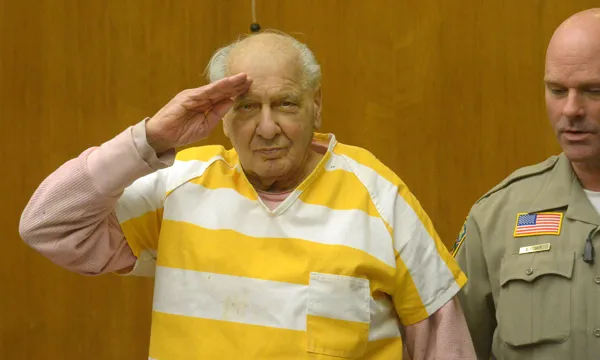
However, the lack of specific names in Naso’s confessions makes it difficult to provide answers for other families. The documentary Death Row Confidential: Secrets of a Serial Killer aims to shed light on these cases, featuring interviews with Naso, Noguera, and Mains, as well as insights from journalist Dan Noyes, who interviewed Naso in 2013. The series, airing on September 13 and 20, 2025, underscores the painstaking work of connecting Naso’s vague clues to real cases.
Naso’s case highlights the challenges of prosecuting serial killers decades after their crimes. The evidence against him—DNA, photographs, and his own writings—was overwhelming, yet he maintained his innocence throughout his trial, even accusing authorities of planting evidence. His narcissistic tendencies, evident in his meticulous documentation of his crimes, ultimately led to his downfall, but they also suggest a compulsion to retain control over his narrative.
Noguera’s descriptions of Naso’s poor hygiene and twisted personality paint a picture of a remorseless predator whose crimes may never be fully accounted for, especially given his advanced age and deteriorating health. As investigators continue to probe Naso’s claims, the possibility of identifying additional victims remains uncertain.
The “List of 10” and other evidence suggest at least six more murders beyond the four for which he was convicted, but the remaining 16 alleged victims may never be identified without further confessions or forensic breakthroughs. For now, Naso remains on death row, his fate sealed by a justice system that cannot execute him but must grapple with the scope of his atrocities. The upcoming documentary serves as a stark reminder of the enduring impact of his crimes and the tireless efforts to uncover the full truth.