

In a groundbreaking move, Sex Workers in Belgium to get comprehensive employment rights, including pensions, maternity leave, health insurance, and sick days.
This monumental step marks a significant shift in recognizing sex work as a legitimate profession, granting those involved the same rights and protections as other workers.
The new legislation represents a fundamental change in addressing the needs of sex workers, who have long operated in precarious conditions without legal protections.
This progressive law aims to empower sex workers by ensuring their rights are safeguarded, enhancing safety, and promoting dignity within their profession.
Transforming Lives: The Impact of Legal Protections
The new law’s significance is evident in the personal experiences of Belgian sex workers like Sophie, a mother of five, who worked until a week before giving birth and returned to her job immediately after a Caesarean section because she could not afford time off.
Such stories highlight the harsh realities many sex workers face, balancing demanding work with personal responsibilities in the absence of legal rights.
With the introduction of employment contracts and social security benefits, sex workers like Sophie will now have access to paid maternity leave, enabling them to prioritize their health and well-being without sacrificing income. This legal recognition also provides health insurance, ensuring they receive medical care without financial strain.
Read : Belgium: A Flourishing Tapestry of Culture, History, and Innovation
For Mel, another sex worker, the law offers a newfound sense of control and security. She recalls a harrowing incident when she felt compelled to engage in unsafe practices due to the fear of losing income.
Read : List of Countries with the Most Bald Men in 2024: Spain top the list
Under the new regulations, she can refuse any client or service without jeopardizing her livelihood. Legal protections mean that employers must adhere to specific standards, fostering safer working environments and reducing exploitation.

Victoria, a former escort and now president of the Belgian Union of Sex Workers (UTSOPI), emphasizes the broader impact of the law. She describes sex work as more than just physical acts; it involves emotional labor, companionship, and addressing societal loneliness. By formalizing their employment, the law acknowledges the multifaceted nature of sex work, validating their contributions to society.
Addressing Exploitation and Ensuring Safety
Critics of the new legislation argue that legalizing and formalizing sex work could exacerbate exploitation and human trafficking. Julia Crumière, a volunteer with the NGO Isala, contends that sex work inherently involves violence and exploitation, which legal frameworks cannot eliminate.
She highlights the harsh realities many sex workers face, particularly those who want to leave the profession but feel trapped by economic necessity.
Despite these concerns, the law includes stringent regulations for employers, aiming to prevent abuse and exploitation. Only those without a history of serious crimes can legally employ sex workers, and workplaces must implement safety measures, including alarm systems in each room. These measures aim to protect workers from violence and ensure accountability among employers.
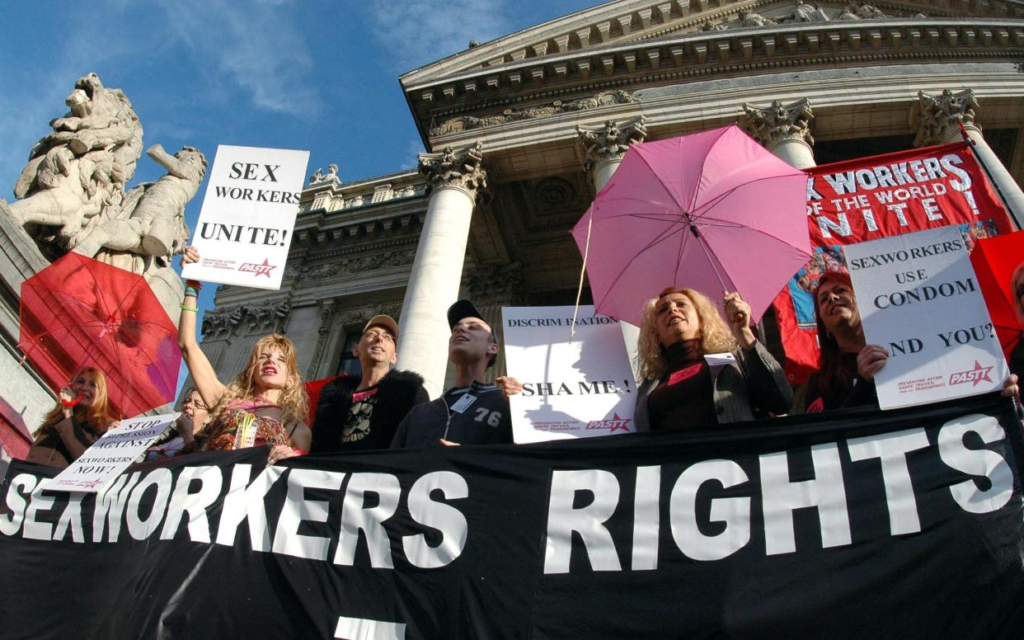
Kris Reekmans, who runs a legal massage parlor, supports the regulations, believing they will weed out bad actors and elevate industry standards. He stresses the importance of treating sex workers with respect and providing safe, dignified working conditions. By imposing strict rules on employers, the law seeks to dismantle exploitative practices and empower workers to assert their rights.
Erin Kilbride from Human Rights Watch views the legislation as a significant step toward reducing the power imbalance between employers and sex workers. By granting legal protections, the law challenges the systemic exploitation that has long characterized the industry, offering a model for other countries to follow.
A Global First: Setting a Precedent for Change
Belgium’s decision to extend employment rights to sex workers is unprecedented, setting a global benchmark for labor rights and human dignity.
In many countries, sex work remains criminalized or stigmatized, leaving workers vulnerable to exploitation and abuse. Even in countries where it is legal, such as Germany and the Netherlands, sex workers often lack the full spectrum of employment rights and protections.
The COVID-19 pandemic highlighted the vulnerabilities of sex workers, many of whom were excluded from state support and faced severe economic hardship. The protests that followed underscored the urgent need for legal recognition and social protections, culminating in the new legislation.
For many sex workers, the law represents a long-overdue acknowledgment of their humanity and contributions. It provides a framework for safer, more dignified working conditions, challenging societal perceptions of sex work and promoting greater respect for their rights.

Victoria’s experience illustrates the transformative potential of the law. She recalls the trauma of reporting a rape to the police, only to be dismissed and blamed because of her profession. The new legal framework offers sex workers recourse and protection, ensuring that their rights are upheld and their voices heard.
While the debate over the regulation of sex work remains contentious, Belgium’s approach offers a compelling model for balancing safety, dignity, and legal rights. By bringing the industry out of the shadows, the law aims to reduce stigma, enhance protections, and empower workers to advocate for their rights.
For Mel, the future looks brighter. She believes that legal recognition will reduce the power dynamics that have historically disadvantaged sex workers, fostering a safer and more equitable environment. “I am very proud that Belgium is so far ahead,” she says. “I have a future now.”
Belgium’s pioneering legislation marks a significant milestone in the global fight for sex workers’ rights. By extending employment protections, including pensions, maternity leave, and health insurance, the law challenges entrenched stigmas and promotes a more equitable, dignified future for sex workers.
While critics raise valid concerns about exploitation and violence, the comprehensive regulations aim to address these issues, setting a precedent for other countries to follow.
For sex workers like Sophie, Mel, and Victoria, the law represents more than just legal recognition—it offers hope, security, and the promise of a better future. As the world watches Belgium’s experiment unfold, the conversation about the rights and dignity of sex workers is likely to gain momentum, inspiring change and challenging perceptions worldwide.