
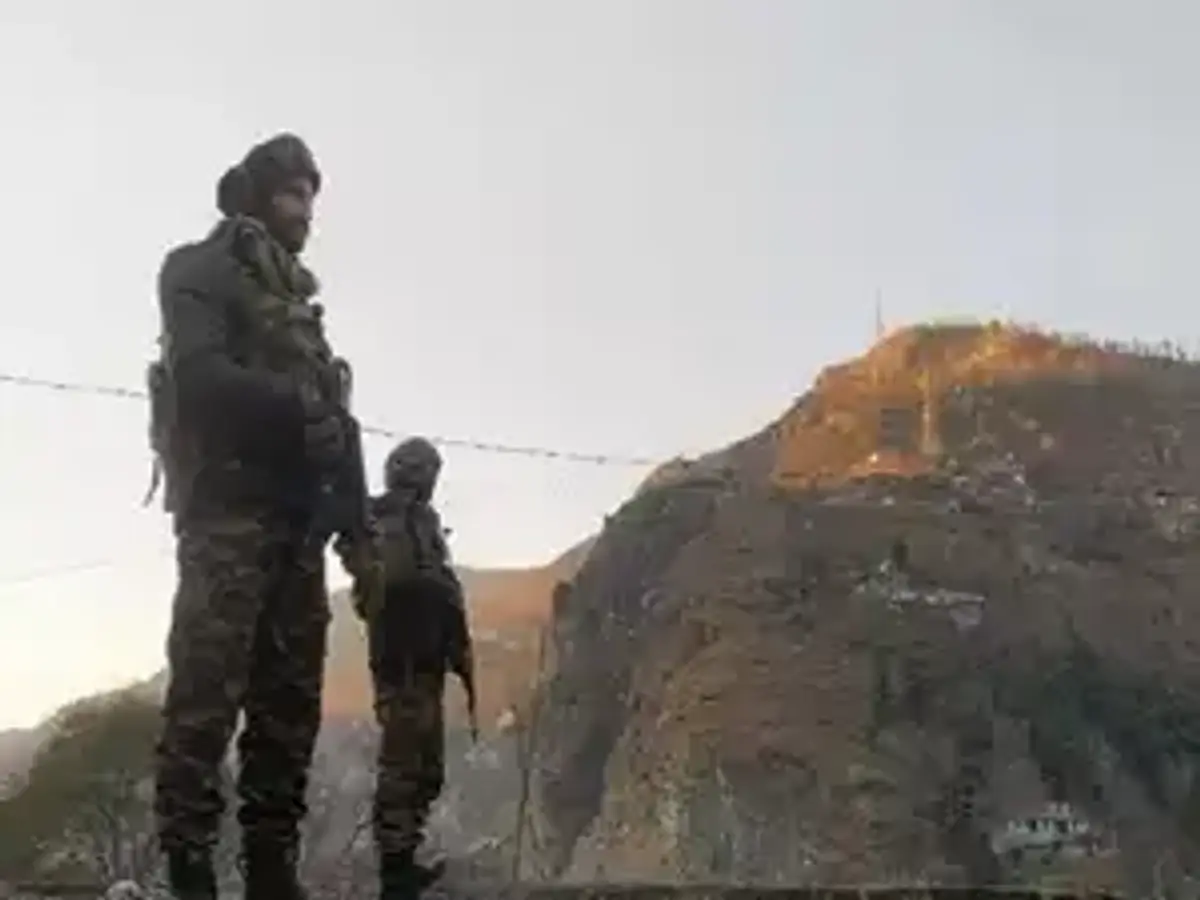
A serious national security concern has emerged following the detention of a 15-year-old boy from the Samba district of Jammu and Kashmir, accused of sharing sensitive information related to Indian Army deployments and security installations with Pakistan’s Inter-Services Intelligence and terror handlers operating from across the border. Acting on specific intelligence inputs, Punjab Police detained the minor in the Madhopur area, marking yet another case highlighting how hostile agencies are increasingly attempting to exploit young and vulnerable individuals through digital platforms.
The incident underscores the evolving nature of espionage and cross-border subversion, where technology, social media, and encrypted communication tools have become key instruments in targeting unsuspecting youth. Preliminary investigations suggest that the teenager had been in contact with Pakistan-based handlers for over a year, during which he allegedly transmitted photographs, videos, and location-based details of sensitive sites.
Law enforcement officials have described the boy as tech-savvy, raising concerns about how such skills can be manipulated by organised networks with malicious intent. The case has prompted renewed scrutiny of how minors are being drawn into intelligence-gathering activities, often without fully understanding the legal, ethical, and national security consequences of their actions.
Details of the Detention and Preliminary Findings
According to officials, the detention followed credible intelligence inputs indicating suspicious activity involving the minor. Punjab Police intercepted the boy in the Madhopur area and conducted a detailed examination of his mobile phone, which reportedly revealed contact numbers linked to anti-national elements and known terror handlers. Investigators found evidence suggesting that the boy had shared sensitive material, including images and videos related to Army locations and security installations, with individuals believed to be associated with Pakistan’s ISI and terror networks.
Senior Superintendent of Police Diljinder Singh Dhillon of Pathankot confirmed that the teenager had been in sustained contact with Pakistan-based operatives. He stated that the handlers allegedly used sophisticated techniques, including phone cloning, to extract information from the device. This revelation has raised alarm over the level of technological sophistication being deployed by hostile agencies to exploit digital vulnerabilities, particularly among minors who may lack awareness of cybersecurity risks.
Investigators also revealed that the boy was allegedly in touch with Sajid Bhatti, identified as a narco-syndicate operator based across the border. This connection has brought an additional dimension to the case, pointing towards a possible overlap between narcotics smuggling networks and terror financing operations. Security agencies have long warned that drug syndicates are increasingly being used as conduits for funding and logistical support for terror activities, particularly in border states like Punjab and Jammu and Kashmir.
#BREAKING: Pakistan ISI’s new game of using underage children in India for espionage. Pathankot Police in Punjab have arrested a 15-year-old boy for sending critical and sensitive information related to India to ISI handlers based in Pakistan for the past one year. pic.twitter.com/fzCuYYO9xY
— Aditya Raj Kaul (@AdityaRajKaul) January 5, 2026
The police have registered a case under the Official Secrets Act, 1923, citing the gravity of the alleged offences. While the accused is a minor, authorities have emphasised that the legal process will follow provisions applicable to juveniles, with due consideration to rehabilitation and reform. However, officials have also stressed that the seriousness of the allegations cannot be understated, given the potential threat posed to national security.
Exploitation of Minors by Terror and Intelligence Networks
The detention of the 15-year-old has once again brought attention to a disturbing trend: the deliberate targeting of minors by terror groups and hostile intelligence agencies. Security experts note that young individuals are often perceived as low-risk operatives who can move without arousing suspicion, making them attractive targets for recruitment. Social media platforms, online gaming communities, and encrypted messaging applications have become fertile ground for such recruitment efforts.
In many cases, initial contact is established through seemingly innocuous conversations that gradually evolve into requests for information. Minors may be lured with promises of money, gadgets, online recognition, or a sense of belonging. Over time, these interactions can escalate into demands for sensitive data, with handlers exploiting emotional manipulation, ideological indoctrination, or even coercion.
Read : Truth Behind Viral Video Of Chinese Man Offering Cigarettes To Burqa-Clad Women In Pakistan
Officials involved in the current investigation have indicated that several other children may have also fallen into similar traps. The police are now working to identify and reach out to these youngsters, aiming to prevent further exploitation. This proactive approach reflects a growing recognition that counter-terrorism efforts must extend beyond arrests and prosecutions to include community outreach, digital literacy, and early intervention.
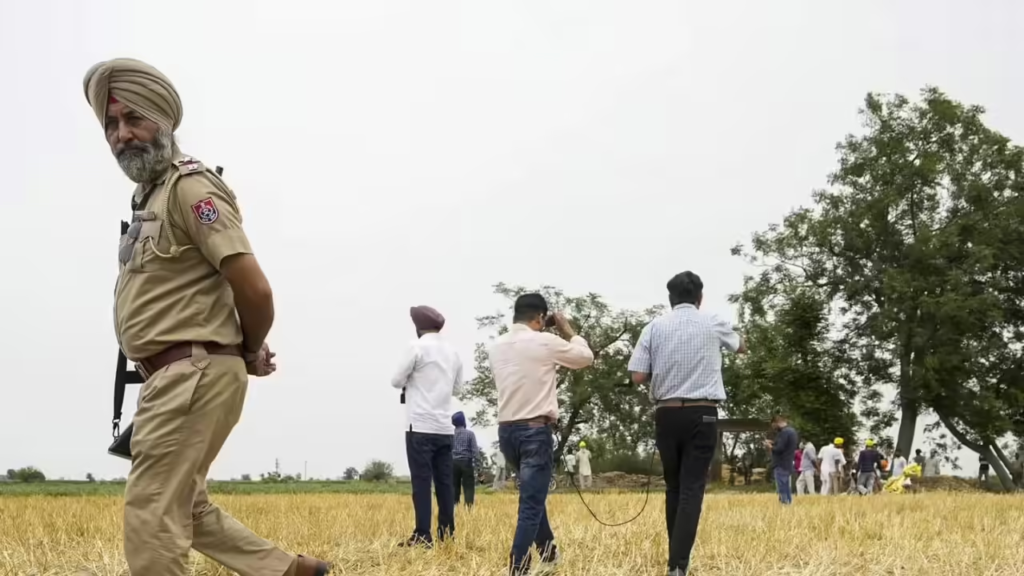
The role of technology in such cases cannot be ignored. With smartphones becoming ubiquitous, even in remote areas, minors have unprecedented access to information and communication tools. While this connectivity offers educational and social benefits, it also exposes young users to risks from malicious actors. Security agencies have repeatedly cautioned parents and educators to remain vigilant about online interactions and to encourage open communication with children about digital safety.
Experts also point out that minors may not fully comprehend the implications of sharing certain types of information. A photograph taken casually or a video shared without much thought can, in the wrong hands, provide valuable intelligence about troop movements, infrastructure layouts, or security protocols. This lack of awareness makes minors particularly vulnerable to exploitation.
National Security Implications and the Way Forward
The case has broader implications for India’s internal security landscape, especially in sensitive regions like Jammu and Kashmir and border areas of Punjab. It highlights how traditional notions of espionage have evolved, with hostile actors leveraging everyday technology and targeting individuals far removed from conventional intelligence circles. The involvement of a minor in such activities underscores the need for a multi-layered response that combines law enforcement, intelligence gathering, education, and community engagement.
Read : Who Is Viraansh Bhanushali, the Viral Oxford Student Who Slammed Pakistan in a Fiery Debate?
Senior police officials have warned that had the boy not been intercepted in time, he could have been drawn into more serious activities, posing a greater threat to national security. This assessment reflects concerns that initial acts of information-sharing can serve as a gateway to deeper involvement, including logistical support, recruitment of others, or participation in violent activities.

Authorities have reiterated the importance of awareness campaigns aimed at educating young people about the dangers of online manipulation and the severe legal consequences of engaging in anti-national activities. Schools, parents, and community leaders are being urged to play an active role in monitoring digital behaviour and fostering an environment where children feel comfortable reporting suspicious contacts.
At the policy level, the incident reinforces calls for stronger cybersecurity measures and closer coordination between state and central agencies. Intelligence-sharing mechanisms, digital surveillance capabilities, and cross-border cooperation remain critical components of India’s counter-espionage strategy. At the same time, there is a growing recognition that punitive measures alone are insufficient when dealing with minors. Rehabilitation, counselling, and reintegration into society are essential to prevent recidivism and to address the underlying factors that make young individuals susceptible to exploitation.
The case also exposes Pakistan’s continued attempts to destabilise India through covert means, including the indoctrination and exploitation of young minds. Indian authorities have consistently accused Pakistan’s ISI of sponsoring terror activities and espionage operations aimed at undermining national security. This incident adds to a long list of allegations, further straining already tense bilateral relations.
As investigations continue, security agencies are expected to examine the full extent of the network involved, including the handlers, intermediaries, and any local facilitators. The focus will not only be on accountability but also on prevention, ensuring that similar attempts are identified and neutralised at an early stage. The detention of the minor serves as a stark reminder that in an age of digital warfare, safeguarding national security requires vigilance at every level of society, from government institutions to individual households.
W500casino is pretty alright if you ask me. I found it through a friend and I’ve had some cool games, recommend it as a way to relax w500casino.
Hey there
I wanted to reach out and let you know about our new dog harness. It’s really easy to put on and take off – in just 2 seconds – and it’s personalized for each dog.
Plus, we offer a lifetime warranty so you can be sure your pet is always safe and stylish.
We’ve had a lot of success with it so far and I think your dog would love it.
Get yours today with 50% OFF: https://caredogbest.com
FREE Shipping – TODAY ONLY!
Cheers,
Hanna
**mitolyn official**
Mitolyn is a carefully developed, plant-based formula created to help support metabolic efficiency and encourage healthy, lasting weight management.