
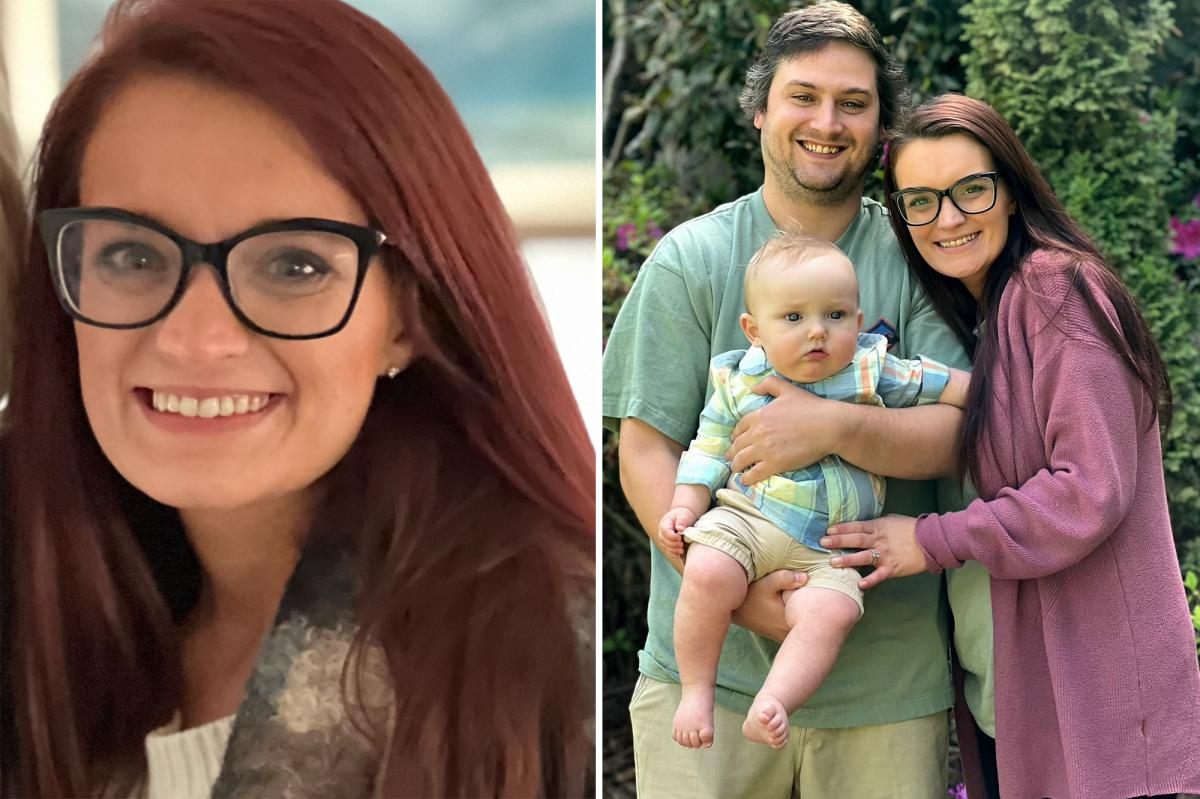
The fatal shooting of 29-year-old Shelby Amidon in Alabama has drawn attention to the devastating consequences of stalking and domestic-targeted violence. In the early hours of a Thursday morning, what should have been a safe home environment turned into the scene of a tragic and irreversible crime. Shelby Amidon, a married mother who was expecting her second child, was shot by a man authorities later identified as her stalker.
The incident not only claimed her life but also left behind a grieving family, including her husband and young son, while ending with the suspect taking his own life during a police manhunt. The case underscores the dangers of persistent stalking behavior and the speed at which such threats can escalate into fatal outcomes.
A Targeted Attack That Turned Fatal
According to law enforcement accounts, the incident occurred at Shelby Amidon’s home in the city of Warrior, Alabama. In a chilling detail, she was able to identify her attacker during a 911 call after being shot, indicating that she was aware of the ongoing threat he posed. Reports suggest that the suspect, Ricky O’Neil Beck Jr., had been stalking her for some time prior to the attack, though the exact nature of their relationship or how they became acquainted remains unclear.
The fact that Shelby Amidon reportedly recognized her assailant immediately highlights a pattern often seen in stalking cases, where victims live under prolonged fear before violence occurs. Stalking frequently involves repeated, unwanted attention that escalates over time, sometimes culminating in physical harm. In this case, the escalation proved deadly. The attack took place in what should have been a place of safety—her own home—making the incident even more disturbing.
Shelby Amidon’s condition at the time adds another layer of tragedy. She was pregnant with her second child, a period typically marked by anticipation and preparation for new life. Instead, her family was confronted with sudden loss. Her ability to contact emergency services and name her attacker shows both awareness and courage, but it was ultimately not enough to prevent the fatal outcome.
Manhunt and the Suspect’s Death
After the shooting, Beck fled the scene, prompting an immediate response from local law enforcement agencies. Authorities issued an alert describing his vehicle, a Chevrolet Z71 with a distinctive silver toolbox, as they attempted to track his movements. The situation quickly escalated into a broader manhunt involving multiple officers and agencies.
During the pursuit, a significant confrontation occurred when Beck allegedly rammed a patrol vehicle belonging to a Blount County sheriff’s deputy. Reports indicate that he displayed a firearm during this encounter, leading the deputy to open fire. Despite this, Beck managed to escape temporarily, prolonging the search and increasing concern about public safety.

The manhunt concluded later that same day when Beck’s body was discovered in a wooded area. Authorities stated that he appeared to have died from a self-inflicted gunshot wound. This development officially turned the case into a murder-suicide, closing the immediate search but leaving many questions unanswered. Investigators continue to examine the sequence of events, including how Beck was able to approach the victim and carry out the attack despite the apparent history of stalking.
Cases like this often reveal gaps in prevention measures, particularly when stalking behavior has been ongoing. While it is not yet fully clear what prior actions were taken or reported, the outcome emphasizes how difficult it can be to intervene effectively before violence occurs. The suspect’s death also means that many details about his motives and actions may never be fully understood.
A Family Left Behind and a Community in Mourning
Beyond the law enforcement response and investigation, the human impact of the tragedy remains at the forefront. Shelby Amidon leaves behind her husband, Nick, and their young son, along with extended family members who now face the challenge of coping with sudden and profound loss. The fact that she was expecting another child deepens the emotional toll, as the family mourns not just one life but the future that was taken away.
Read : The Startling Phenomenon: Dozens of Rivers in Alaska Turning Yellow
A fundraising effort organized by family members reflects both the immediate needs and the broader community response. Contributions quickly approached their target, indicating widespread sympathy and support. Messages shared alongside the fundraiser describe Shelby Amidon as a person who brought warmth and positivity to those around her, painting a picture of a life that had a meaningful impact on others.
Community reactions to such incidents often include both grief and frustration. There is sorrow for the victim and her family, but also concern about how such a situation was allowed to escalate to a fatal level. Stalking cases frequently involve warning signs, and tragedies like this raise questions about awareness, reporting mechanisms, and protective measures available to victims.
The broader issue of stalking remains a significant concern, with many victims experiencing ongoing harassment that can lead to fear, anxiety, and in some cases, violence. This case illustrates the most extreme outcome of that pattern. It also serves as a reminder of the importance of early intervention, community awareness, and accessible support systems for those who feel threatened.
As the investigation continues, authorities are expected to piece together more details about the timeline and circumstances leading up to the shooting. However, for Shelby Amidon’s family, the focus remains on mourning and rebuilding in the aftermath of loss. The tragedy has left a lasting impact not only on those who knew her personally but also on the wider community, which must now grapple with the reality of what occurred and consider how similar incidents might be prevented in the future.