
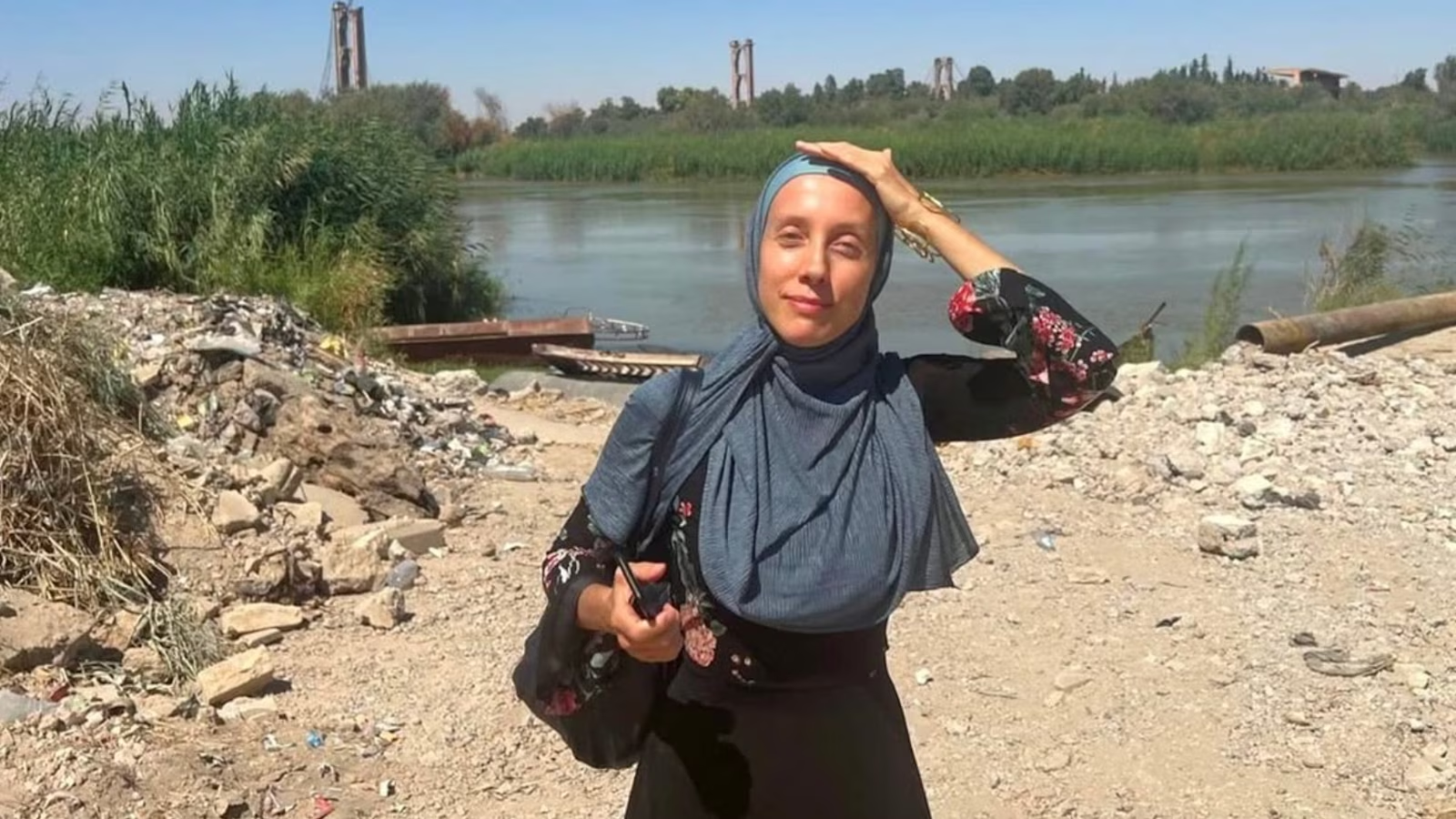
The kidnapping of American freelance journalist Shelly Kittleson in Baghdad has drawn international attention, raising concerns about the safety of reporters operating in conflict zones and the persistent risks posed by armed groups in Iraq. The incident unfolded in the Iraqi capital, where Kittleson was reportedly abducted near a hotel in the city center. Authorities quickly launched a response, leading to a pursuit that resulted in the arrest of one suspect, while efforts continue to locate the remaining perpetrators and secure her safe release.
The case has also highlighted warnings that had been issued to her prior to the abduction, suggesting that the threat environment surrounding her reporting work was known but perhaps underestimated. As developments continue, questions about her background, career, and the circumstances leading up to her kidnapping have come into sharper focus.
A Career Built in Conflict Zones
Shelly Kittleson is known as a freelance journalist with extensive experience covering some of the world’s most volatile regions. Based in Rome, she has spent years reporting from countries affected by conflict and political instability, including Iraq, Afghanistan, and Syria. Her work has focused on complex geopolitical developments, security issues, and the lived realities of people in war-torn areas. Through her reporting, she has contributed to a deeper understanding of regions that are often difficult to access and even harder to interpret from afar.
As a freelancer, Kittleson has contributed to multiple international publications, building a reputation for in-depth, on-the-ground reporting. Freelance journalists often operate without the institutional protections afforded to staff reporters, making their work both essential and inherently risky. They frequently rely on local contacts, personal networks, and their own judgment to navigate dangerous environments.
This independence allows for unique and nuanced storytelling, but it also exposes them to heightened threats, particularly in areas where armed groups or militias exert influence. Kittleson’s reporting history reflects a consistent focus on regions where security conditions are fragile and unpredictable. Covering conflicts requires not only journalistic skill but also an understanding of local dynamics, cultural sensitivities, and the shifting allegiances of various actors.
Read : Court Orders ICE to Justify Arrest of Nashville Journalist Estefany Maria Rodríguez Florez
Her work suggests a commitment to documenting realities that are often overlooked, even as those realities carry significant personal risk. Over time, journalists like Kittleson become familiar with the dangers inherent in their profession, but familiarity does not eliminate vulnerability, especially in environments where targeted threats may emerge.
Warnings, Threats, and the Events Leading to the Kidnapping
In the days leading up to her abduction, Kittleson had reportedly received multiple warnings from US officials regarding potential threats to her safety. These warnings included specific intelligence suggesting that Iran-backed paramilitary groups might be targeting journalists, particularly women. According to sources familiar with the situation, her name was believed to be on a list held by such a group, raising the level of concern about her presence in Iraq.
Despite these warnings, it appears that Kittleson continued her work, possibly believing that the threat information was not credible or was exaggerated. This highlights a difficult reality faced by journalists in conflict zones: assessing the reliability of threat intelligence while balancing professional responsibilities. In many cases, reporters must make judgment calls based on incomplete or ambiguous information, often under pressure to continue their work.
Baghdad, Iraq – merican freelance journalist Shelly Kittleson was kidnapped in central Baghdad on Tuesday evening, Iraq’s Interior Ministry has confirmed. Kittleson, a longtime correspondent who has contributed to Al-Monitor and other outlets, was abducted on a busy street in the… pic.twitter.com/Mlwv3A4qh2
— NextMinute News (@nextminutenews7) April 1, 2026
The kidnapping itself occurred on a Tuesday evening near a hotel in central Baghdad. Iraqi security forces responded quickly, launching an operation based on intelligence about the abductors’ movements. During the pursuit, one of the vehicles used by the kidnappers overturned, leading to the arrest of a suspect. Authorities later indicated that the detained individual had connections to an Iran-aligned militia group, though official statements stopped short of fully identifying the perpetrators. The involvement of such groups, if confirmed, would underscore the ongoing influence of non-state actors in Iraq’s security landscape.
The situation also brought attention to the coordination between Iraqi authorities and US agencies. Reports indicate that multiple entities, including federal law enforcement and security agencies, have been in contact regarding efforts to secure Kittleson’s release. This level of coordination reflects the seriousness of the incident and the potential geopolitical implications, particularly given the suspected involvement of militia groups with regional affiliations.
The Broader Context: Journalist Safety in Iraq
While Iraq has seen improvements in its overall security situation compared to earlier years, the risk of kidnapping and targeted violence has not been completely eliminated. Baghdad, once known for frequent abductions during periods of intense conflict, has become relatively more stable, but incidents like this demonstrate that threats persist, especially for individuals perceived as high-value targets.
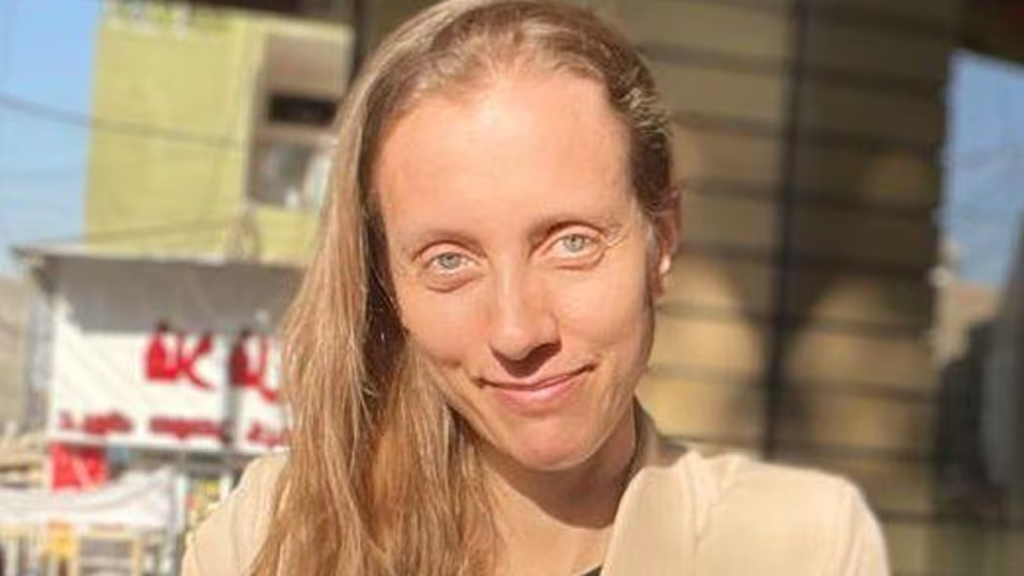
Journalists working in Iraq face a unique set of challenges. In addition to general security risks, they may be targeted for their reporting, their nationality, or their perceived affiliations. Freelancers, in particular, often lack the protective infrastructure that larger media organizations can provide, making them more vulnerable to threats from armed groups. The targeting of journalists can also serve broader purposes for such groups, including gaining leverage, sending political messages, or deterring coverage of sensitive issues.
The reported involvement of an Iran-backed militia adds another layer of complexity to the situation. Such groups operate within a broader network of regional alliances and conflicts, and their actions can have implications beyond national borders. The suggestion that journalists, especially women, may be specifically targeted raises additional concerns about the intersection of gender and security in conflict reporting.
Kittleson’s case also highlights the importance of threat awareness and risk assessment for journalists operating in dangerous environments. While warnings from government agencies can provide valuable information, they do not always lead to clear decisions. Journalists must weigh the credibility of threats against their professional commitments, often without the benefit of complete information. This balancing act is a defining aspect of conflict reporting, but it also underscores the need for robust support systems and clear communication between journalists and those providing security guidance.
As efforts to secure her release continue, the incident serves as a reminder of the ongoing dangers faced by journalists worldwide. It also raises broader questions about how the international community can better protect those who risk their lives to report from conflict zones. The outcome of this case will likely influence future discussions about journalist safety, particularly in regions where state and non-state actors coexist in complex and often unpredictable ways.