
Japan’s 80th anniversary of its World War II defeat was marked by solemn remembrance ceremonies, political gestures, and renewed diplomatic friction with its neighbors. Across the nation, memorial services were held to honor the millions who lost their lives during one of the darkest chapters of human history.
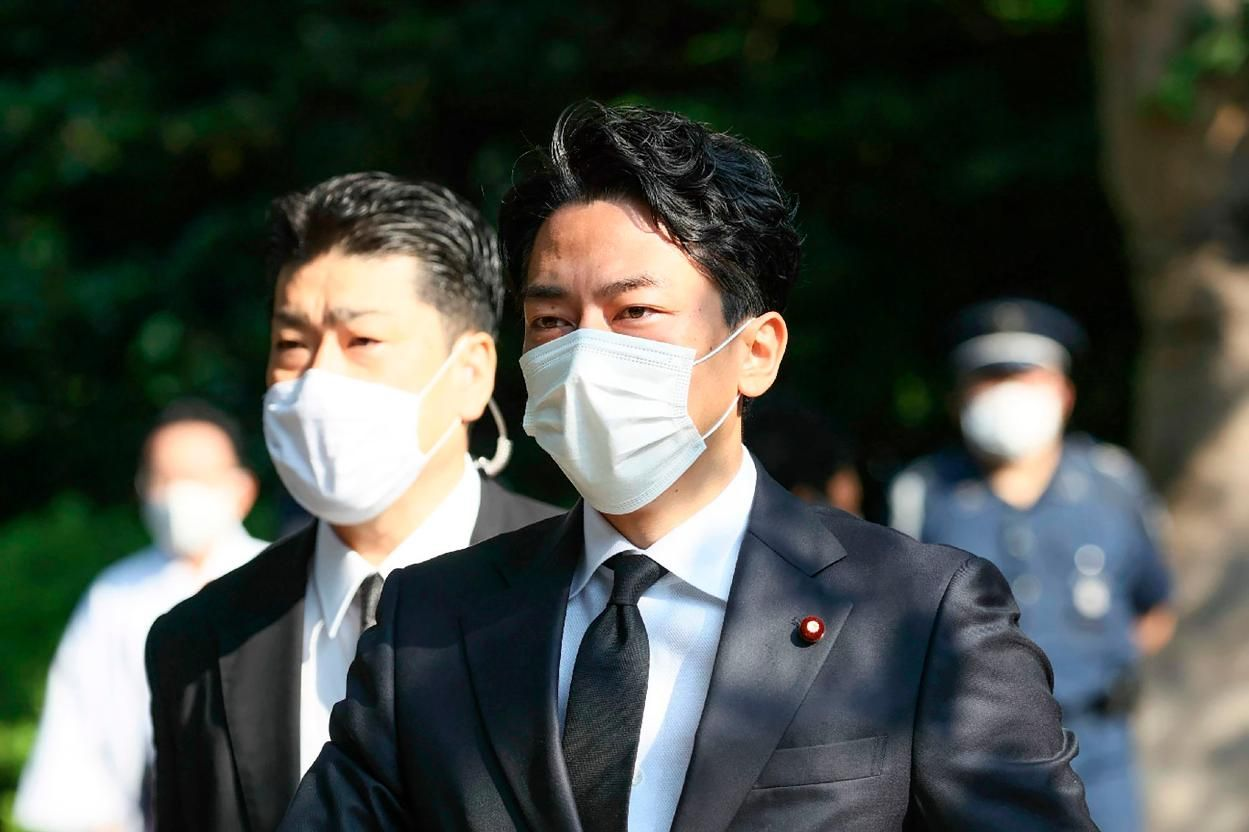
In Tokyo, thousands of visitors gathered at the Yasukuni Shrine, a place long steeped in both reverence and controversy. Among them was Agriculture Minister Shinchiro Koizumi, whose decision to attend the commemorations at the shrine drew national attention and international criticism.
His visit not only reignited longstanding historical grievances with countries like China and South Korea but also highlighted the delicate balance Japanese leaders must strike between domestic expectations of honoring war dead and the diplomatic consequences such acts provoke abroad.
While the anniversary was meant to be a day of reflection and mourning, Koizumi’s presence at Yasukuni transformed it into a moment of political symbolism, underscoring how unresolved wartime memories continue to shape East Asia’s present-day politics.
Yasukuni Shrine: A Symbol of Memory and Division
The Yasukuni Shrine in Tokyo is one of Japan’s most contested sites of remembrance. Established in 1869, it enshrines the souls of roughly 2.5 million individuals who died in service of Japan. Among them are soldiers, ordinary citizens, and wartime leaders. However, what makes the shrine a lightning rod for criticism is the inclusion of 14 wartime leaders convicted of Class-A war crimes and over 1,000 others found guilty by Allied tribunals after Japan’s surrender in 1945.
For Japan, the shrine is a solemn place to pray for peace and reflect on the immense sacrifices of war. Supporters argue that it honors all who perished, regardless of their role or rank, and provides a space for families to remember their loved ones. Ceremonies at the shrine often include the symbolic release of white doves, a gesture representing peace and reconciliation.
Yet for countries such as China and South Korea, Yasukuni stands as a stark reminder of Japan’s wartime aggression. They view official visits as an attempt to whitewash history, disregarding the atrocities committed across Asia during Japan’s imperial expansion. Whenever senior Japanese politicians pay respects at the shrine, diplomatic tensions flare, fueling accusations that Tokyo has not fully confronted its wartime past.
Kawai Yusuke & his Yamato Japan Party offered a 1 minute of silence to pay respects to the war dead of Yasukuni Shrine. pic.twitter.com/ORq6n2Er4U
— 🇯🇵 Colonel Otaku Gatekeeper 🇯🇵 (@politicalawake) August 15, 2025
This controversy lies at the heart of the criticism against Shinchiro Koizumi’s recent visit. While his supporters frame it as a personal act of remembrance, regional critics interpret it as a political statement that complicates reconciliation efforts in East Asia.
Political Undertones and Regional Reactions
Shinchiro Koizumi’s presence at Yasukuni carried weight not only because of his ministerial position but also because of his political aspirations. Koizumi, who ran in the ruling Liberal Democratic Party’s (LDP) leadership race last year, remains a prominent contender in Japanese politics. His appearance at the shrine alongside Takayuki Kobayashi, a former economic security minister and fellow leadership hopeful, signals a calculated move to appeal to conservative voters who hold nationalistic sentiments.
The timing of his visit—on the 80th anniversary of Japan’s World War II defeat—added further symbolism. While Prime Minister Shigeru Ishiba refrained from attending in person, he sent an offering, a gesture that itself has sparked diplomatic criticism in the past. His decision to avoid a personal visit reflects the delicate balancing act Japanese leaders must perform: acknowledging domestic calls for honoring the war dead while avoiding overt actions that could inflame regional tensions.
Read : Lady Liberty’s Mural with Face Hidden in Shame Unveiled in France
China and South Korea swiftly criticized the visit, consistent with their longstanding opposition to Japanese officials’ presence at Yasukuni. For Beijing, such gestures undermine efforts to build trust and are seen as a failure to acknowledge Japan’s wartime aggression in China. For Seoul, the visit revives memories of colonization and suffering endured by Koreans during Japan’s occupation.
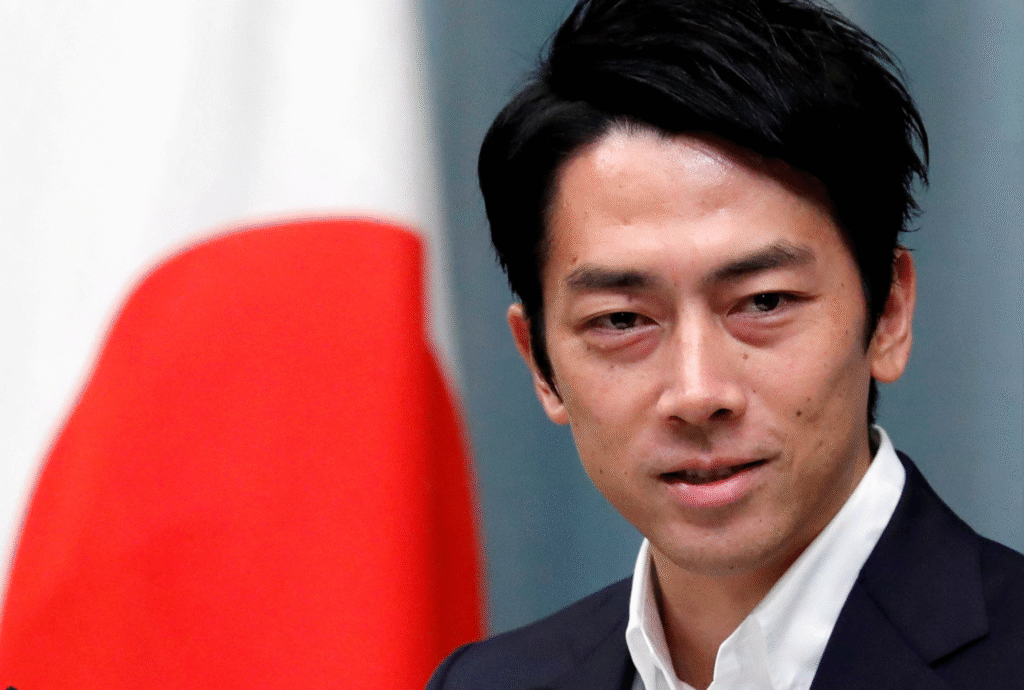
This diplomatic unease comes at a crucial moment. Prime Minister Ishiba is scheduled to meet South Korean President Lee Jae Myung later in August to discuss regional security and trilateral cooperation with the United States. The controversy surrounding Yasukuni could cast a shadow over these discussions, even as both nations recognize the need to strengthen ties in the face of shared challenges, particularly North Korea’s nuclear threat and China’s growing regional influence.
The United States, while less vocal than Asian neighbors, has historically expressed disappointment over Japanese leaders’ shrine visits. When Shinzo Abe visited Yasukuni in December 2013, then-President Barack Obama’s administration conveyed its disapproval, underscoring Washington’s concerns about the impact on regional stability. Given the current geopolitical climate, U.S. officials are likely to be watching closely, especially as they seek unity among allies in the Indo-Pacific.
Domestic Politics, Far-Right Influence, and Future Implications
Koizumi’s visit also highlights the shifting dynamics within Japan’s domestic political landscape. The far-right Sanseito Party, which promotes a “Japanese First” agenda, announced that as many as 60 of its national and local politicians would attend Yasukuni this year. Known for its opposition to immigration and its emphasis on preserving Japanese cultural identity, Sanseito has been gaining momentum. In the July upper house election, it won 13 new seats, a result that signaled growing voter interest in its nationalist platform.
This rise poses challenges for the ruling LDP, which has traditionally balanced conservative nationalism with pragmatic diplomacy. If more voters gravitate toward hardline stances, LDP leaders may face pressure to adopt stronger nationalistic positions, including more frequent Yasukuni visits or reinterpretations of Japan’s wartime legacy. For politicians like Koizumi, aligning with such sentiments could provide short-term electoral gains but risk long-term diplomatic fallout.
The shadow of history looms heavily over Japanese politics. Junichiro Koizumi, Shinchiro’s father and former prime minister, was the last leader to visit Yasukuni on the anniversary of Japan’s surrender in 2006. His actions drew criticism abroad but also bolstered his standing among nationalist supporters at home. The younger Koizumi’s visit inevitably invites comparisons and raises questions about whether he seeks to follow in his father’s footsteps.
At the same time, Japan’s broader foreign policy increasingly prioritizes security cooperation with the United States and South Korea. The threats posed by a nuclear-armed North Korea and the strategic assertiveness of China require closer trilateral coordination. Any action that undermines trust between Tokyo and Seoul, therefore, risks weakening a critical alliance structure in the Indo-Pacific. This tension between domestic political maneuvering and regional diplomacy is at the core of the Yasukuni controversy.
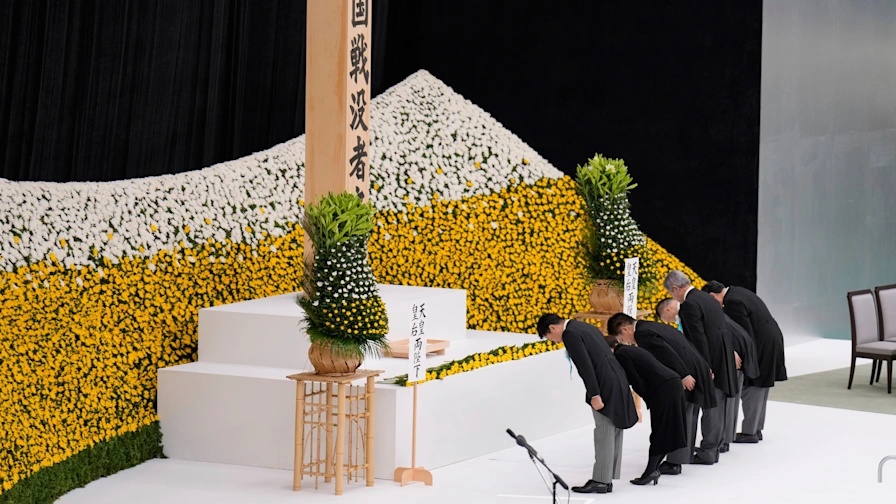
Looking ahead, Prime Minister Ishiba will need to carefully manage these competing pressures. His offering to the shrine was already criticized by neighbors, and his upcoming meeting with President Lee Jae Myung will test whether the two nations can compartmentalize historical disputes to focus on present-day security needs. If leaders fail to strike this balance, the Yasukuni issue may continue to resurface as a stumbling block in Japan’s regional relations.
For Shinchiro Koizumi, the visit may bolster his credentials among nationalist conservatives, but it also risks alienating moderate voters and deepening international criticism. Whether this gamble pays off in his political career will depend on how the LDP positions itself in the coming years, particularly as far-right parties gain influence and regional security challenges mount.
The 80th anniversary of Japan’s World War II defeat was meant to be a solemn occasion of remembrance and reflection. Instead, it has once again exposed the enduring fractures between memory, politics, and diplomacy in East Asia. Shinchiro Koizumi’s visit to the Yasukuni Shrine was more than a personal act of respect; it was a politically charged gesture that reverberated across borders.
For Japan, the Yasukuni controversy illustrates the difficulty of honoring its war dead while confronting the darker chapters of its history. For China and South Korea, it is a reminder that the past remains unresolved. For the United States, it is a potential obstacle to regional unity at a time when cooperation is more vital than ever.
As Japan navigates its domestic political shifts and regional responsibilities, the Yasukuni Shrine will likely remain a symbol of both remembrance and division. Whether future leaders can find a path toward reconciliation without igniting controversy will shape not only Japan’s politics but also the broader stability of Northeast Asia.
I just wanted to express my gratitude for the valuable insights you provide through your blog. Your expertise shines through in every word, and I’m grateful for the opportunity to learn from you.