

The viral altercation at Hazie’s, a San Francisco bar, has drawn national attention not only for the dramatic footage circulated on social media but also for the professional consequences that followed for those involved. At the center of the incident is Shireen Afkari, identified by police as an employee of the fitness app company Strava at the time, whose conduct during a late-night confrontation with bar staff sparked widespread debate about workplace accountability, public behavior, and the reach of viral video culture. As the bartender involved, Miguel Marchese, was later fired by his employer for being deemed an “insurance risk,” Afkari herself also faced significant fallout, including arrest and termination from her job.
Professional Background and Public Identification
Shireen Afkari was publicly identified after the incident by law enforcement as an employee of Strava, a widely used fitness tracking and social networking application headquartered in San Francisco. Prior to the viral video, Afkari maintained a relatively low public profile, with no widespread media coverage or public notoriety attached to her name. Her professional identity, however, quickly became a focal point once her employer was named in reports and social media commentary following the altercation.
Strava is known for cultivating a brand image centered on community, wellness, and positive engagement among athletes and fitness enthusiasts. When Afkari’s involvement in a physical confrontation surfaced online, it immediately raised questions about how personal conduct outside the workplace reflects on corporate culture and values. As is often the case in viral incidents, public attention rapidly shifted from the event itself to the institutions connected to those involved, placing Strava under pressure to respond.
According to subsequent reports, Strava terminated Afkari’s employment after the incident. In a public statement, the company emphasized that it does not condone violence of any kind and said the behavior seen in the video did not align with the standards expected of its employees. While Strava did not provide detailed commentary on Afkari’s role or employment history, the decision underscored how quickly professional consequences can follow public incidents in the digital age.
Afkari’s identification as a Strava employee also contributed to the scale of the story’s reach. What might otherwise have remained a local bar dispute instead became a national talking point, amplified by the involvement of recognizable corporate brands and the speed with which video clips circulated across platforms.
The Hazie’s Altercation and Viral Video
The incident that brought Shireen Afkari into the public eye occurred on December 13 at Hazie’s, a bar in San Francisco. According to multiple reports, Afkari was intoxicated and became confrontational after staff refused to continue serving her alcohol. Video footage from inside the bar shows her yelling at employees while recording the interaction on her phone, accompanied by a man who followed her around the establishment.
As the situation escalated, Afkari was seen slapping individuals who attempted to record her behavior, prompting a forceful response from bar staff. One Hazie’s worker slammed her to the ground inside the establishment, after which the altercation intensified. Additional staff and patrons intervened, and Afkari’s male companion was eventually dragged out of the bar by two men. Afkari herself was carried outside by bartender Miguel Marchese.
San Francisco – On December 13, 2025, an intoxicated woman, Shireen Afkari, and her companion caused a chaotic disturbance at Hazie’s restaurant in San Francisco’s Hayes Valley after being cut off from alcohol service for rude behavior.
— GrindFace TV (Entertainment) (@grindfacetv) December 18, 2025
Afkari verbally abused and physically… pic.twitter.com/q8Ek0IoLz3
Once outside, the confrontation did not immediately end. Video footage shows Afkari grabbing Marchese by the hair and refusing to release him. During the struggle, Marchese threw her phone into the street and attempted to return inside the bar. Afkari then pursued him, at which point Marchese extended his foot, causing her to trip and fall onto the pavement. The moment was captured on video and quickly became one of the most widely shared clips from the incident.
Marchese later addressed the encounter in an Instagram post, claiming that Afkari tripped over his leg accidentally as she chased after him. His description of events, which included graphic language, further fueled online debate and scrutiny. Meanwhile, the footage itself prompted polarized reactions, with some viewers expressing sympathy for bar staff dealing with an aggressive patron and others questioning the level of force used in response.
The visual nature of the incident, combined with the involvement of identifiable individuals and employers, transformed the altercation into a viral flashpoint. Afkari’s actions inside and outside the bar became a central focus of commentary, often detached from the broader context of alcohol-related disturbances that service workers routinely face.
Legal and Professional Aftermath
In the immediate aftermath of the Hazie’s incident, Shireen Afkari was arrested and detained for public intoxication, according to NBC Bay Area. No further criminal charges were widely reported, but the arrest itself added another layer of seriousness to the episode. Law enforcement identification confirmed her role in the disturbance and contributed to the official record that followed the viral footage.
Read : 50-Year-Old Roseita Lavette Smith Shot Son Outside Red Rooster Restaurant for Being Disrespectful
Professionally, Afkari’s termination from Strava marked a decisive response from her employer. The company’s public statement sought to distance itself from the incident while reaffirming its internal standards of conduct. For Afkari, the loss of her job represented a significant personal consequence tied directly to an event that unfolded outside the workplace but was made public through viral media.
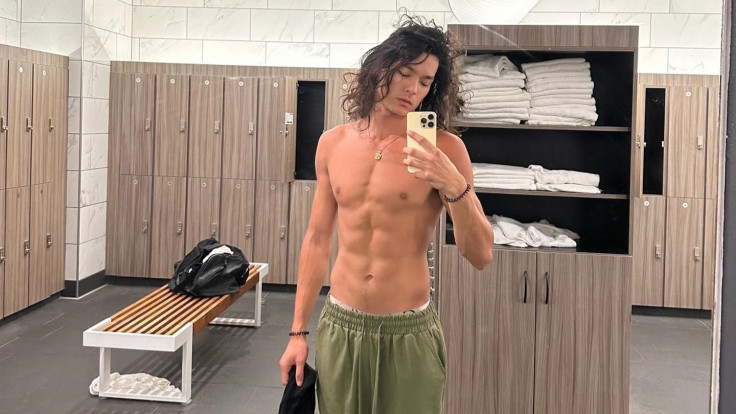
At the same time, attention also turned to Miguel Marchese, the bartender involved in tripping Afkari outside the bar. Although some online observers initially viewed his actions as defensive, Hazie’s management ultimately fired him weeks later. According to reports from Gazetteer SF, Marchese was dismissed via email after being deemed an “insurance risk.” He was reportedly offered a $5,000 severance package on the condition that he sign a non-disclosure agreement and agree not to sue the restaurant.
Marchese’s firing complicated the narrative, highlighting how both parties involved in the altercation faced repercussions, albeit of different kinds. While Afkari dealt with arrest and termination from a corporate employer, Marchese faced job loss within the hospitality industry despite claims that he was responding to an ongoing assault. The parallel outcomes underscored the challenges businesses face in balancing employee safety, liability concerns, and public perception.
The broader conversation sparked by the incident has touched on several issues, including how viral videos influence disciplinary decisions, the expectations placed on employees outside working hours, and the extent to which employers should be held accountable for the off-duty behavior of their staff. In Afkari’s case, the combination of public intoxication, physical confrontation, and widespread online attention left little room for her employer to remain silent.
As the story continues to circulate, Shireen Afkari’s name has become closely associated with a single night and its aftermath. The incident serves as a stark example of how quickly private actions can become public events, reshaping personal and professional trajectories in lasting ways.
A formidable share, I just given this onto a colleague who was doing a little bit analysis on this. And he in truth purchased me breakfast as a result of I discovered it for him.. smile. So let me reword that: Thnx for the deal with! But yeah Thnkx for spending the time to discuss this, I feel strongly about it and love reading extra on this topic. If possible, as you develop into experience, would you thoughts updating your weblog with extra details? It is highly useful for me. Large thumb up for this weblog put up!
There are some attention-grabbing deadlines on this article however I don’t know if I see all of them heart to heart. There’s some validity however I’ll take hold opinion till I look into it further. Good article , thanks and we would like extra! Added to FeedBurner as well
References:
Blackjack band
References:
https://md.un-hack-bar.de/s/GKXYig_lUo
References:
Dbol stack for sale
References:
http://103.248.30.24:3000/malloryherrick
I saw a lot of website but I think this one has got something special in it in it
References:
Sunland park casino
References:
https://www.pradaan.org/members/deletepruner5/activity/818243/
References:
Anabolic workout supplements
References:
https://foerderschule-strausberg.de/Schulalltag/index.php/;focus=STRATP_com_cm4all_wdn_Flatpress_18265934&path=?x=entry:entry221024-121609%3Bcomments:1