
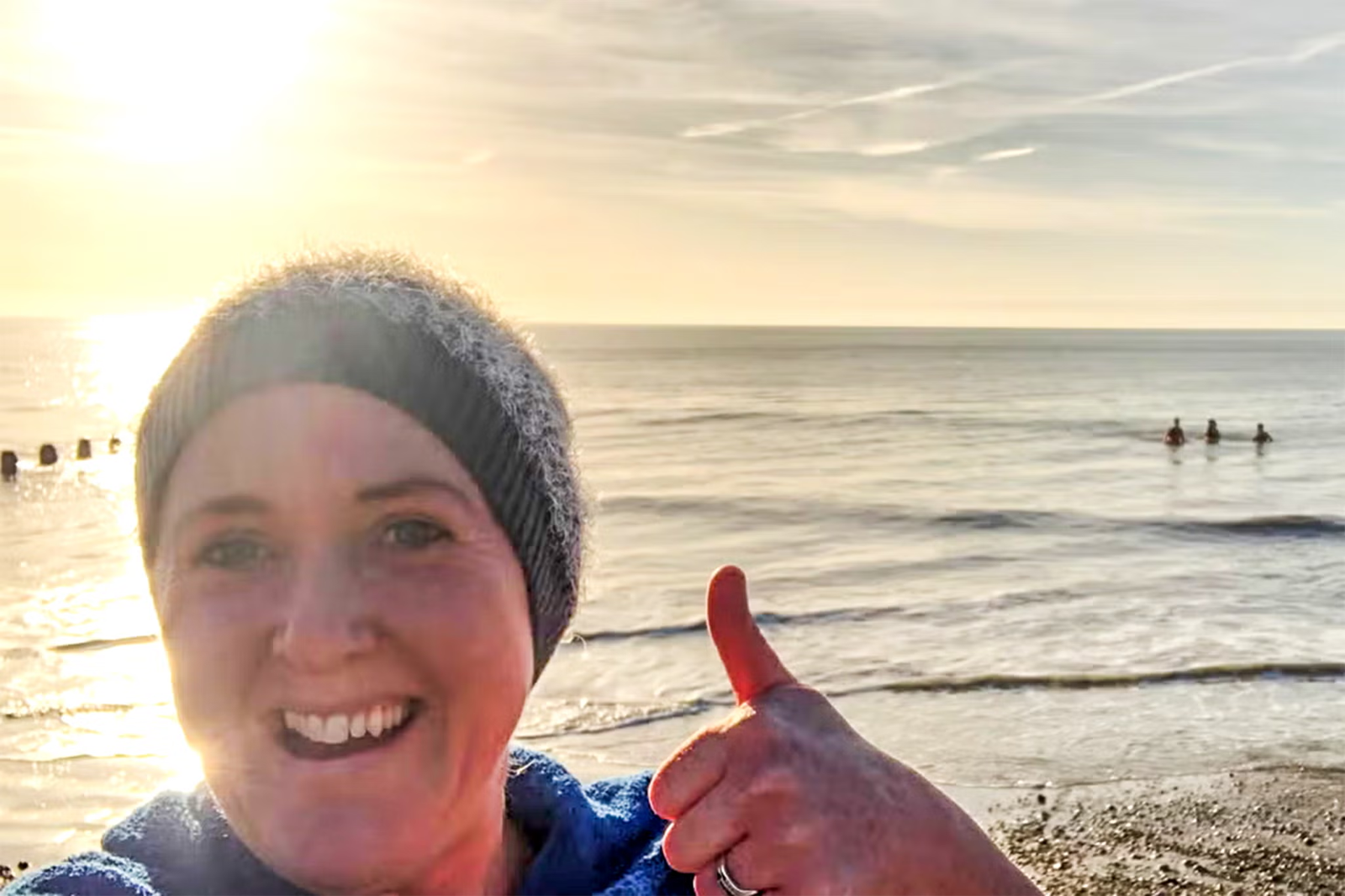
Suzi Finlayson, a 42-year-old mother and avid sea swimmer from Pagham, near Bognor Regis, faced a life-altering ordeal after contracting a severe infection from swimming at Aldwick Beach. What began as a routine swim in December 2023 led to a blood infection that developed into bacterial endocarditis, a rare and potentially fatal condition requiring emergency open-heart surgery.
Finlayson’s harrowing experience, linked to a 343-hour sewage overflow reported by Southern Water, has spotlighted the growing crisis of sewage pollution in UK waters and its devastating impact on public health. Her story is a stark warning of environmental failures and a call for urgent reform.
A Routine Swim Turns Critical
Suzi Finlayson was a dedicated member of the Salty Souls, a group of friends who swam three days a week at Aldwick Beach, finding joy, fitness, and community in the sea. As a professional mental health and wellbeing coach running her business, T.H.R.I.V.E with Suzi B, she valued the therapeutic benefits of sea swimming.
In December 2023, however, she began feeling unwell after a swim, experiencing symptoms she couldn’t explain. Initially attributing her fatigue to her active lifestyle, Finlayson sought medical attention as her condition worsened. Blood tests in early January 2024 revealed a streptococcus infection, likely contracted through her nose, mouth, or skin while swimming.
The infection rapidly progressed into bacterial endocarditis, an inflammation of the heart’s inner lining that can destroy heart valves. Admitted to St Richard’s Hospital in Chichester, Finlayson’s condition deteriorated, necessitating her transfer to a hospital in Brighton. There, she underwent open-heart surgery to replace her damaged mitral valve with an artificial one.
The procedure, followed by six weeks in hospital—including time in intensive care—and six months of recovery, left her physically and emotionally drained. Unable to walk her dogs or fully resume her business, Finlayson now lives with ongoing health challenges and a fear of returning to the sea she once loved.
Read : Influencer Gessica Kayane Nearly Denied Entry into Brazil After Cosmetic Surgery Changed Her Look
Her illness coincided with a significant sewage overflow at Aldwick Beach, lasting 343 hours (14 days) in December 2023, as reported by Southern Water. This prolonged discharge, part of nearly 2,500 hours of wastewater pumped off Bognor Regis by October 2023, likely introduced dangerous bacteria like E. coli and streptococcus into the water.
Read : Karachi Girl Receives Heart Transplant Surgery in Chennai
Finlayson’s case, while extreme, is not isolated—Surfers Against Sewage (SAS) reported 1,853 sickness cases in 2024, with 331 people seeking medical care for conditions linked to sewage pollution, including gastroenteritis and chest infections.
A Systemic Failure in Water Management
The root of Finlayson’s ordeal lies in the UK’s escalating sewage pollution crisis, which reached a decade-high in 2024. SAS’s annual Water Quality Report revealed that sewage was discharged into British waterways 592,478 times for 4.7 million hours last year, equivalent to 535 years of waste.
In Bognor Regis, the situation is particularly dire, with Aldwick Beach among the 15 UK swimming sites identified as high-risk for illness due to pollution. Southern Water’s infrastructure, strained by heavy rainfall and outdated systems, has been criticized for frequent overflows, even during dry spells, in violation of environmental regulations.
Finlayson’s attempts to seek accountability from Southern Water were met with a standard response, acknowledging the issue but offering no immediate solutions. The company, like others in England’s privatized water industry, faces minimal penalties for non-compliance, despite paying £1.2 billion to shareholders in 2024.

Giles Bristow, CEO of SAS, condemned the industry’s failures: “The water industry fails, fails and fails again, yet is permitted to come up smelling of roses, while our coastlines suffer the stench of sewage pollution.” He argues that England’s 100% private ownership model, unlike localized systems elsewhere, prioritizes profits over public health and environmental protection.
Regulatory oversight is equally lacking. Arun District Council tests seawater for bacteria only from May to September, despite year-round swimming’s growing popularity. Recent government regulations, passed on April 24, 2024, further weakened the water regulator Ofwat’s ability to penalize non-compliant companies, leaving swimmers like Finlayson vulnerable.
The Environment Agency’s allowance for overflows during heavy rain has been exploited, with companies fined for illegal discharges during dry weather but facing no systemic overhaul. This lack of transparency and accountability has eroded public trust, with 27% of billpayers considering withholding payments in protest.
A Call for Change and Community Response
Finlayson’s ordeal has galvanized her resolve to advocate for safer swimming conditions, though her recovery limits her ability to campaign alone. She has partnered with Jess Brown-Fuller, the Liberal Democrat Parliamentary Candidate for Chichester, to propose practical solutions.
These include year-round water testing, real-time sewage discharge alerts, and improved signage warning swimmers of risks like swallowing water or swimming with open cuts. Such measures aim to restore confidence in Bognor Regis and Chichester’s coastal waters, vital for the area’s physical, mental, and economic health.
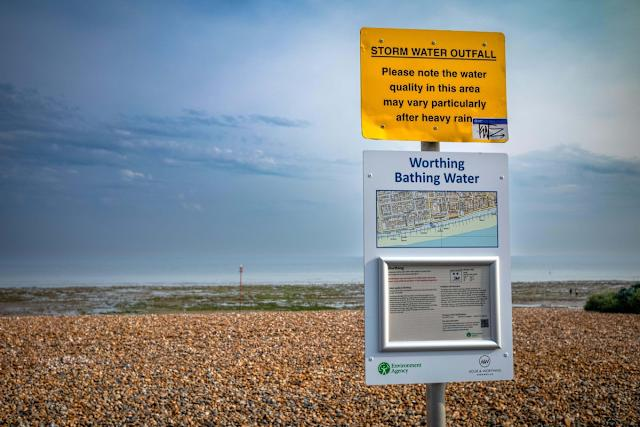
The broader community is also responding. Local swimmers and residents are rallying behind Finlayson’s story, sharing her call for reform. SAS’s 2024 report, which estimates that sewage-related illnesses cost the UK economy £493,200 in sick days, has amplified demands for regulatory change.
Campaigners are pushing for stricter enforcement, transparent water company finances, and an end to shareholder payouts when environmental laws are breached. Water UK, representing the industry, acknowledges the system’s flaws and supports the Independent Water Commission’s review, claiming a £12 billion investment to halve storm overflow spills by 2030. Critics, however, argue this is insufficient given the scale of the crisis.
In Bognor Regis, the incident has cast a shadow over a town known for its vibrant seaside culture. The Marine Park gardens and Arun Leisure Centre’s swimming facilities remain popular, but sea swimming’s appeal has waned for some due to pollution fears.
Finlayson’s story, coupled with the area’s history of community resilience—seen in events like the Bognor Regis 10K for cardiac research—underscores the need for collective action to protect public health and preserve the coast’s legacy.
As Suzi Finlayson continues her recovery, her experience serves as a clarion call for systemic change. The fight for clean waters is not just about restoring a beloved pastime but about safeguarding lives and livelihoods from the preventable consequences of neglect.