
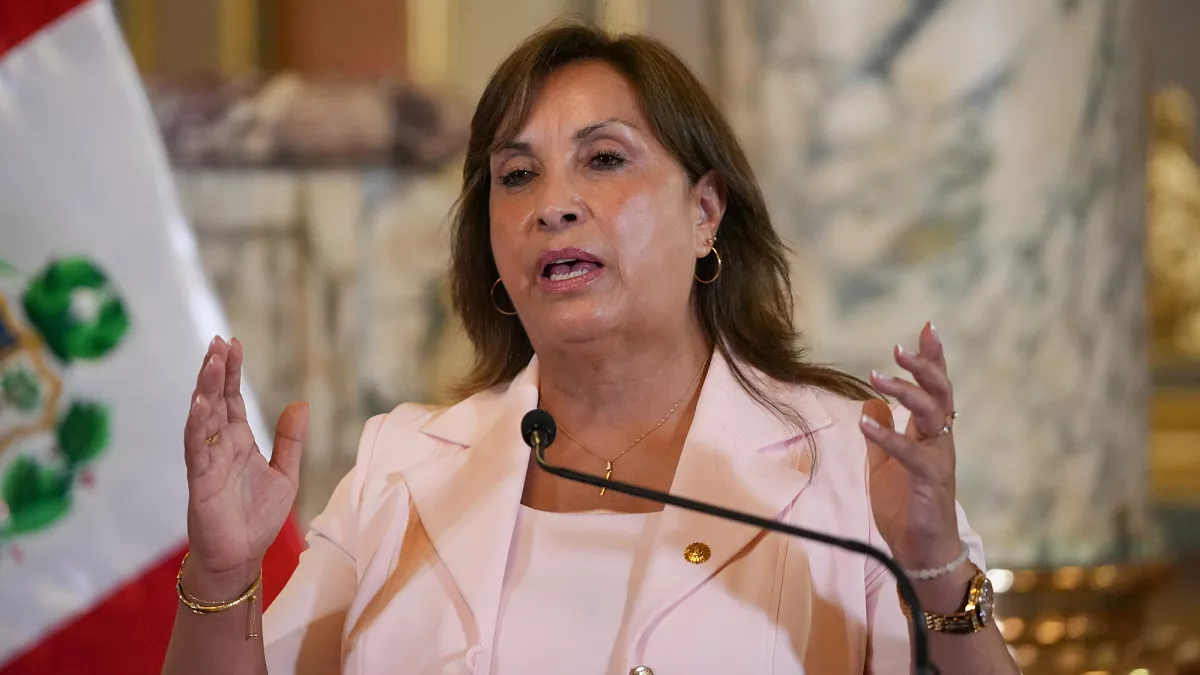
Peru has been thrown into turmoil following the tragic incident when popular cumbia singer Paul Flores Shot Dead. The rising tide of violent crime has led President Dina Boluarte to declare a state of emergency in the capital, Lima, deploying troops to the streets in an effort to curb the escalating crisis.
The shocking killing of the beloved musician has not only sparked public outrage but has also intensified concerns over the growing influence of criminal organizations across the country.
The Murder of Paul Flores and Public Outrage
Paul Flores, a well-known and beloved cumbia singer, was shot dead while traveling on a public bus in Lima on Sunday. The attack, allegedly carried out by extortionists targeting the bus operator, has become the latest high-profile incident in Peru’s rising crime wave.
His murder comes just days after an explosion at a restaurant injured at least 11 people, adding to the climate of fear and unrest in the capital. The killing of Flores, a prominent figure in Peru’s music industry, has deeply resonated with the public, fueling widespread anger.
Fans, fellow musicians, and citizens have taken to social media to express their grief and frustration, demanding immediate action from the government. Many view this tragedy as a symbol of the government’s failure to protect its citizens from criminal gangs that have increasingly terrorized businesses and individuals alike.
Read : Sierra Leone Declares State of Emergency Following Second Mpox Case in Four Days
The wave of violence has not been limited to high-profile figures. Reports indicate that businesses, especially transport companies, have been frequently targeted by gangs using extortion tactics.
Read : Russia Declares State of Emergency as Ukrainian Drone Attacks Voronezh Region: Watch
Criminal groups demand protection money, and those who refuse to comply often face violent retaliation, including arson attacks, shootings, and bombings. Paul Flores’ death has served as a grim reminder of the dangers faced by ordinary Peruvians, prompting calls for urgent intervention.
Crimewave and Government Response
Peru has witnessed a disturbing rise in violent crime in recent months. Official statistics paint a grim picture, with 459 murders reported between January 1 and March 16, alongside 1,909 cases of extortion in January alone. These numbers highlight the severity of the security crisis, which has gripped the nation and left many citizens feeling vulnerable.
The escalation of violence prompted President Dina Boluarte to take drastic measures, declaring a state of emergency in Lima. This declaration grants the military and police special powers, including the ability to detain individuals without judicial approval.
Additionally, fundamental rights such as freedom of movement and assembly have been suspended, giving security forces broad authority to restore order.

This is not the first time Peru has resorted to emergency measures in response to crime and unrest. The Boluarte administration had previously declared a similar state of emergency between September and December last year, yet the ongoing crisis suggests that previous efforts have been insufficient.
Opposition lawmakers have heavily criticized the government’s approach, questioning whether these measures will truly address the root causes of the crime wave.
Interior Minister Juan Jose Santivanez has faced significant backlash, with opposition legislators filing a motion for a vote of no confidence against him.
Critics argue that he has failed to implement a clear and effective strategy to combat rising criminal activity. The vote is expected to be discussed in the coming days, and its outcome could have significant political repercussions for the Boluarte administration.
Amid growing frustration, President Boluarte has made a controversial statement advocating for the death penalty for murderers. Currently, Peru only allows the death penalty for cases of treason, and her remarks have sparked a heated debate about whether capital punishment should be reinstated for violent criminals.
While some citizens support harsher punishments, human rights organizations warn that such a move could violate international agreements to which Peru is a signatory.
The Challenges Ahead and the Road to Stability
While the state of emergency grants security forces sweeping powers, it remains unclear whether these measures will bring lasting stability to Peru. The government’s heavy-handed approach raises concerns about potential human rights abuses, as has been the case in previous emergency declarations.
The restriction of fundamental freedoms, including the right to protest, could lead to further unrest if citizens perceive these measures as oppressive rather than protective. One of the major challenges facing Peruvian authorities is dismantling organized crime networks that have infiltrated various sectors of society.
Criminal groups operate with increasing sophistication, using fear and violence to control neighborhoods and extort businesses. Simply deploying troops may not be enough to curb their influence; instead, a comprehensive strategy involving law enforcement reforms, social programs, and economic support for vulnerable communities is necessary.

Experts argue that addressing the root causes of crime, including poverty, unemployment, and corruption, is crucial for long-term stability. Many young people in Peru turn to criminal activities due to a lack of opportunities, and without targeted interventions, the cycle of violence is likely to continue.
Strengthening the judicial system, ensuring swift and fair prosecutions, and eliminating corruption within law enforcement are essential steps in combating organized crime effectively.
The coming weeks will be critical in determining the success of the government’s latest measures. The public will be closely watching whether the presence of military forces on the streets leads to a tangible reduction in crime or merely serves as a temporary deterrent.
Furthermore, the political fallout from the crisis could impact President Boluarte’s leadership, especially if opposition lawmakers succeed in pushing for changes within the government.
Ultimately, the tragic killing of Paul Flores has brought Peru’s security crisis into sharp focus. His death has become a rallying point for citizens demanding justice and safer communities. While the state of emergency signals the government’s willingness to take decisive action, lasting solutions will require more than just military intervention.
Addressing systemic issues, investing in crime prevention programs, and restoring public trust in law enforcement will be essential in ensuring that Peru emerges from this dark period stronger and more resilient.