
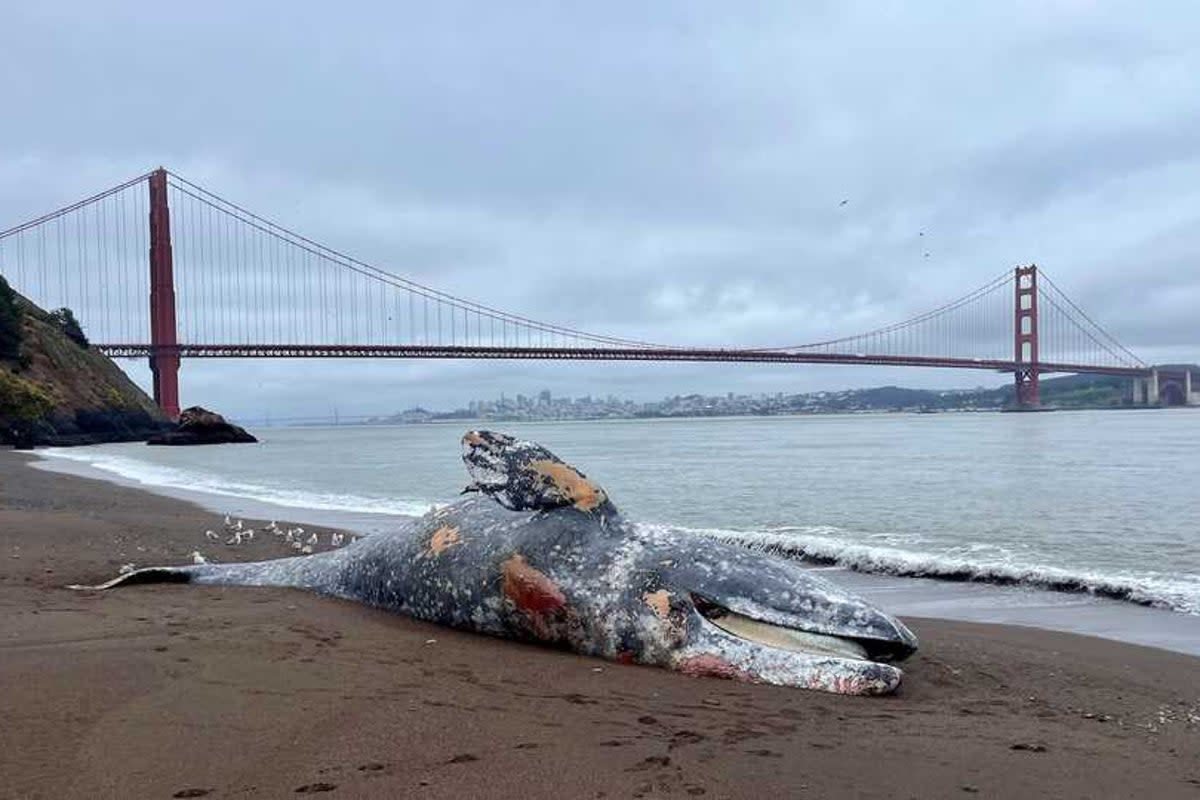
The recent discovery of six gray whale deaths in the San Francisco Bay Area has alarmed scientists, environmentalists, and the local community. This unsettling event contributes to a growing number of whale fatalities this year, raising serious concerns about the health and safety of these majestic marine mammals.
The deaths underscore ongoing challenges faced by gray whales and highlight the urgent need for continued research, conservation efforts, and public awareness to protect these animals as they migrate through critical coastal habitats.
A Disturbing Rise in Gray Whale Fatalities
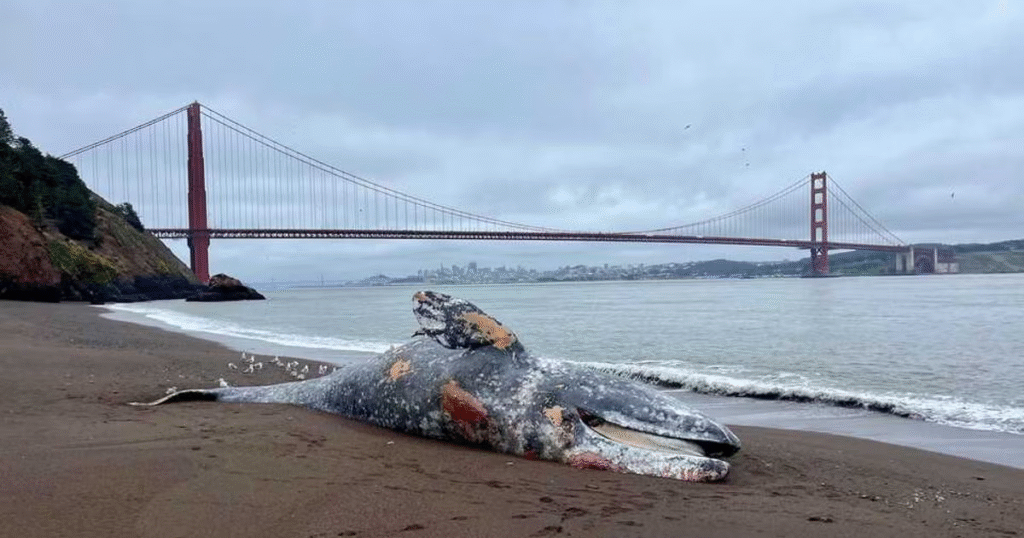
Over the past week, six gray whales were found dead in various locations throughout the San Francisco Bay Area. This tragic number is part of a larger total of 15 stranded whales recorded in the region in 2025 alone, with 14 of those being gray whales. This surge in deaths matches or surpasses levels seen during previous Unusual Mortality Events (UMEs) in 2019 and 2021, when a similar number of gray whales were lost.
According to a press release from the California Academy of Sciences, alongside partners at The Marine Mammal Center, the deaths have been confirmed in multiple areas including Berkeley, Point Reyes National Seashore, and Alcatraz Island. Of these, three gray whale deaths have been linked to probable or suspected vessel strikes. Vessel strikes are a well-known hazard for large whales, particularly in busy shipping lanes and ferry routes common in the Bay Area.
This sad trend continues.
— Max Taves (@maxtaves.bsky.social) (@maxtaves) June 1, 2025
A clearly sick (gray?) whale is fighting for survival rn onshore at Montara State Beach, 8m north of Half Moon Bay.
As reported by @BayAreaNewsHQ’s @mercnews, a suspiciously high # of whales are dying in Bay Area.
My aerial footage from this PM: pic.twitter.com/o8EP9fT6kZ
Unfortunately, the exact causes of death for the remaining whales found between late May and early June remain undetermined. Necropsy investigations have been hampered by factors such as inaccessible locations, poor tissue condition due to decomposition, and logistical challenges in towing carcasses to specialized facilities for thorough examination. This lack of conclusive data complicates efforts to understand and address the root causes behind this worrying increase in mortality.
Unusual Whale Activity and Possible Environmental Stressors
In addition to the deaths, scientists have observed an unusually high number of live gray whale sightings in the Bay Area this year—33 individual whales have been documented, which is more than five times the number seen in 2024. Notably, about one-third of these whales lingered in the area for 20 days or more, with some appearing emaciated or unhealthy.
This unexpected concentration of gray whales in the Bay Area is causing researchers to investigate what might be driving this abnormal behavior. Normally, gray whales undertake a long annual migration from their wintering grounds in Baja California, Mexico, to their feeding areas in the Arctic. The presence of so many whales in the Bay Area for an extended period suggests possible disruptions or changes in their normal migratory or feeding patterns.
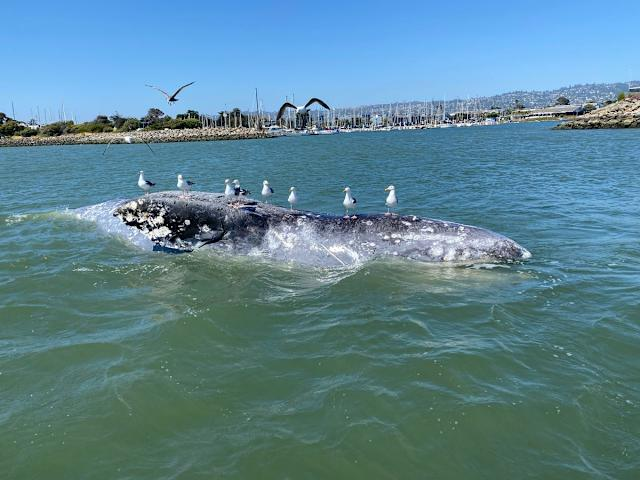
Environmental changes such as shifts in ocean temperature, prey availability, or pollution could be contributing factors. The effects of climate change on marine ecosystems have been well documented, and disruptions in food supply could lead whales to linger longer in coastal regions while searching for nourishment. Moreover, the high number of deaths and emaciated individuals raises concerns about the overall health of the population
Read : Remains Believed to Be Missing Maynard Family Found Under 180 Feet of Water in Kachemak Bay
Scientists are actively monitoring the situation, hoping to collect enough data to better understand these dynamics and predict how long gray whales will remain in the Bay Area before continuing their migration northward.
Efforts to Protect Gray Whales and Promote Awareness
The spike in gray whale deaths and sightings has prompted local authorities and conservation groups to increase protective measures. One of the main threats to gray whales remains collisions with vessels, particularly in busy waterways like the San Francisco Bay. Gray whales, which tend to stay closer to shore, are often harder to spot than other coastal whale species, increasing the risk of fatal encounters with boats and ferries.
In response, the California Academy of Sciences and The Marine Mammal Center, together with the U.S. Coast Guard, have been collaborating to reduce vessel strike risks. This includes altering ferry routes based on real-time whale sighting data to avoid areas with high whale activity. Additionally, communication efforts have been stepped up to encourage boaters to remain vigilant and “whale aware” while navigating the Bay.
Public participation plays a crucial role in conservation. People who spot whales are encouraged to report sightings using the Whale Alert app, which helps scientists track whale movements and implement safety measures. Furthermore, individuals who encounter dead marine mammals are urged to contact the Academy’s Department of Ornithology and Mammalogy, aiding in necropsy and data collection efforts that are vital to understanding mortality causes and shaping future protection strategies.
Beyond the Bay Area, gray whales along the Pacific Coast face similar challenges. Dozens of whales have died off Mexico’s Baja California peninsula since the start of the year. There, scientists have documented very few mother and calf pairs, raising concerns about the species’ reproductive success and overall population health.
The recent deaths of six gray whales in the San Francisco Bay Area highlight the fragile balance these animals face amid natural and human-related threats. Vessel strikes, environmental changes, and unknown factors contributing to mortality underscore the need for ongoing research, protective action, and public engagement.
The unusual spike in whale sightings, combined with the mortality numbers, paints a complex picture of ecological stress requiring attention from scientists, policymakers, and the community.
Protecting gray whales means safeguarding their migratory corridors, feeding grounds, and ensuring that human activities such as shipping and recreation minimize harm. Reporting sightings and dead whales helps researchers track and respond to emerging threats. As gray whales continue their epic migration northward, the hope remains that increased awareness and coordinated conservation efforts will improve their chances of survival and the long-term health of their populations.