
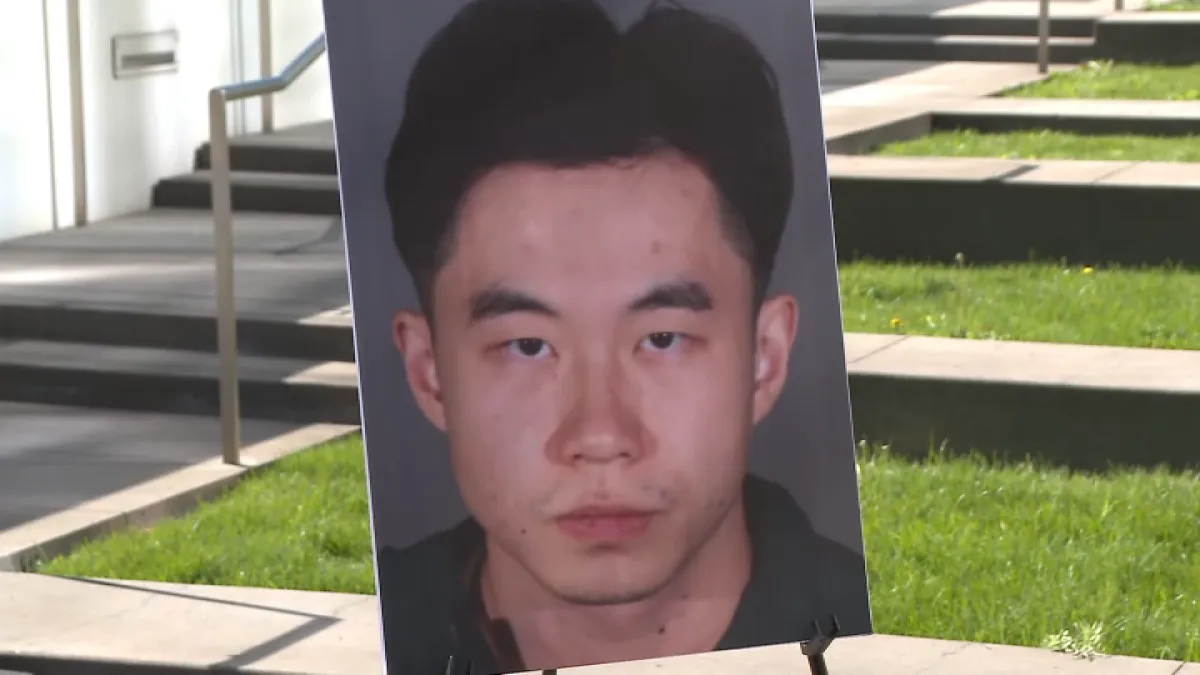
A 30-year-old doctoral student at the University of Southern California (USC) has been charged with multiple counts of drugging and raping women over a period of three years, in a case that has shocked both academic and law enforcement circles in Los Angeles and beyond. Authorities allege that Sizhe Weng, a Chinese national studying electrical engineering, used controlled substances to incapacitate women before sexually assaulting them. The charges against him span incidents that reportedly occurred between 2021 and 2024, and prosecutors have described the case as one of “calculated manipulation and severe abuse of trust.”
According to the Los Angeles County District Attorney’s Office, Sizhe Weng—known to classmates as Stephen—faces a total of eight felony charges, including forcible rape, rape by use of a controlled substance, sodomy by controlled substance or anesthesia, and sexual penetration by controlled substance or anesthesia. The allegations first surfaced after a cross-border investigation linking Weng to a similar case in Europe. Officials said German authorities had contacted the Los Angeles Police Department (LAPD) earlier this year after identifying Weng as a suspect in an ongoing sexual assault probe involving a Chinese student who had recently moved to California.
As a result of that tip-off, an extensive investigation involving both the FBI and the German Federal Criminal Police (Bundeskriminalamt, or BKA) was launched. Law enforcement agencies conducted searches at Weng’s Los Angeles residence, where they allegedly discovered incriminating evidence that corroborated the reports of drug-facilitated sexual assault. Authorities have not publicly detailed the nature of the evidence but confirmed that digital devices, narcotic substances, and other materials are being examined as part of the continuing investigation.
International Cooperation and the Start of the Investigation
The case against Sizhe Weng began unfolding earlier this year when European officials, in the course of investigating a sexual assault case in Germany, traced digital and travel records that pointed toward a student who had relocated to Los Angeles. The German Federal Criminal Police then alerted the LAPD, prompting a multi-jurisdictional investigation that quickly gathered momentum. Detectives from the LAPD’s Robbery-Homicide Division, in coordination with federal authorities, obtained warrants to search Weng’s residence and digital storage devices.
Alan Hamilton, Deputy Chief of the LAPD, said during a press briefing that investigators found evidence strongly indicating the use of controlled substances to render victims unconscious. “It’s very similar to what you’re talking about in terms of roofies,” Hamilton stated, referring to common slang for sedative-hypnotic drugs such as Rohypnol or GHB, which are often used in drug-facilitated sexual assaults. He added that the material recovered included items “consistent with the methods described by the victims,” reinforcing the department’s case.
The international element of the investigation has been key in connecting Weng to multiple jurisdictions. Federal agents worked closely with German officials to gather testimony and trace patterns of behavior that matched allegations in both countries. While officials have not disclosed whether Sizhe Weng will face charges abroad, prosecutors in Los Angeles are focusing on the cases tied to events that allegedly took place while he was enrolled at USC.
🚨BREAKING: Chinese national Sizhe Weng, here on a Biden autopen student visa is arrested in Los Angeles for drugging and raping multiple women after placing incapacitating drugs in their food and/or drinks between 2021 & 2024. pic.twitter.com/3C4s4XFNTM
— Dapper Detective (@Dapper_Det) October 16, 2025
As the investigation progressed, law enforcement agencies reached out to the university to gather background information and assess whether any incidents occurred on or near campus. The Los Angeles District Attorney’s Office has emphasized that the timeline of alleged offenses indicates deliberate planning over a three-year span. Authorities are now urging other potential victims to come forward, expressing concern that additional assaults may have gone unreported.
Charges, Legal Proceedings, and Potential Penalties
The formal charges against Sizhe Weng represent some of the most serious sexual assault allegations under California law. Prosecutors have charged him with one felony count of forcible rape, one count of rape by controlled substance, two counts of sodomy by controlled substance or anesthesia, and four counts of sexual penetration by controlled substance or anesthesia. Each of these charges carries a potential sentence of several years in state prison, and collectively they could result in a life sentence if Weng is convicted on all counts.
According to Los Angeles County jail records, Weng was taken into custody in August and is currently being held without bail at the Twin Towers Correctional Facility, one of the most secure detention centers in the county. Authorities cited the severity of the charges and the potential flight risk posed by his international background as reasons for denying bail. Court filings show that Weng has pleaded not guilty to all counts, and his defense counsel has declined public comment pending trial.
District Attorney Nathan Hochman addressed the case in a public statement, emphasizing his office’s commitment to seeking justice for the victims. “No one should ever have to endure the trauma of being drugged, sexually assaulted, and stripped of their ability to consent,” Hochman said. “Prosecutors in our Sex Crimes Division and our law enforcement partners will not rest until the defendant is held accountable for these horrific acts.”
Read : 31-Year-Old Thomas Brown Jailed for Killing of Two Student of Arcadia High School
Under California’s Penal Code, crimes involving sexual assault under the influence of controlled substances are treated with exceptional gravity. Prosecutors must prove not only the act itself but also that the victim was incapable of giving consent due to the defendant’s deliberate administration of intoxicants. Conviction would also result in mandatory registration as a sex offender, a permanent criminal record, and a potential sentence of life imprisonment.

Legal analysts have noted that the combination of forensic evidence, international cooperation, and multiple victims significantly strengthens the prosecution’s case. However, the court process is expected to be lengthy and complex, particularly because elements of the investigation involve international data-sharing agreements and cross-border evidentiary rules.
So far, officials have not disclosed whether the alleged assaults occurred on university property, in private residences, or elsewhere in Los Angeles. Authorities are continuing to identify and interview additional witnesses. The LAPD has also appealed to anyone who may have interacted with Sizhe Weng socially or academically to share any relevant information with investigators.
University Response and Ongoing Concerns About Campus Safety
In the wake of Sizhe Weng’s arrest, the University of Southern California issued a statement confirming that he has been permanently banned from campus pending the outcome of criminal proceedings. The university emphasized its cooperation with law enforcement and reiterated its commitment to maintaining a secure environment for students, faculty, and staff.
“Providing a safe environment for learning, teaching, and research is our top priority,” the university said in a written statement. “The university has been fully cooperating with the Los Angeles Police Department in this matter. Although we cannot discuss individual cases due to student privacy laws, we can confirm that the university had already taken appropriate steps to bar the individual in question from campus pending resolution of the criminal proceedings. USC has not received any reports from individuals potentially impacted.”
The statement reflects the institution’s attempt to distance itself from the allegations while acknowledging the gravity of the situation. In recent years, USC has faced public scrutiny over its handling of sexual misconduct cases, leading to strengthened reporting procedures and expanded survivor support programs. Nevertheless, cases involving graduate students and international scholars continue to pose challenges for universities, especially when incidents occur off-campus or involve complex jurisdictional questions.
Campus safety advocates argue that cases like Weng’s highlight the need for universities to maintain stronger oversight of student conduct and implement early-warning systems when potential red flags emerge. They also point out the importance of international coordination, given the increasing number of students who move across borders for advanced studies.
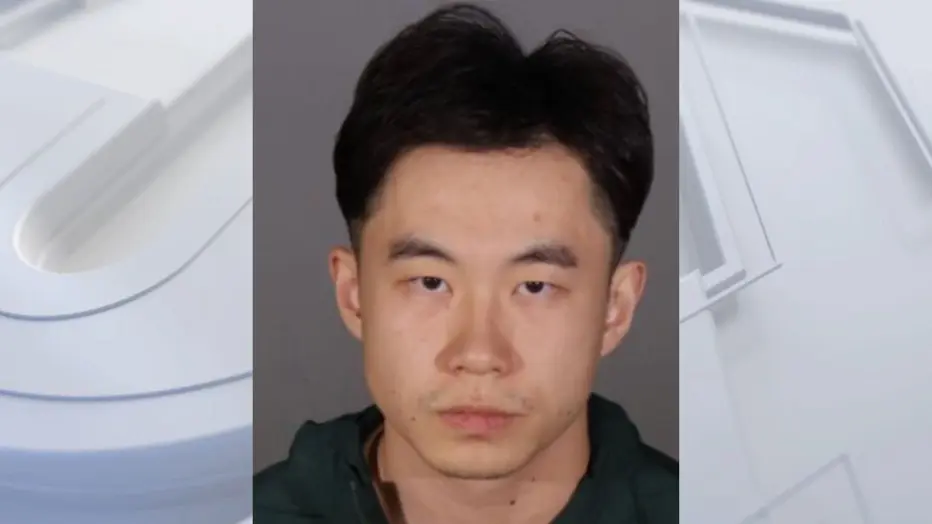
As news of the case spreads, students and faculty at USC have expressed shock and concern. Some have described Weng as a quiet and academically driven individual who showed no signs of troubling behavior, while others have said they were aware of rumors about his social interactions. Authorities have refrained from commenting on whether any of the alleged victims were affiliated with the university.
The broader implications of the case extend beyond USC, shedding light on the intersection of campus safety, international law enforcement collaboration, and the growing awareness of drug-facilitated sexual assault. The LAPD has confirmed that the department’s Victim Services Unit is working closely with prosecutors to provide counseling and legal support for survivors.
At present, Sizhe Weng remains incarcerated without bail as he awaits further court proceedings. His arraignment has already taken place, and preliminary hearings are expected to continue over the coming months. Prosecutors have stated that they will seek the maximum penalty allowable under law, arguing that the alleged crimes involved deliberate incapacitation and predatory intent.
Authorities have again urged any individuals who believe they may have been victimized by Weng to contact the LAPD or the District Attorney’s Office. “We want every victim to know that their voices matter and we will fight to ensure you are heard,” District Attorney Hochman reiterated in his statement.
While the legal process unfolds, the case stands as one of the most disturbing examples in recent years of alleged drug-facilitated sexual assault within an academic environment. It underscores the continuing challenges faced by universities and law enforcement agencies in identifying, investigating, and prosecuting offenders who operate under the guise of academic and professional respectability.