
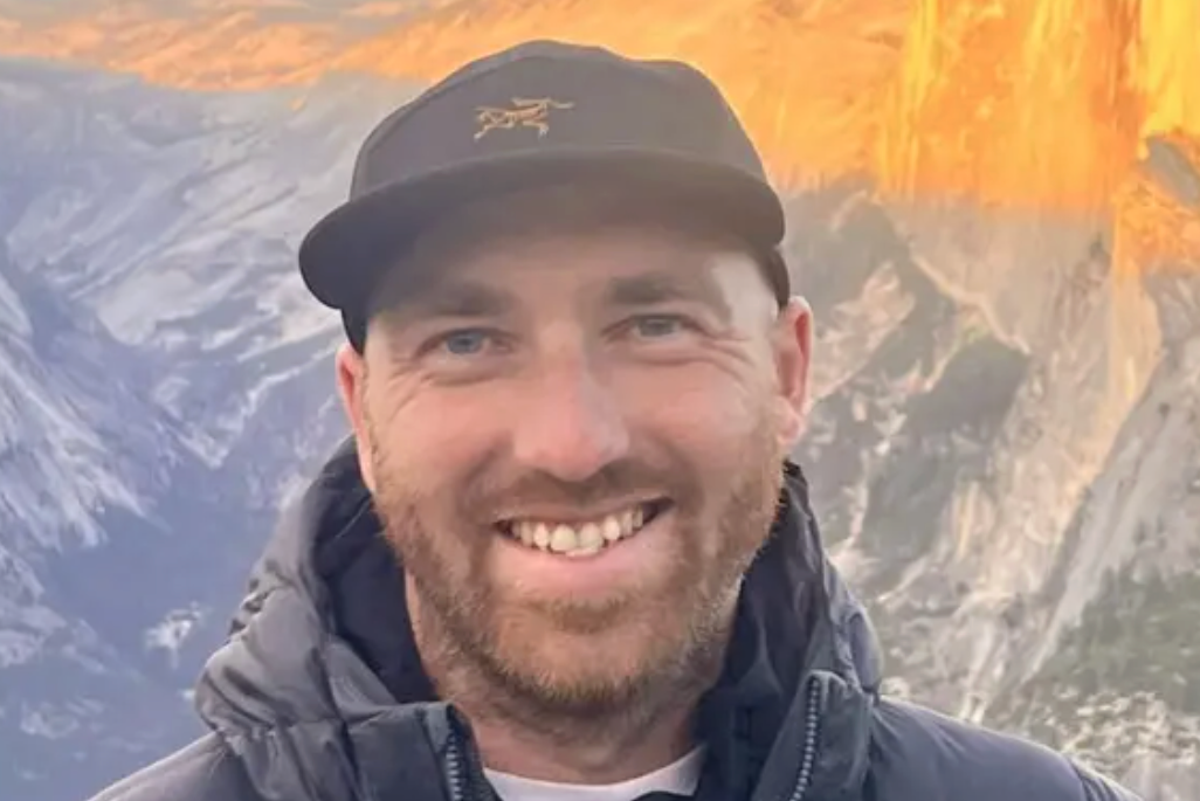
The death of a ski patroller during avalanche mitigation work has cast a heavy shadow over Mammoth Mountain Ski Resort and the wider mountain safety community in California. Cole Murphy, a 30-year-old member of the Mammoth Mountain Ski Patrol, died two days after sustaining critical injuries in an avalanche on Lincoln Mountain, just after Christmas. The incident occurred during routine avalanche control operations, a task that is central to ski resort safety but carries inherent risks, even for highly trained professionals. Murphy’s passing has renewed attention on the dangers faced by ski patrollers, the unpredictable nature of mountain environments, and the close-knit culture that defines those who work in them.
Avalanche mitigation work is an essential part of resort operations following heavy snowfall, particularly in high-alpine terrain like Mammoth Mountain in the Eastern Sierra Nevada. Ski patrollers routinely assess snow stability, trigger controlled slides, and work in hazardous conditions to reduce the risk to the public. Despite stringent safety protocols and extensive training, avalanches remain one of the most dangerous natural threats in mountain environments. The loss of Murphy underscores that reality, highlighting both the bravery of ski patrollers and the limits of human control over natural forces.
Mammoth Mountain, a four-season resort with a summit elevation of 11,053 feet, is known for its challenging terrain and heavy snowfall. These features make it a premier destination for skiers and snowboarders, but they also require constant vigilance from ski patrol teams tasked with keeping slopes as safe as possible. Murphy’s death marks the second fatal avalanche incident involving a Mammoth Mountain ski patroller on Lincoln Mountain within the same year, deepening the sense of grief and concern among resort staff and the broader mountain safety community.
Avalanche Incident During Mitigation Work on Lincoln Mountain
The avalanche that led to Cole Murphy’s death occurred on the morning of December 27, the day after Christmas, during scheduled avalanche mitigation work on Lincoln Mountain. According to Mammoth Mountain resort officials, two ski patrollers were actively engaged in safety operations when they were caught in a slide. Such work is typically conducted before public access is allowed, often in early morning hours, and involves deliberate exposure to unstable snowpack conditions in order to reduce later risk.
Both patrollers were swept up in the avalanche and were quickly transported to a nearby hospital. Resort officials stated that one patroller sustained serious injuries, while the other was evaluated for possible broken bones. At the time, the resort emphasized that emergency response procedures were enacted immediately, reflecting the preparedness that ski patrol teams maintain for incidents in remote and dangerous terrain.
Despite medical intervention, officials announced two days later that the critically injured patroller, identified as Cole Murphy, had died from his injuries. The second patroller underwent successful surgery and was reported to be recovering as of the following Saturday. The incident sent shockwaves through Mammoth Mountain and the wider skiing community, where avalanche mitigation is understood as necessary but perilous work.
Read : Timothy Loehmann Who Fatally Shot 12-Year-Old Tamir Rice Fired from Ranger Post at Snowshoe Resort
Avalanche mitigation often involves the use of explosives or other triggers to release unstable snow in a controlled manner. While patrollers rely on detailed weather data, snowpack analysis, and experience, avalanches can still behave unpredictably. Terrain features, wind loading, temperature changes, and snow density can combine in ways that defy expectations. Lincoln Mountain, in particular, has been identified as an area requiring frequent avalanche control due to its steep slopes and exposure.
Read : Enchantment Awaits: Discovering the Magic of Walt Disney World Resort
The fact that two patrollers were caught during mitigation efforts illustrates how even controlled operations can quickly become life-threatening. It also highlights the professional commitment of ski patrollers, who regularly place themselves in harm’s way to protect others. In many cases, their work goes unseen by the public, taking place before lifts open or after storms when conditions are at their most volatile.
Cole Murphy’s Life, Career, and Connection to the Mountains
Following the announcement of Cole Murphy’s death, his family released a statement that offered insight into the person behind the uniform. They described him as someone who moved through the world “with kindness, intention, and a wholehearted devotion to the life he chose.” For Murphy, the mountains were not merely a workplace but a place of belonging and purpose.
According to his family, the mountains were where Murphy “felt most alive,” serving as both his community and his second home. Ski patrol, they said, was not just a job but a calling. This sentiment reflects a common perspective among those who work in mountain safety roles, where professional responsibilities are deeply intertwined with personal identity and passion for the outdoors.
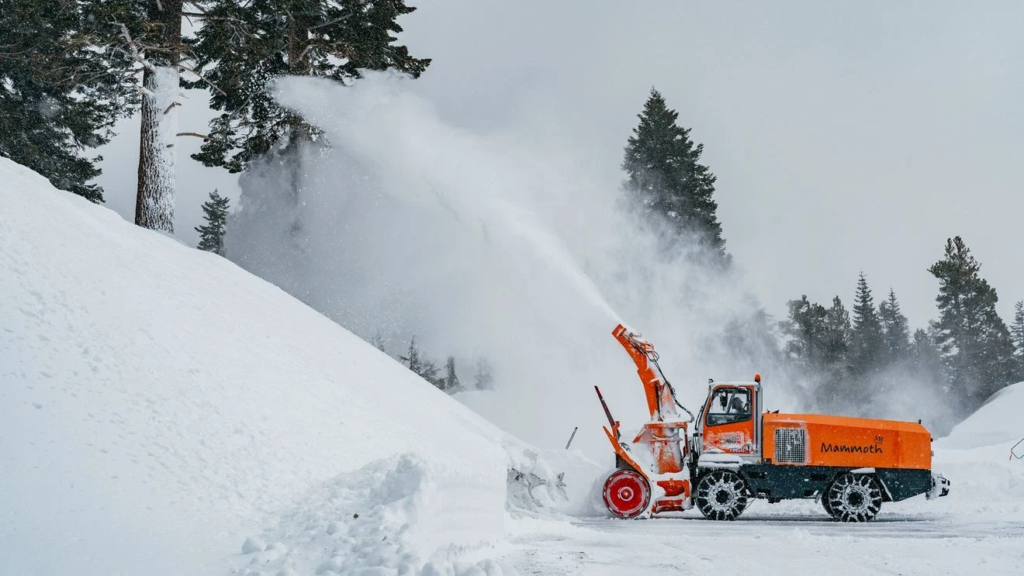
Murphy’s family also spoke about his relationships, particularly with his partner, Hayley, whom they described as “his joy” and “his steady place in the world.” Their bond, built on shared adventure and laughter, was portrayed as central to Murphy’s life. The statement emphasized that this connection would remain an enduring part of who he was, underscoring the profound personal loss experienced by those closest to him.
Beyond his romantic relationship, Murphy was remembered as someone who held his family close and approached life with an easy smile and generous spirit. These personal reflections humanize a tragedy that might otherwise be seen only through the lens of workplace risk and public safety. They also illustrate the broader impact of such incidents, extending far beyond the mountain itself to families, friends, and communities.
Within the ski patrol community, such losses are felt deeply. Ski patrollers often work in small, tight-knit teams that rely heavily on trust and mutual support. Training together, responding to emergencies side by side, and sharing long hours in harsh conditions fosters strong bonds. The death of a colleague in the line of duty reverberates through these teams, affecting morale and underscoring the risks inherent in their profession.
Murphy’s dedication and passion are emblematic of many who choose careers in mountain safety. While the work may not offer the financial rewards or recognition of other professions, it attracts individuals drawn to service, adventure, and a sense of responsibility for others’ well-being. Murphy’s story, as shared by his family, reflects those values and the deep connection many patrollers feel to the landscapes they protect.
Mammoth Mountain’s History With Avalanche Fatalities and Ongoing Safety Challenges
Cole Murphy’s death also draws renewed attention to Mammoth Mountain’s recent history with avalanche-related fatalities among ski patrollers. Earlier in the same year, another Mammoth Mountain ski patroller, Claire Murphy, died following an avalanche on Lincoln Mountain while performing similar mitigation work. That incident occurred on February 14 in an area known as “The Avy Chutes,” following a significant snowstorm that deposited approximately six feet of snow in just 36 hours.
Read : Kudos! Jay Peak Resort Employs Goats and Sheep to Eco-Clear Its Slopes
In the February incident, resort officials stated that Claire Murphy was fatally injured during avalanche control operations, while another patroller who was recovered at the scene was uninjured. The scale of snowfall and the intensity of storm conditions were cited as contributing factors, highlighting how extreme weather events can rapidly increase avalanche risk, even for experienced teams.
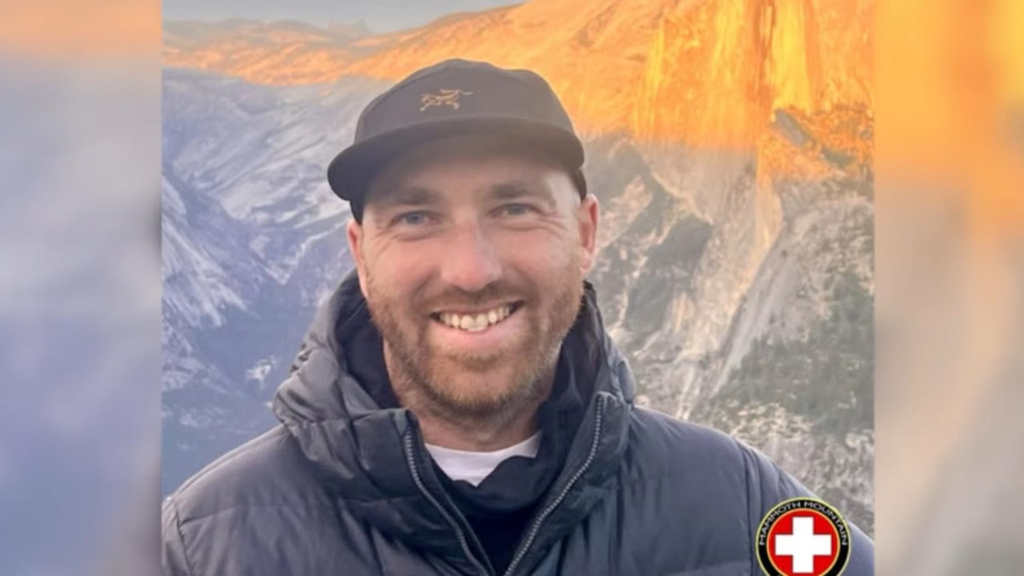
The recurrence of fatal incidents on Lincoln Mountain raises difficult questions about risk management in high-alpine environments. Avalanche mitigation is, by its nature, a high-risk activity, and even the most rigorous protocols cannot eliminate danger entirely. Resorts like Mammoth Mountain continually review safety procedures, training standards, and operational decisions in the wake of such tragedies, but the fundamental challenge remains the same: working in terrain shaped by powerful and unpredictable natural forces.
Mammoth Mountain’s location in the Eastern Sierra Nevada exposes it to intense winter storms and heavy snowfall, conditions that create both exceptional skiing and significant avalanche hazards. The resort’s elevation and terrain complexity require extensive avalanche forecasting and control efforts throughout the season. Ski patrol teams must balance the need for thorough mitigation with the safety of their own members, a calculation that can be extraordinarily complex under changing weather conditions.
The deaths of Cole Murphy and Claire Murphy serve as stark reminders of the human cost associated with maintaining ski resort safety. While guests experience groomed runs and controlled environments, these conditions are made possible through behind-the-scenes work that often involves real danger. The ski industry, along with avalanche safety organizations, continues to invest in research, training, and technology to reduce risk, but incidents like these demonstrate that zero risk is unattainable.
As Mammoth Mountain and the broader skiing community mourn the loss of Cole Murphy, his death stands as both a personal tragedy and a professional reminder of the hazards faced by those who safeguard mountain environments. It reinforces the importance of recognizing ski patrollers not only as resort employees but as skilled safety professionals whose work carries significant responsibility and risk.