
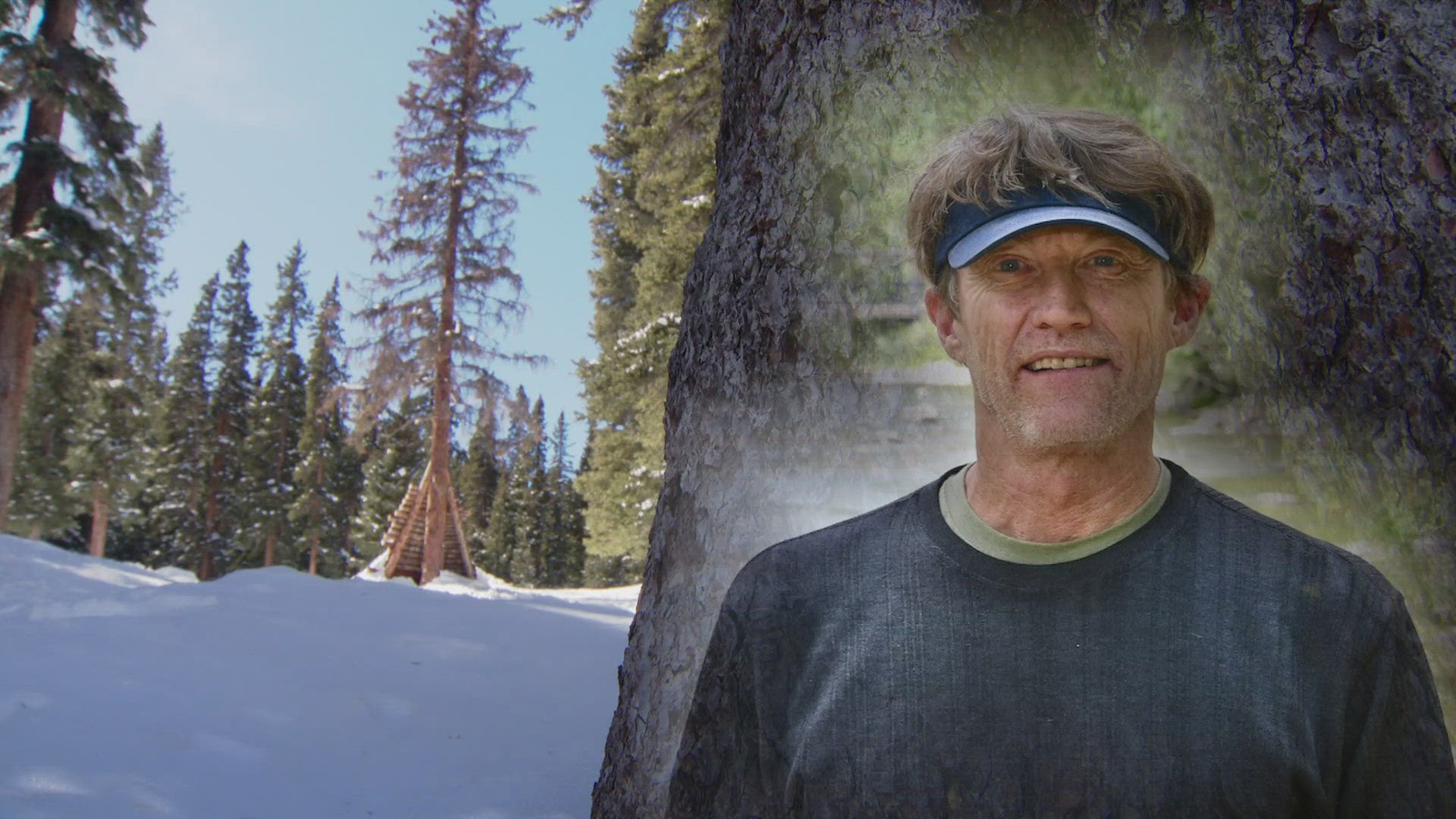
The death of a backcountry skier in Colorado has drawn attention to the persistent dangers of avalanche conditions in mountainous terrain during the winter season. Authorities confirmed that David Pickett-Heaps died after being caught in an avalanche near Boss Basin, an area south of Ptarmigan Pass in the mountains near Copper Mountain. The incident occurred during the 2025–2026 ski season and has been identified by officials as the first avalanche-related fatality in Colorado this winter. Search and rescue teams located his body early Sunday morning after an overnight search involving multiple rescue organizations.
The tragedy highlights both the unpredictable nature of avalanche conditions and the risks faced by those traveling in backcountry environments where natural hazards remain largely unmanaged. The search began after a snowmobiler was reported missing Saturday evening in the Boss Basin area, located in the upper portion of Resolution Creek. Authorities from several agencies quickly responded to the report, including regional rescue teams and sheriff’s offices from surrounding counties.
Investigators later determined that Pickett-Heaps had used a snowmobile to access the remote terrain but was skiing when the avalanche occurred. Rescue teams discovered ski and snowmobile tracks leading toward the avalanche site, suggesting he had entered the slope shortly before the slide was triggered. The avalanche debris field ultimately revealed the location of the victim during a coordinated search operation conducted at first light.
Backcountry skiing has grown increasingly popular in recent years as more outdoor enthusiasts seek untracked snow and remote mountain experiences away from crowded ski resorts. However, the same freedom and isolation that attract skiers to these environments also create significant safety challenges. Avalanche mitigation and monitoring efforts are typically limited to managed ski resort boundaries, leaving backcountry terrain subject entirely to natural conditions. The fatal avalanche in Boss Basin illustrates the complex combination of snowpack conditions, weather patterns, and terrain factors that can create dangerous situations for skiers and snowmobilers alike.
Search Efforts and Discovery of the Avalanche Site
Rescue teams launched their search soon after the missing person report was received on Saturday evening. The operation involved multiple organizations working together to locate the skier in the mountainous terrain. The Summit County Rescue Group and Vail Mountain Rescue joined law enforcement personnel from the Summit and Eagle County sheriff’s offices to conduct the search in the Boss Basin region. This area lies at high elevation and features steep slopes, deep snow accumulation, and remote access points, making search operations particularly challenging.
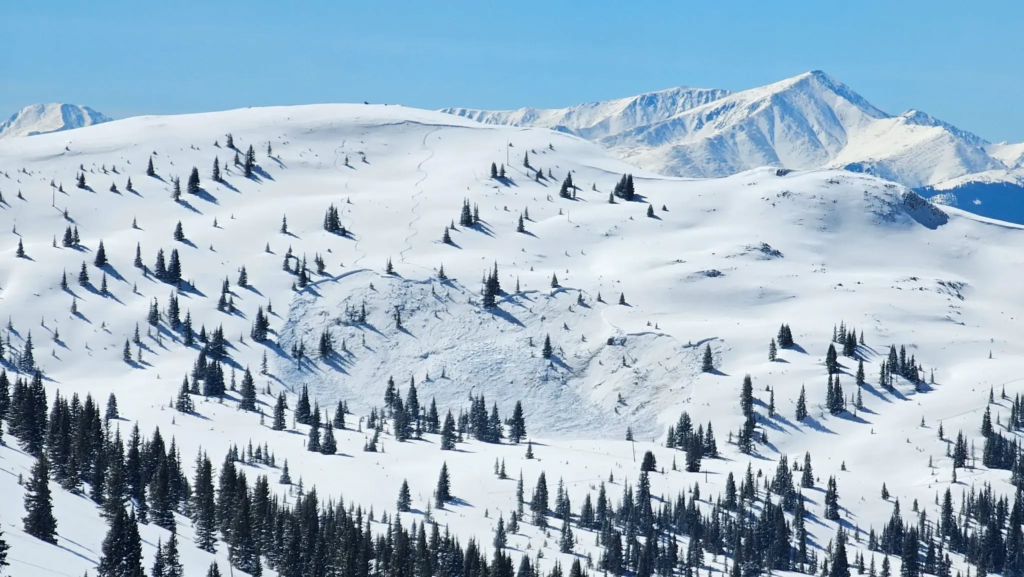
During the search, responders discovered signs of an avalanche on a slope near the tree line. Investigators noticed ski tracks and snowmobile tracks leading directly toward the area where the avalanche had occurred. The presence of those tracks suggested that the missing skier had traveled into the slope shortly before the slide. The discovery confirmed that the search had likely located the site of the accident.
Because avalanche terrain can remain unstable after a slide, rescue teams often must carefully evaluate safety conditions before entering the debris field. The steep slopes and unstable snowpack in the region meant that search operations were conducted cautiously to protect rescuers from additional slides. The operation continued through the night as teams prepared to resume searching at first light.
At sunrise on Sunday, rescuers returned to the avalanche site with support from an air medical helicopter. The aircraft helped transport personnel and provided aerial assistance in examining the avalanche debris. During the morning search, rescuers located the body of David Pickett-Heaps within the avalanche debris field. Authorities confirmed that he had died as a result of the avalanche.
Read : 19-Year-Old Skier Dies After Hitting Tree in Nina’s Area
Officials later noted that the avalanche had occurred on a northeast-facing slope near the tree line and was approximately two feet deep. Even avalanches of this depth can be deadly if a skier becomes buried or carried into obstacles. Investigators visited the site following the recovery operation to document conditions and gather information that will contribute to a detailed accident report.
Read : Whittier: A Town of Only One Building Established by the U.S. Army During World War II
The Eagle County Sheriff’s Office is overseeing the investigation into the incident. Meanwhile, avalanche specialists are expected to release a comprehensive analysis of the slide and the environmental factors that contributed to it. Such reports often help the backcountry community better understand how and why avalanches occur, providing valuable information that may help prevent future accidents.
Avalanche Conditions in Colorado This Season
Avalanche forecasters have emphasized that the conditions leading up to the accident reflect broader snowpack patterns across parts of Colorado’s high country this winter. Experts monitoring mountain conditions have noted that avalanche danger has remained elevated in certain regions due to a combination of weather patterns and snowpack instability.
Avalanche danger levels are typically rated on a scale from one to five, with level three classified as “considerable.” At this level, natural avalanches are possible and human-triggered avalanches are likely in certain areas. Forecasters reported that many north- and east-facing slopes in the mountains were experiencing considerable avalanche danger during the period when the fatal slide occurred.
The structure of the snowpack plays a crucial role in determining avalanche risk. During periods of dry weather or limited snowfall, the snow surface can develop weak layers that remain fragile. These layers may consist of loose crystals or other unstable formations that cannot support additional weight. When fresh snowfall later accumulates on top of these layers, the added weight can cause the buried weak layers to collapse.
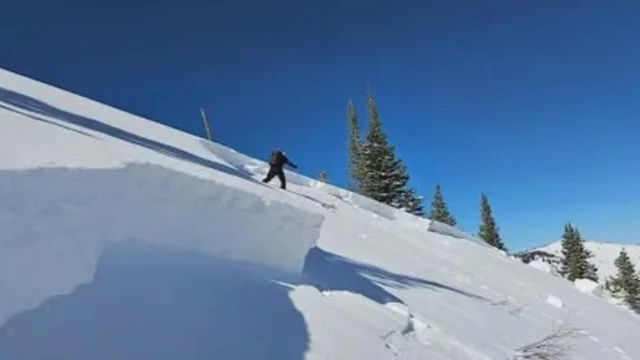
This pattern appears to have developed during the winter season leading up to the avalanche in Boss Basin. Avalanche forecasters explained that long dry stretches earlier in the season allowed fragile layers to form near the surface of the snowpack. Subsequent snowfall then buried those layers, creating an unstable structure within the snowpack.
When new snow accumulates quickly, the pressure placed on those weak layers can trigger a collapse, causing the overlying snow to slide downhill. This process can occur naturally or be triggered by a person traveling across the slope. In many cases, even the weight of a single skier can initiate the slide. Avalanche specialists also highlighted the influence of recent snowfall on regional conditions. Snowstorms during the days leading up to the accident added additional weight to the existing snowpack.
When fresh snow loads an already unstable base layer, the likelihood of avalanches increases significantly. Because these weak layers can persist for extended periods beneath the snow surface, avalanche danger can remain elevated even after storms have ended. This makes it difficult for backcountry travelers to judge conditions based solely on surface appearance. Slopes that appear stable may still contain unstable layers hidden beneath the snow.
The fatal avalanche in Boss Basin occurred during a period when forecasters were warning that such weak layers were present in parts of the region. Avalanche experts routinely issue forecasts and advisories to inform the public about current conditions, but they emphasize that these warnings cannot eliminate the inherent risks of traveling in avalanche terrain.
Backcountry Risks and Avalanche Safety Awareness
The accident has renewed attention on the risks associated with backcountry travel in mountainous regions. While ski resorts typically employ avalanche control measures to reduce hazards within their boundaries, the backcountry environment remains largely unmanaged. Avalanche mitigation at resorts often involves techniques such as controlled explosives, snowpack monitoring, and daily safety patrols. These measures significantly reduce the risk of avalanches for skiers using resort trails.
Outside those boundaries, however, no such mitigation exists. Once a skier leaves a resort’s designated area, they enter terrain where natural conditions determine the level of hazard. Even areas that appear close to resort infrastructure may still be part of the unmanaged backcountry.
Read : 8-Year-Old Skier Injured After Being Struck by Adult Snowboarder at Winter Park Resort
Backcountry skiers often rely on their own training, preparation, and awareness to navigate avalanche risks. Many experienced travelers carry specialized safety equipment, including avalanche beacons, probes, and shovels, which can assist in rescue efforts if someone becomes buried. Avalanche education courses also teach participants how to identify dangerous terrain features, evaluate snowpack stability, and make safer travel decisions in avalanche-prone environments.
Despite these precautions, avalanche accidents still occur each year. Mountain terrain contains many variables that can rapidly change, including weather, temperature, wind patterns, and snow accumulation. These factors interact in complex ways that can make avalanche prediction difficult even for experienced backcountry travelers.
Avalanche safety experts frequently emphasize the importance of planning before entering backcountry terrain. Checking regional avalanche forecasts, studying terrain maps, and traveling with experienced partners can help reduce risk. However, experts also acknowledge that no amount of preparation can completely eliminate the possibility of avalanches.
The fatal accident involving David Pickett-Heaps underscores this reality. Avalanche forecasters noted that they were surprised that Colorado had gone until mid-March without a fatal avalanche during the current ski season. While this statistic reflected a relatively low number of fatalities compared with some previous winters, officials emphasized that each avalanche death is deeply felt by the community of forecasters, rescuers, and outdoor enthusiasts who work to promote mountain safety.
For avalanche professionals, incidents like this reinforce the importance of public awareness and education. Forecasting centers continually gather snowpack data, analyze weather patterns, and publish reports intended to help outdoor users make informed decisions. Their goal is to provide as much information as possible about current conditions so that skiers, snowboarders, and snowmobilers can better evaluate risks before entering avalanche terrain.
Investigators are expected to release a full report detailing the circumstances of the Boss Basin avalanche in the coming days. These reports typically include information about snowpack structure, weather history, terrain characteristics, and the sequence of events leading up to the slide. Such analyses often contribute to broader research on avalanche behavior and safety practices within the backcountry community.
As winter continues in Colorado’s mountains, avalanche forecasters are continuing to monitor conditions across the state. They urge anyone traveling into backcountry areas to remain cautious, carefully evaluate terrain choices, and stay informed about evolving snowpack conditions that can quickly turn a scenic mountain landscape into a potentially dangerous environment.