
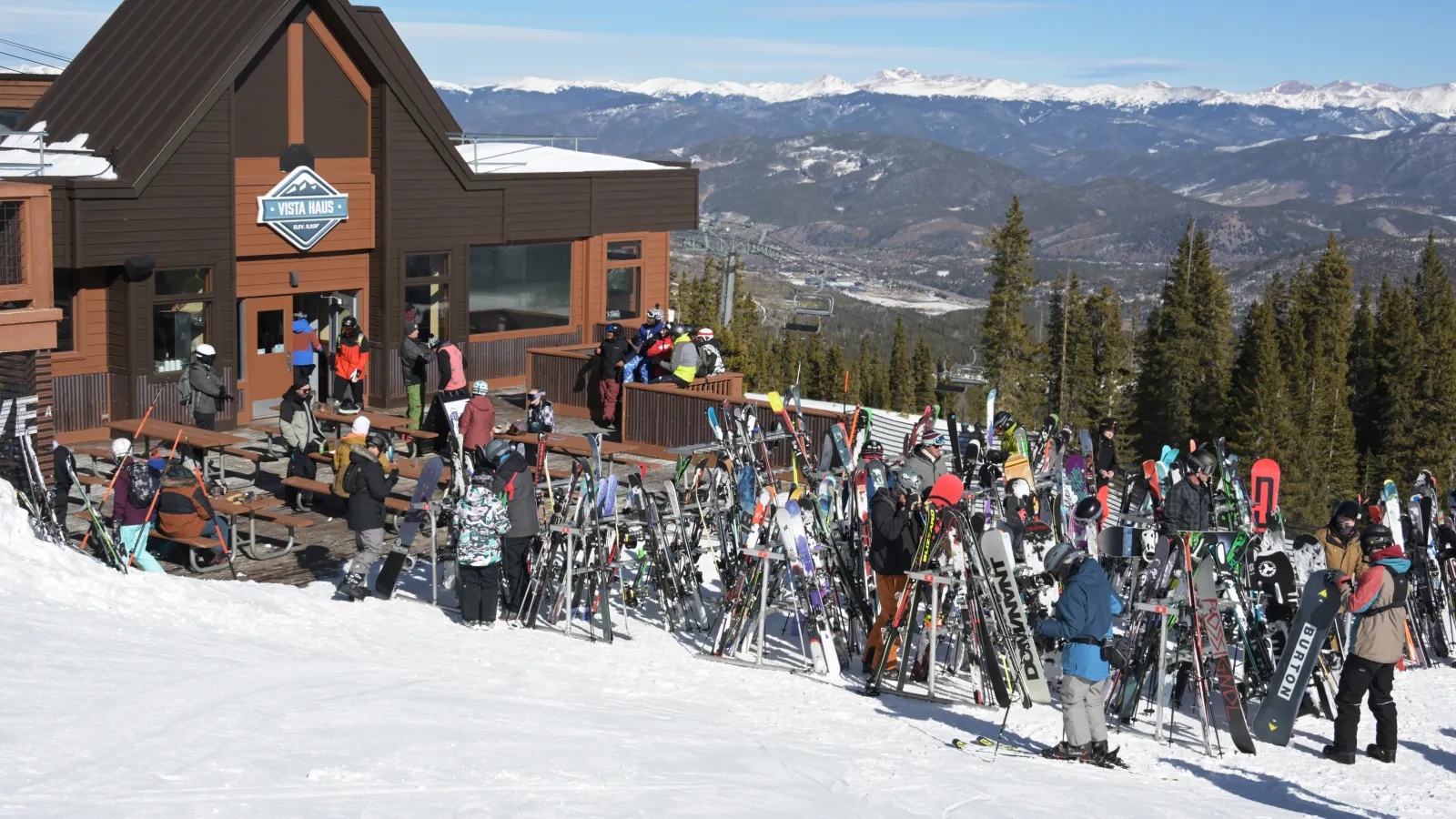
A 55-year-old skier died after a crash at Breckenridge Ski Resort in Colorado, drawing attention to the inherent risks of advanced mountain terrain and the rapid emergency responses required in such situations. According to authorities, the incident occurred on Wednesday afternoon in one of the resort’s most challenging areas. The man, who was visiting from out of state, was skiing alone when he fell while navigating steep terrain known for its technical difficulty.
Despite wearing a helmet and receiving immediate medical assistance from ski patrol personnel, the skier was pronounced dead shortly after being transported to a first aid facility at the resort. Officials from the Summit County Sheriff’s Office have confirmed that no other skiers or riders were involved in the incident, and the investigation into the circumstances surrounding the fall remains ongoing. The tragic accident has prompted expressions of sympathy from local officials and resort management while highlighting the unpredictable dangers associated with high-level skiing environments.
Crash on a Double-Black-Diamond Run
The fatal incident took place in the Lake Chutes area on Peak 8, one of the most demanding sections of the mountain. This terrain is classified as a double-black-diamond hike-to area, meaning it is intended for highly experienced skiers and riders who are comfortable navigating steep slopes, narrow chutes, and variable snow conditions. Unlike many standard ski runs that are easily accessible by lifts, hike-to terrain requires visitors to leave their skis or boards on their feet and climb uphill for a short distance to reach the entry point. These areas often feature natural obstacles, sharp pitch changes, and tight corridors that demand precise control and strong technical ability.
Lake Chutes has long been known among advanced skiers for its dramatic vertical drop and rugged terrain. The chutes are steep gullies carved into the mountainside, and they can contain a mixture of packed snow, wind-blown powder, icy patches, and exposed rocks depending on weather conditions. Skiers entering this area typically do so with the understanding that it offers some of the most extreme terrain available within Breckenridge Ski Resort boundaries.
Authorities said the man was skiing alone when he fell while descending in this section. Witnesses later reported the incident to ski patrol members after noticing the crash. Because the area can be physically demanding and remote compared with more heavily trafficked slopes, immediate assistance often depends on nearby skiers alerting patrol staff. In this case, a witness acted quickly, contacting Breckenridge Ski Patrol members who responded to the location.
Officials confirmed that the skier was wearing a helmet at the time of the fall, which is a common safety precaution among experienced skiers. Helmets significantly reduce the risk of head injury during accidents, but they cannot eliminate all dangers associated with high-speed or high-impact crashes on steep mountain terrain. The exact details of how the fall occurred have not been released as investigators continue to review the circumstances surrounding the incident.
Read : Denmark Recalls Korean Ramen for Being Too Spicy, Citing Potential Poisoning Risk
The crash underscores the difficulty of double-black-diamond terrain, where even highly skilled skiers can encounter sudden challenges. Steep slopes increase speed quickly, while narrow chutes leave little margin for error if a skier loses balance or encounters unexpected conditions. In such areas, a single misstep or momentary loss of control can lead to a serious fall.
Emergency Response and Medical Efforts
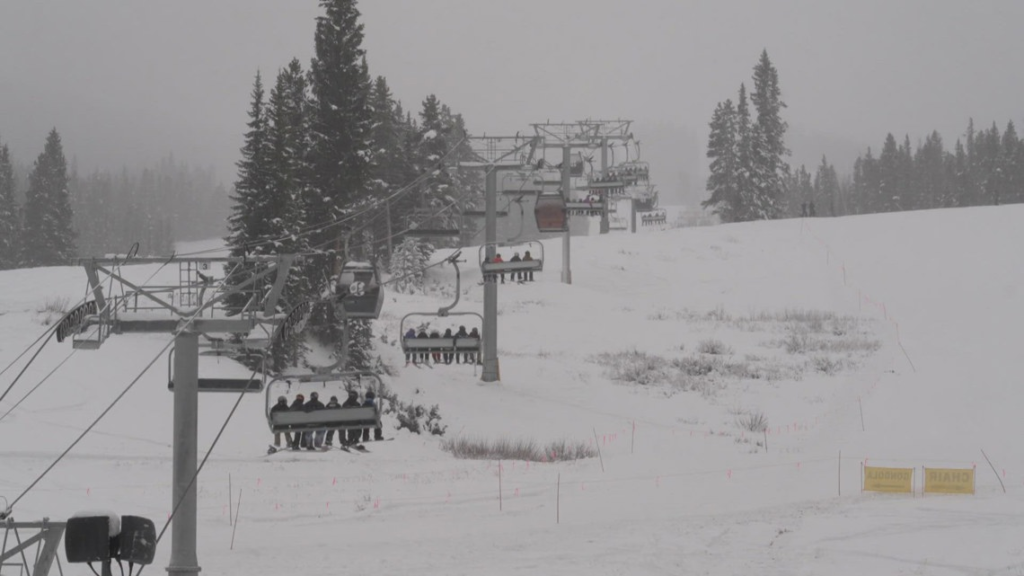
After the witness alerted ski patrol, trained responders from Breckenridge Ski Patrol reached the scene and began providing medical care to the injured skier. Ski patrol teams are specially trained to handle emergencies in mountainous environments, including trauma care, rescue operations, and rapid patient transport on snow-covered terrain. Their role is critical at large ski resorts, where accidents can occur across expansive and often difficult-to-access slopes.
Following initial treatment at the scene, the injured skier was transported by patrol members to the Peak 8 First Aid Room. Ski patrol typically uses rescue toboggans or other specialized equipment to move injured individuals down the mountain safely and efficiently. These transports require significant coordination and skill, particularly in steep or technical terrain where maintaining control of the sled is essential.
Read : 16-Year-Old Olympic Snowboarder Malena Zamfirova Seriously Injured by Drunk Skier
Despite the efforts of the responding team, the skier was pronounced dead after arriving at the first aid facility. Authorities have not yet released the individual’s identity, noting that the Summit County Coroner’s Office will make that information public once family notifications are completed and the investigation progresses.
The coroner’s office will also determine the official cause and manner of death following medical evaluation and examination. Such determinations often involve reviewing medical findings, witness accounts, and environmental conditions at the time of the incident. Until that process is complete, officials generally avoid speculating about the precise factors that led to the fatal outcome.
The Summit County Sheriff’s Office confirmed that no other people were involved in the crash. Investigators have indicated that the skier was alone on the slope when the fall occurred, meaning the incident appears to have been accidental rather than the result of a collision or external factor involving other skiers.
Local authorities and resort officials expressed sympathy for the victim’s family following the tragedy. Sheriff Jaime FitzSimons stated that losses like this are felt deeply within the mountain community, which includes resort staff, first responders, and regular visitors who share the slopes throughout the winter season. Statements from resort leadership similarly offered condolences and support to the skier’s family and friends during the difficult period following the incident.
Risks and Safety Challenges in Expert Terrain
While skiing is widely enjoyed as a recreational activity, the sport carries inherent risks, particularly in areas designated for expert-level participants. Double-black-diamond runs represent the highest level of difficulty within most ski resort trail rating systems. These trails are marked to warn skiers that they may encounter steep pitches, natural hazards, limited grooming, and terrain features that require advanced technical ability.
Lake Chutes, like many extreme terrain zones, is intentionally left in a more natural state compared with beginner and intermediate trails. Resorts typically groom easier runs to create smooth, consistent surfaces, but advanced terrain often remains ungroomed. This means skiers must contend with natural snow formations, moguls, and variations in surface conditions that can change quickly throughout the day.
Weather patterns also play a significant role in shaping mountain conditions. Wind can redistribute snow across slopes, creating both deep powder pockets and icy patches within the same chute. Sun exposure and temperature fluctuations may harden the snow surface or create crust layers that behave unpredictably under skis. Even experienced athletes must constantly adapt their technique to these shifting variables.
Read : Skier David Pickett-Heaps Killed After Being Caught in Avalanche Near Boss Basin
Another factor that increases risk in advanced terrain is speed. Steeper slopes allow skiers to accelerate rapidly, and narrow chutes may offer limited space for turns or recovery if balance is lost. A fall in such areas can lead to tumbling or sliding over considerable distances before coming to a stop.
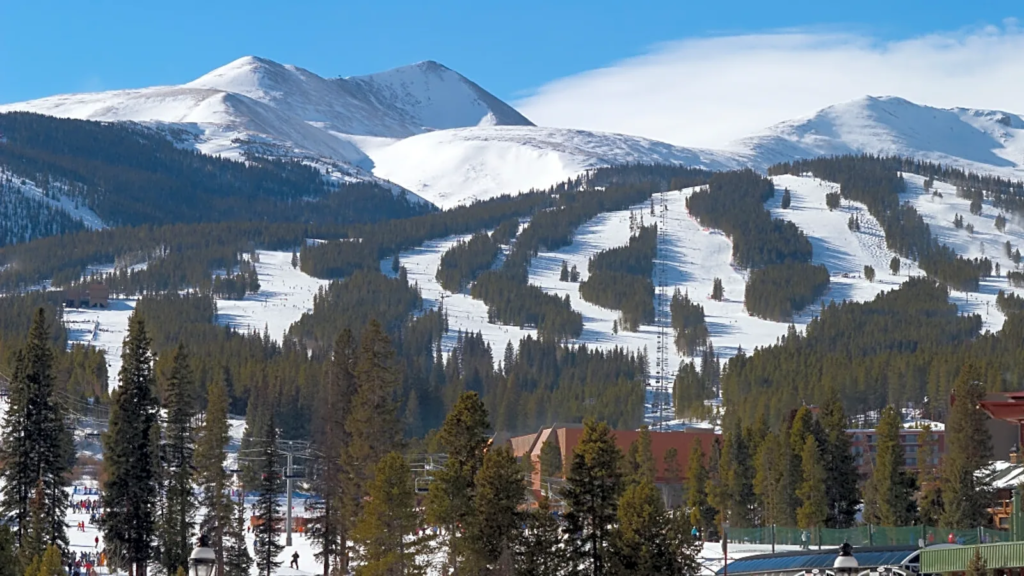
Ski resorts attempt to mitigate these dangers through a combination of signage, boundary markings, avalanche mitigation work, and the presence of trained patrol teams. Trail difficulty symbols and warnings help visitors understand what to expect before entering a particular area. In hike-to zones like Lake Chutes, the extra effort required to reach the terrain also acts as a natural filter, discouraging less experienced skiers from attempting the descent.
Despite these precautions, accidents can still occur even among skilled individuals who are familiar with mountain conditions. Skiing involves high speeds, changing terrain, and physical exertion at elevation, all of which contribute to the unpredictability of the sport. Helmet use has increased significantly across the skiing community over the past two decades, and many resorts actively encourage it as a safety measure. Studies have shown that helmets reduce the likelihood of severe head injuries during falls or collisions.
However, they do not eliminate all potential dangers associated with skiing, especially when crashes occur on steep slopes or involve high momentum. Resort operators and ski patrol teams continuously emphasize situational awareness, proper equipment, and realistic self-assessment of skill level when navigating difficult terrain. Skiers are generally encouraged to remain within the limits of their ability and to pay attention to posted warnings, weather changes, and snow conditions throughout the day.
The fatal crash at Breckenridge Ski Resort has once again drawn attention to the challenging nature of expert mountain terrain. As the investigation continues, officials are working to determine the precise circumstances surrounding the fall while offering support to the victim’s family and acknowledging the impact of the loss within the wider mountain community.