
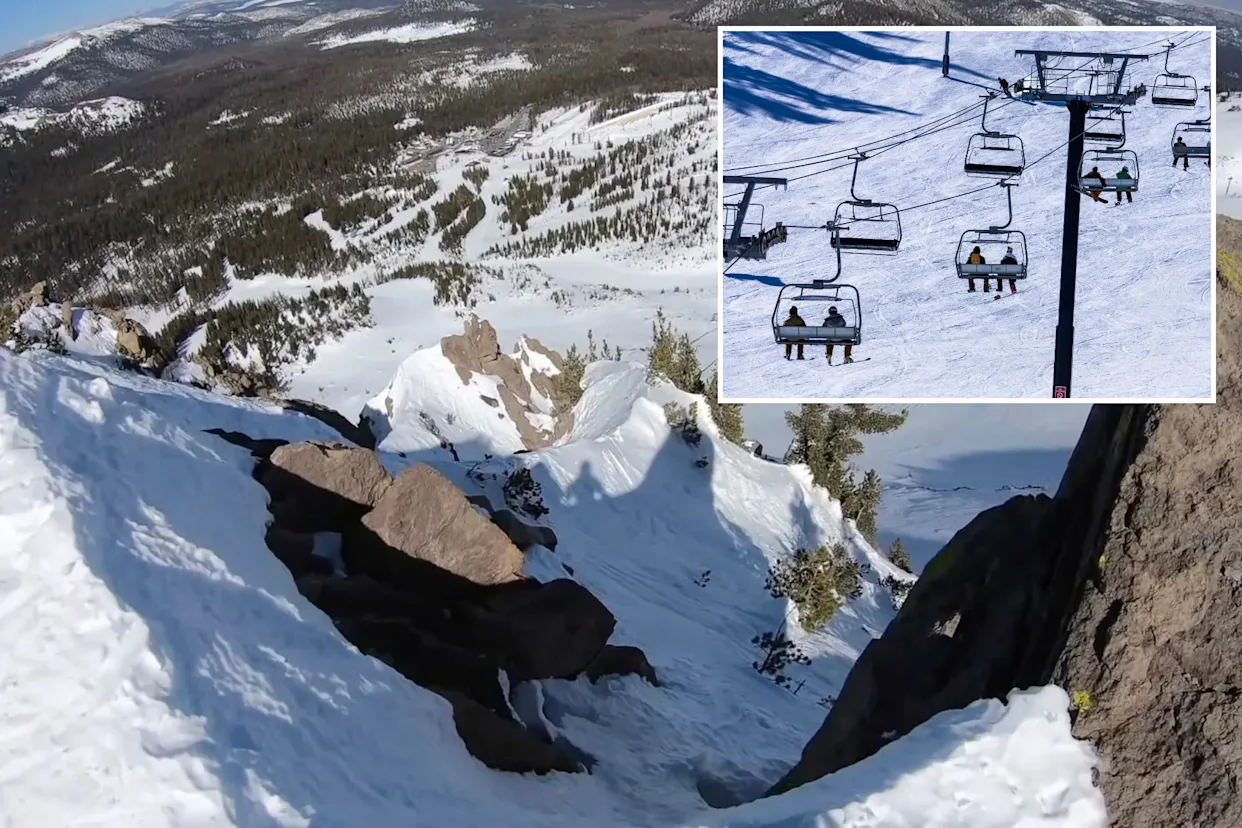
A fatal skiing accident on Mammoth Mountain in California has once again drawn attention to safety risks on expert-level terrain at major ski resorts. On February 5, a skier died after falling on “Dropout 2,” one of the mountain’s steepest marked runs, making this the fourth reported death at Mammoth Mountain during the current winter season. Resort officials confirmed that ski patrol responded within minutes and provided emergency care, but the individual later died at a local hospital.
The incident occurred during a period of active winter conditions and heightened visitor traffic, underscoring the challenges ski resorts face in balancing access to advanced terrain with risk management and emergency response. As investigations and notifications continue, the death adds to a growing list of serious incidents that have occurred at Mammoth Mountain this winter, prompting renewed discussion around safety, experience levels, and the inherent dangers of high-consequence runs.
Details of the February 5 Accident on Dropout 2
The skier involved in the February 5 incident attempted Dropout 2, an expert-level run descending from Mammoth Mountain’s summit ridge at an elevation of approximately 11,000 feet. Dropout 2 is known for its steep pitch, exposed sections, and technical demands, characteristics that make it suitable only for highly experienced skiers. According to Mammoth Resorts, the accident occurred shortly before 1:00 p.m. local time. Ski patrol arrived at the scene at approximately 1:04 p.m., around four minutes after the incident was reported, and immediately began life-saving efforts.
Witness accounts posted on social media platforms described the skier losing control and popping out of their skis before sliding headfirst down the run for a considerable distance. Several individuals who were on nearby chairlifts reported seeing the skier strike rocks while descending the slope. According to these accounts, the skier continued to slide while unconscious for hundreds of feet, leaving visible signs of injury along the trail. Another skier who was reportedly accompanying the victim was seen attempting to reach them while calling for help.
Ski patrol members were observed performing cardiopulmonary resuscitation at the scene before transporting the skier off the mountain. The individual was taken to Mammoth Hospital for further treatment, where they were later pronounced dead. Resort officials stated that notification of next of kin was still pending at the time details were released publicly, and the skier’s identity has not yet been shared.
Read : Truth Behind Viral Pic of Russian Army Soldier’s Boots Made in Bihar
Following the incident, resort officials temporarily closed the affected area of the mountain to allow emergency responders to work and to ensure the safety of other guests. Such closures are standard protocol after serious accidents, particularly on steep or high-risk terrain. While Mammoth Mountain has not released additional details about the skier’s experience level or the specific conditions on Dropout 2 at the time of the fall, the run’s reputation as one of the resort’s most challenging trails has been widely noted.
A Winter Season Marked by Multiple Fatal Incidents
The February 5 death marked the fourth reported fatality at Mammoth Mountain during the current winter season, a figure that has raised concern among both the skiing community and the general public. Earlier incidents occurred on Christmas Day, December 26, and January 16, involving individuals of varying ages and circumstances.
On December 25, Raymond Albert, a 71-year-old skier widely known as “Every Day Ray,” died after an accident on the mountain. According to reports provided to his family and cited by local media, Albert had popped out of his skis and was found pitched forward, with his head in the snow and his feet elevated. Albert was a well-known figure at Mammoth Mountain, recognized for his frequent skiing and familiarity with the resort. His death on Christmas Day was one of the earliest indicators that the season would be a particularly difficult one.
Read : 61-Year-Old Female Skier Dies at Park City Mountain Resort
The following day, December 26, tragedy struck again when 30-year-old ski patroller Cole Murphy died after becoming trapped in an avalanche while on duty. Murphy had been critically injured and hospitalized before succumbing to his injuries. His death resonated strongly within the ski patrol and broader mountain safety community, highlighting the risks faced not only by guests but also by trained professionals working in high-alpine environments. Mammoth Mountain issued a public statement expressing sorrow and honoring Murphy’s dedication to the mountain and its guests.
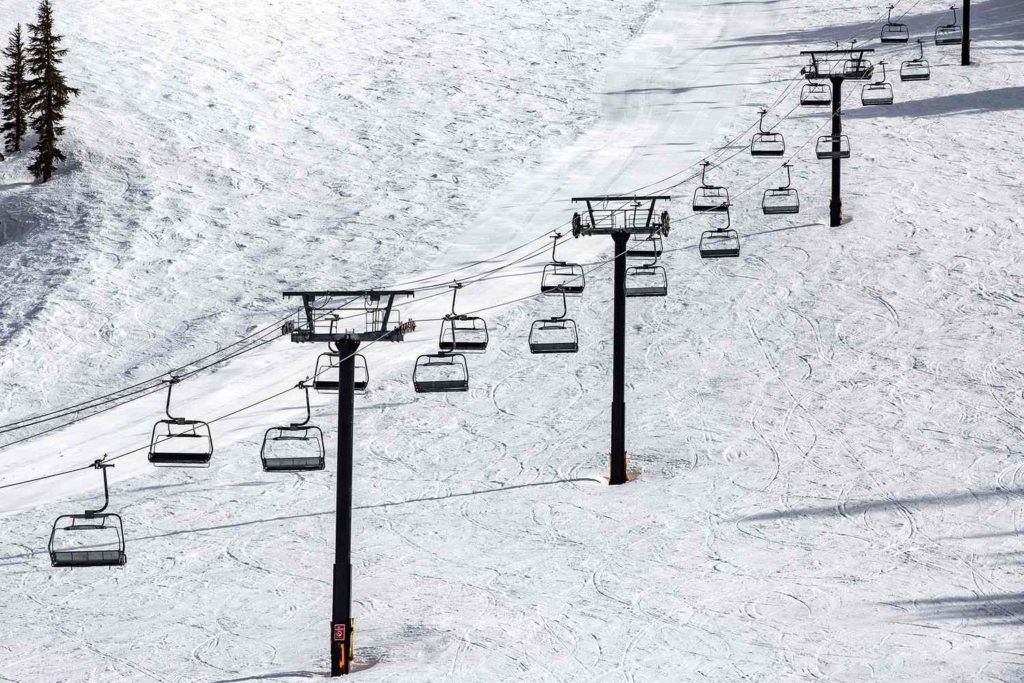
Another fatal incident occurred on January 16, when an unnamed snowboarder was pronounced dead following an accident on the mountain. Details surrounding that incident were limited, but it further contributed to the season’s growing toll. In addition to these fatalities, Mammoth Mountain was also the site of a highly publicized non-fatal incident on January 31, when a 12-year-old girl was captured on video dangling from a ski lift before falling to the ground.
While the girl did not sustain serious injuries, the incident drew widespread attention and raised questions about lift safety and supervision. Together, these events have made the current winter season one of the most tragic in recent memory for Mammoth Mountain. While ski resorts inherently carry risk, the clustering of fatal incidents within a relatively short time frame has intensified scrutiny of safety practices, terrain management, and visitor awareness.
Expert Terrain, Risk Awareness, and Ongoing Safety Concerns
Mammoth Mountain is one of California’s most prominent ski destinations, attracting visitors from across the state and beyond. Its extensive terrain includes beginner slopes, intermediate runs, and some of the most challenging expert-level trails in the region. Runs like Dropout 2 are clearly marked as expert terrain, and resort officials consistently emphasize that such trails are intended only for highly skilled skiers who understand and accept the associated risks.
Read : Skier Triggers Avalanche Outside Lake Louise Ski Area Boundary in Banff National Park
Expert-level runs often involve steep gradients, variable snow conditions, exposed rocks, and limited margins for error. A fall on such terrain can quickly escalate into a high-speed slide with severe consequences, particularly if a skier loses their equipment or strikes natural obstacles. Even with helmets and other protective gear, the forces involved in long slides on steep slopes can result in catastrophic injuries.
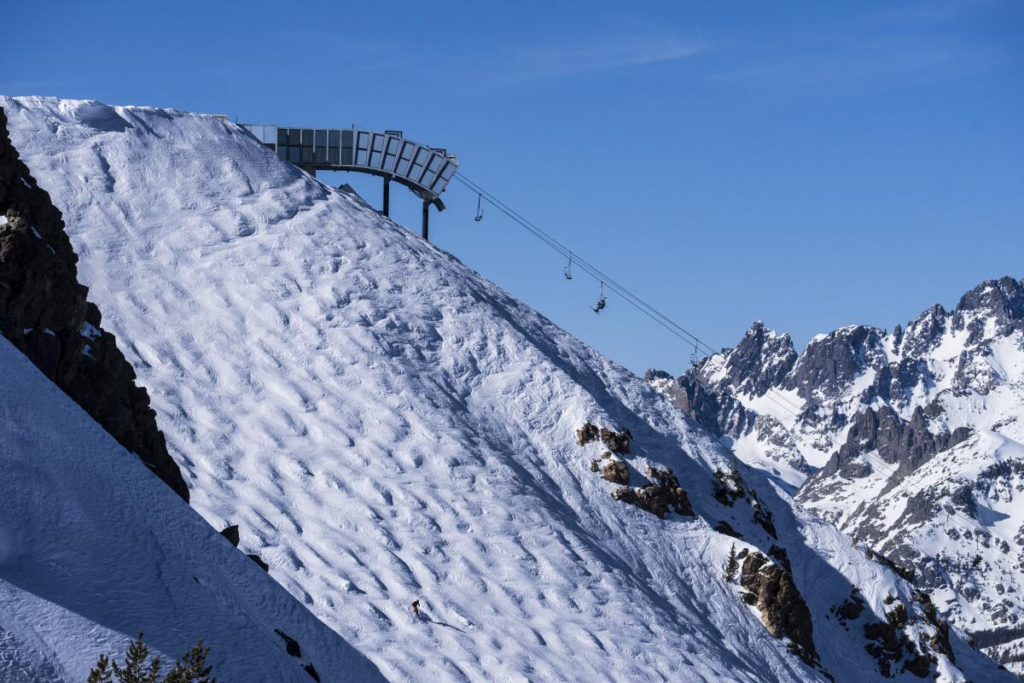
Ski resorts rely on a combination of signage, trail ratings, patrol presence, and public education to mitigate these risks. However, personal judgment remains a critical factor. Skiers must assess their own skill levels, physical condition, and familiarity with terrain before attempting advanced runs. Changing weather conditions, snowpack variability, and crowd levels can further influence the difficulty and danger of expert trails.
The series of incidents at Mammoth Mountain this winter has also highlighted the importance of rapid emergency response. In the February 5 case, ski patrol reached the injured skier within minutes and administered immediate care, reflecting established response protocols. Despite these efforts, the severity of injuries sustained on steep expert terrain can exceed what even the fastest response can overcome.
Industry experts note that fatalities at ski resorts, while relatively rare compared to overall visitation numbers, tend to involve high-speed collisions, falls on steep slopes, or interactions with natural hazards. As resorts continue to promote access to challenging terrain, maintaining clear communication about risks and ensuring that guests understand trail ratings remains essential.
Mammoth Mountain has not indicated any immediate changes to its operations following the February 5 incident, but resort officials have reiterated their commitment to guest safety and cooperation with any investigations. As the winter season continues, the recent deaths serve as a reminder of the inherent dangers of alpine sports and the need for constant vigilance by skiers, snowboarders, and resort operators alike.