
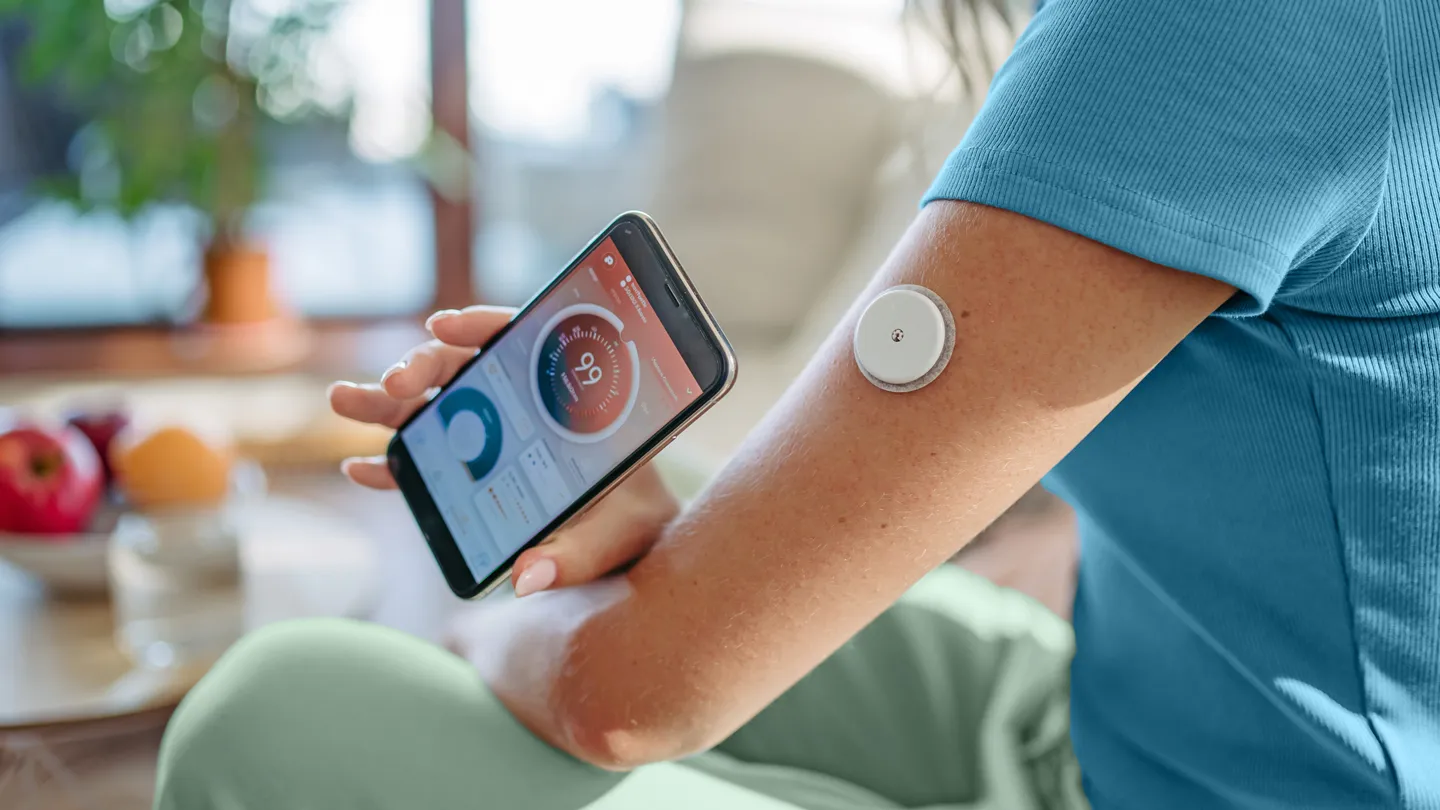
In a groundbreaking leap for medical diagnostics, a new smartphone-based test for type 2 diabetes risk has been introduced, promising to transform how we detect and manage this chronic condition. Developed by the UK-based digital health diagnostics company PocDoc, this innovative technology, known as the “Diabetes Health Check,” utilizes the gold-standard HbA1c biomarker to assess diabetes risk in under 10 minutes.
This development is not just a technological marvel but a potential lifeline for millions, especially in regions like the UK, where type 2 diabetes affects approximately 5.2 million diagnosed individuals, with an estimated 1.3 million more undiagnosed. The ability to screen for diabetes risk quickly and conveniently using a smartphone could redefine preventative healthcare, reduce the burden on healthcare systems, and empower individuals to take control of their health.
The Technology Behind the Smartphone-Based Diabetes Test
The PocDoc Diabetes Health Check is a pioneering solution that combines cutting-edge smartphone technology with the reliability of HbA1c testing, a method widely regarded as the gold standard for diabetes diagnosis. HbA1c, or glycated hemoglobin, measures average blood glucose levels over the past two to three months, providing a comprehensive picture of an individual’s glucose control. Unlike traditional HbA1c tests, which require a visit to a healthcare facility, lab processing, and often weeks or months for results, PocDoc’s test is designed for accessibility and speed.
The testing process is remarkably straightforward. Users obtain a small blood sample via a finger prick, which is then applied to a patented microfluidic assay—a specialized testing strip designed to interact with the blood sample. The user scans the assay using the PocDoc app on their smartphone, leveraging the device’s camera and proprietary PocDocOS technology to analyze the sample. Within minutes, the app delivers a result indicating the user’s type 2 diabetes risk based on their HbA1c levels.
This rapid turnaround is a game-changer, as it eliminates the delays associated with traditional testing methods, which can discourage individuals from seeking timely diagnosis and intervention. The technology’s portability and ease of use make it suitable for various settings, including homes, workplaces, community centers, and clinical environments. This versatility ensures that the test can reach underserved populations who may lack easy access to healthcare facilities.
Read : Iconic! Mattel Launches Barbie Doll with Type 1 Diabetes Outfitted with Medical Devices
The test’s design aligns with the UK government’s 10-year NHS plan, announced in July 2025, which emphasizes digital prevention and community-based care. By integrating with everyday smartphones, PocDoc’s solution democratizes diabetes screening, making it as simple as taking a photo or sending a text message. The company’s prior success with the “Healthy Heart Check,” a smartphone-based cardiovascular screening test, underscores its expertise in developing reliable, user-friendly diagnostic tools.
Impact on Public Health and the NHS
The introduction of the Diabetes Health Check comes at a critical time for the UK, where type 2 diabetes poses a significant public health challenge. With 5.2 million diagnosed cases and an additional 1.3 million undiagnosed, the condition places an estimated £8.8 billion annual burden on the NHS, with projections suggesting this could rise to £16.9 billion in the next 25 years.
Early detection is crucial, as research indicates that lifestyle modifications can reduce the risk of developing type 2 diabetes by up to 50%. By providing a rapid, accessible screening tool, PocDoc’s technology addresses this need head-on, enabling individuals to identify their risk early and make informed decisions about diet, exercise, and medical consultation.
Read : Mother Jailed for Killing 4-Year-Old Diabetic Daughter by Feeding Her Mountain Dew in US
The NHS has recognized the potential of this technology, launching a pilot program in the North East and North Cumbria region, commissioned by Health Innovation North East and North Cumbria. This initiative aims to test the Diabetes Health Check in real-world settings, with plans for a broader UK rollout later in 2025.

Professor Julia Newton, medical director at Health Innovation Northeast and North Cumbria, emphasized the test’s potential to save lives through early detection and prevention. By identifying at-risk individuals before the disease progresses, the test supports the NHS’s shift toward preventative care, reducing the incidence of costly complications such as kidney failure, heart disease, and diabetic retinopathy.
Beyond individual health benefits, the test could alleviate pressure on frontline NHS services. Traditional diabetes screening often involves multiple appointments, laboratory tests, and follow-ups, straining an already overburdened healthcare system. The smartphone-based approach streamlines this process, allowing patients to screen themselves at home or in community settings, reserving clinical resources for those requiring advanced care.
This aligns with the NHS’s goal of delivering personalized, digitally enabled care, as outlined in its 10-year strategy. By empowering individuals to monitor their health proactively, the Diabetes Health Check could reduce hospital admissions and long-term healthcare costs, making it a vital tool for a sustainable NHS.
The Broader Landscape of Diabetes Technology
The PocDoc Diabetes Health Check is part of a broader wave of technological advancements revolutionizing diabetes care. Over the past decade, innovations such as continuous glucose monitors (CGMs), smart insulin pens, and automated insulin delivery systems have transformed how individuals manage diabetes. CGMs, for example, measure glucose levels in real-time through sensors placed on the skin, providing data to smartphone apps for easy monitoring.
Devices like the FreeStyle Libre by Abbott and the Eversense implantable CGM by Senseonics have reduced the need for painful finger pricks, improving quality of life for millions. These devices, paired with smartphone apps, offer insights into glucose trends, helping users make informed decisions about diet, exercise, and medication.
Smart insulin pens, another growing market, integrate with smartphone apps to calculate and track insulin doses, offering reminders and reports to enhance adherence. These devices are particularly beneficial for individuals with type 1 diabetes or insulin-dependent type 2 diabetes, as they simplify the complex task of insulin management.

Meanwhile, automated insulin delivery systems, often referred to as “artificial pancreas” systems, combine CGMs with insulin pumps to automatically adjust insulin doses based on real-time glucose readings. Systems like Tandem’s t:slim X2 and Insulet’s Omnipod 5, which received FDA clearance in recent years, represent significant strides toward fully automated diabetes management.
Non-invasive glucose monitoring is another frontier gaining traction. Companies like DiaMonTech are developing devices such as the D-Base, which uses infrared lasers to measure glucose levels through the skin, and the D-Pocket, a handheld version aimed at portability.
Similarly, NovioSense is exploring a device placed under the eyelid to measure glucose in tear fluid, while Meta Materials is advancing glucoWISE, a non-invasive sensor with promising early trial results. Although challenges remain in achieving the accuracy of traditional blood-based tests, these innovations highlight the industry’s commitment to reducing the invasiveness of diabetes monitoring.
The integration of smartphones into diabetes care extends beyond diagnostics. Apps like Glucose Buddy and Diabetes Diary assist with carbohydrate counting, insulin dose calculations, and data logging, improving self-management. Studies, such as one by Rhyner et al., have shown that apps like Glucose Buddy can estimate carbohydrate content with higher accuracy than manual methods, enhancing glycemic control.
Similarly, VoiceDiab, tested in a clinical trial, improved postprandial glucose control in type 1 diabetes patients. These tools, combined with PocDoc’s Diabetes Health Check, illustrate the growing role of mobile health (mHealth) in empowering patients and supporting healthcare providers. However, the rapid proliferation of diabetes apps raises concerns about quality and regulation.

The American Diabetes Association notes that while some apps are FDA-approved, others lack rigorous validation, posing risks of inaccurate data or privacy breaches. Established platforms like Tidepool and Glooko prioritize data security and compliance, setting a standard for future developments. As the global market for diabetes diagnostics is projected to reach $59.4 billion by 2030, ensuring the reliability and accessibility of these technologies will be critical.
The PocDoc Diabetes Health Check stands out in this landscape for its simplicity and alignment with preventative care goals. Unlike CGMs or insulin delivery systems, which cater primarily to diagnosed patients, this test targets the undiagnosed and at-risk populations, filling a critical gap in early detection. Its potential to integrate with other diabetes management apps could further enhance its utility, creating a seamless ecosystem for monitoring and managing diabetes risk.
The launch of PocDoc’s smartphone-based Diabetes Health Check marks a pivotal moment in diabetes care, offering a fast, accessible, and reliable method to assess type 2 diabetes risk. By leveraging the ubiquitous smartphone and the proven HbA1c biomarker, this technology empowers individuals to take charge of their health while supporting the NHS’s vision for a digitally enabled, preventative healthcare system. Its potential to reduce the financial and human toll of diabetes is immense, particularly in the UK, where the disease’s prevalence and costs continue to rise.
As part of a broader wave of diabetes technology advancements, the Diabetes Health Check underscores the transformative power of innovation in healthcare. From non-invasive glucose monitors to smart insulin delivery systems, these tools are making diabetes management more precise, less invasive, and more patient-centered.
However, the success of such technologies depends on rigorous validation, equitable access, and integration into comprehensive care strategies. As PocDoc prepares to expand its test across the UK and potentially internationally, it sets a new standard for what medical diagnostics can achieve, proving that a smartphone can be more than a communication device—it can be a lifesaver.