
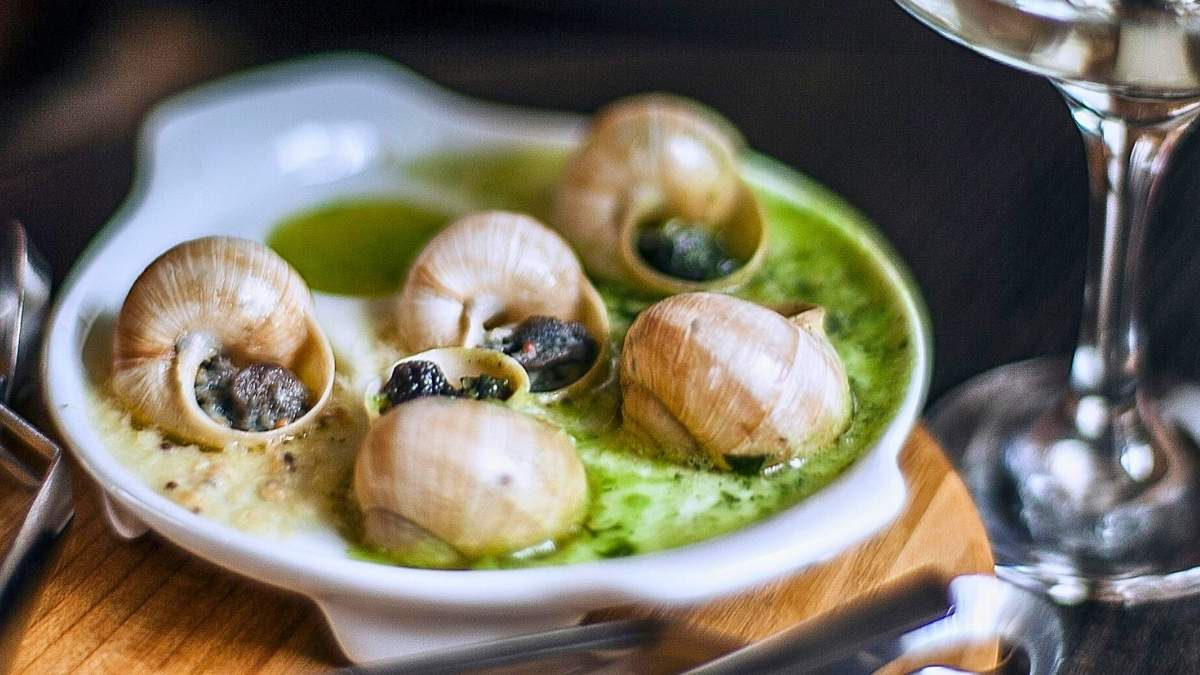
The theft of 450 kilograms of snail meat from L’Escargot des Grands Cols in France’s Champagne region has shaken one of the country’s most respected escargot producers at the height of the holiday season. The incident, which occurred overnight between Sunday and Monday, stripped the farm of its entire annual production, valued at around €90,000, and left producer Jean-Mathieu Dauvergne confronting a crisis unlike anything he has seen in his career.
With Christmas approaching and demand from fine restaurants surging, the loss has sent shockwaves through both the farm and the culinary community that relies on its exceptional products. As France prepares for one of its most festive culinary seasons, the theft has raised questions about the vulnerability of artisanal producers, the growing black market for luxury food items, and the increasing sophistication of criminal networks targeting high-value agricultural goods.
The Scale and Impact of the Theft
The disappearance of such a vast quantity of snail meat is extraordinary both in its scale and in its economic implications. According to Jean-Mathieu Dauvergne, the stolen 450 kilograms of fresh and frozen snails represented approximately 10,000 prepared servings—an output that took the farm an entire year to produce. Snail farming, known as heliciculture, is a long and labor-intensive process that involves careful environmental control, breeding management, and specialized storage methods.
Losing a full year’s work overnight poses not only an immediate financial setback but also a profound operational challenge, as such production cannot simply be replaced quickly. The thieves appear to have executed their break-in with precision and planning. Jean-Mathieu Dauvergne reported that the perpetrators cut through the farm’s fencing, forced entry by breaking down a door with a crowbar, and disabled lighting and detection systems before targeting the cold storage rooms where the snail meat was kept.
This level of coordination led local law enforcement, including Commander Rémi Dubois of the Épernay police, to conclude that the individuals involved were likely experienced and professional. The stolen cargo is notable for its unusual nature: raw snail meat, especially at such scale, cannot easily be resold unless the buyers are knowledgeable and prepared to handle a highly perishable and tightly regulated food product.
For L’Escargot des Grands Cols, the timing of the theft could not have been worse. December is the busiest and most lucrative period for the snail industry, particularly in France, where escargot remains a cherished delicacy on holiday menus. Many of the stolen snails were destined for Christmas deliveries to high-end restaurants, including the Michelin-starred Domaine les Crayères in Reims, where they are featured in signature puff-pastry preparations.
Read : 35-Year-Old Pet Tortoise Stolen from Home While Owner Was on Vacation
Losing this supply not only disrupts the farm’s holiday revenue but also damages its hard-earned reputation for reliability and excellence. In the world of fine dining, consistency is critical, and any failure to deliver—even under extraordinary circumstances—can have lasting consequences. For Jean-Mathieu Dauvergne, who discovered the theft early Monday morning, the experience was one of profound shock and disbelief.
Read : Car Theft Capital of the World: Canada Ranks First with One Car Stolen Every Five Minutes
In public statements and interviews, he emphasized both the emotional and practical toll of the incident. The farm, which has gained increasing recognition within the French gastronomic community, now faces the daunting task of rebuilding its inventory while scrambling to secure alternative sources to fulfill urgent orders. The heightened visibility that has benefited the business in recent years appears to have made it a target, as Jean-Mathieu Dauvergne acknowledged that growing notoriety likely attracted the criminals seeking high-value agricultural products.
A Rare and Organized Crime in the French Food Sector
Though France is no stranger to thefts of wine, cheese, truffles, and other specialty foods, the heist at L’Escargot des Grands Cols stands out because of the unusual nature of the product stolen and the logistical complexity involved in transporting and preserving such a large amount of raw snail meat. There are currently around 271 snail farms in France, a relatively small and specialized sector within the broader agricultural landscape.
This niche environment makes thefts of this magnitude nearly unheard of and raises questions about how the stolen goods might be distributed or processed outside legitimate supply chains. The French consume roughly 14,300 tonnes of snails per year, but the vast majority—around 95 percent—are imported. Domestic production is therefore particularly valuable and often prized for its quality and traceability.
L’Escargot des Grands Cols has established itself as a standout in this small but competitive field, supplying some of the most prestigious restaurants in the country. With its increasing renown, the farm’s products carry not only a monetary value but also a brand value that is difficult to replicate or replace. For this reason, many of the restaurants that rely on Jean-Mathieu Dauvergne’s snails have indicated that they would prefer to remove escargot from their menus rather than substitute them with products from lesser-known or less-trusted sources.
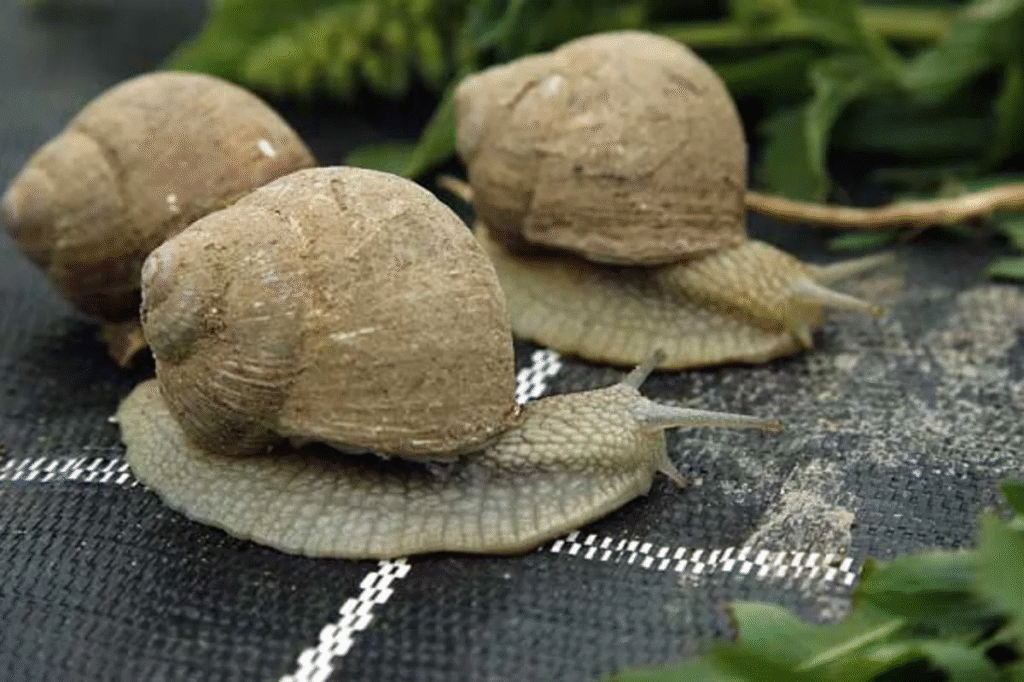
The possibility that an organized network orchestrated the theft suggests that luxury agricultural goods are becoming a growing target for coordinated criminal activity. Over recent years, France has seen a rise in food-related thefts, particularly high-end wines, spirits, and specialty foods that command premium prices on the black market.
The complexity of handling raw snails—requiring cold storage, knowledge of food safety protocols, and access to potential buyers willing or able to process the product—narrows the pool of possible perpetrators and motivations. It points to a level of expertise inconsistent with opportunistic theft and more aligned with black-market supply operations or trafficking networks familiar with the culinary sector.
For law enforcement, tracking the stolen snail meat poses several challenges. Unlike luxury wines or gourmet cheeses that bear distinctive labels or markings, raw snail meat is difficult to trace once removed from its original packaging. Without immediate leads, the investigation relies heavily on surveillance footage, forensic analysis of the break-in site, and potential intelligence within the tight-knit community of snail producers and distributors.
Commander Dubois’s comparison of the snails’ value to that of champagne underscores the surprising yet substantial worth of the stolen goods. Although snail farming occupies a small place in French agriculture, the high demand during holiday seasons elevates its economic significance. The theft not only undermines the stability of one farm but also highlights how vulnerable artisanal producers can be in the face of criminal enterprises targeting luxury food markets.
Rebuilding After the Loss and the Road Ahead
In the aftermath of the theft, Jean-Mathieu Dauvergne and his team have moved quickly to mitigate the impact on their clients and preserve the farm’s standing within the culinary world. One of the most challenging aspects has been the impossibility of rapidly replacing the lost inventory.
Read : Alexander Dennis Jr. Charged After Trying to Run Over Facebook Date Twice with Stolen Car
Snail farming follows a biological cycle that cannot be expedited without compromising quality, making the farm dependent on sourcing snails from other producers. This strategy, while necessary, presents its own difficulties: high-end restaurants accustomed to the unique characteristics of L’Escargot des Grands Cols’ products may resist substituting them with alternatives, even if sourced from reputable suppliers.
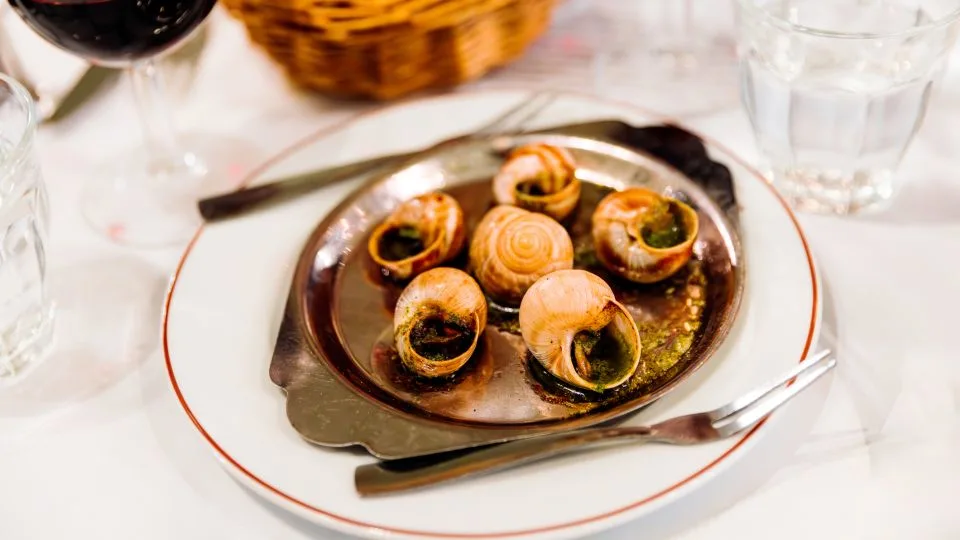
Jean-Mathieu Dauvergne has expressed that some of his restaurant partners have already signaled their reluctance to accept replacement snails, preferring instead to remove escargot dishes from their Christmas menus entirely. For restaurants that pride themselves on consistency and excellence, introducing a substitute ingredient—particularly one central to a signature dish—could be seen as compromising their culinary identity.
This reaction reflects not only the strong reputation of Jean-Mathieu Dauvergne’s farm but also the delicate relationship between producers and chefs in the fine dining world, where trust and quality are paramount. Despite the setback, the farm is working tirelessly to salvage what it can of the holiday season. In public communications, Dauvergne has conveyed both gratitude for the support he has received and determination to recover from the blow.
The incident has prompted discussions within the snail-farming industry about the need for enhanced security measures, improved surveillance systems, and better collaboration with local authorities to protect against similar attacks. Given the relatively small size of the sector, producers may also consider forming cooperative networks to share information on potential threats and develop contingency plans for supply disruptions.
Looking ahead, the theft may have broader implications for the French culinary supply chain. As consumer demand for high-quality, locally sourced ingredients continues to rise, so too does the market value of artisanal agricultural products. This increased value, while beneficial for producers, also attracts unwanted attention from organized groups seeking profits through illegal means. The incident at L’Escargot des Grands Cols serves as a reminder that even niche sectors can face significant risks and that protecting these valuable culinary traditions requires both vigilance and support from the wider community.
For now, Dauvergne and his team remain committed to restoring their operations and meeting their obligations as best as possible under extraordinary circumstances. Their experience highlights the fragility of small-scale farming ventures and the enduring importance of local producers in maintaining the richness of French gastronomy. As the investigation continues and the farm works to rebuild, the culinary world watches closely, hoping that L’Escargot des Grands Cols will emerge from this crisis with renewed strength and continued recognition for the excellence that made it such a valued part of France’s gastronomic heritage.
Hey Rwandans, Betwinner has a site dedicated just for you! Localized offers and all that jazz. Worth checking out if you’re looking for some familiar comforts: betwinnerrwanda