
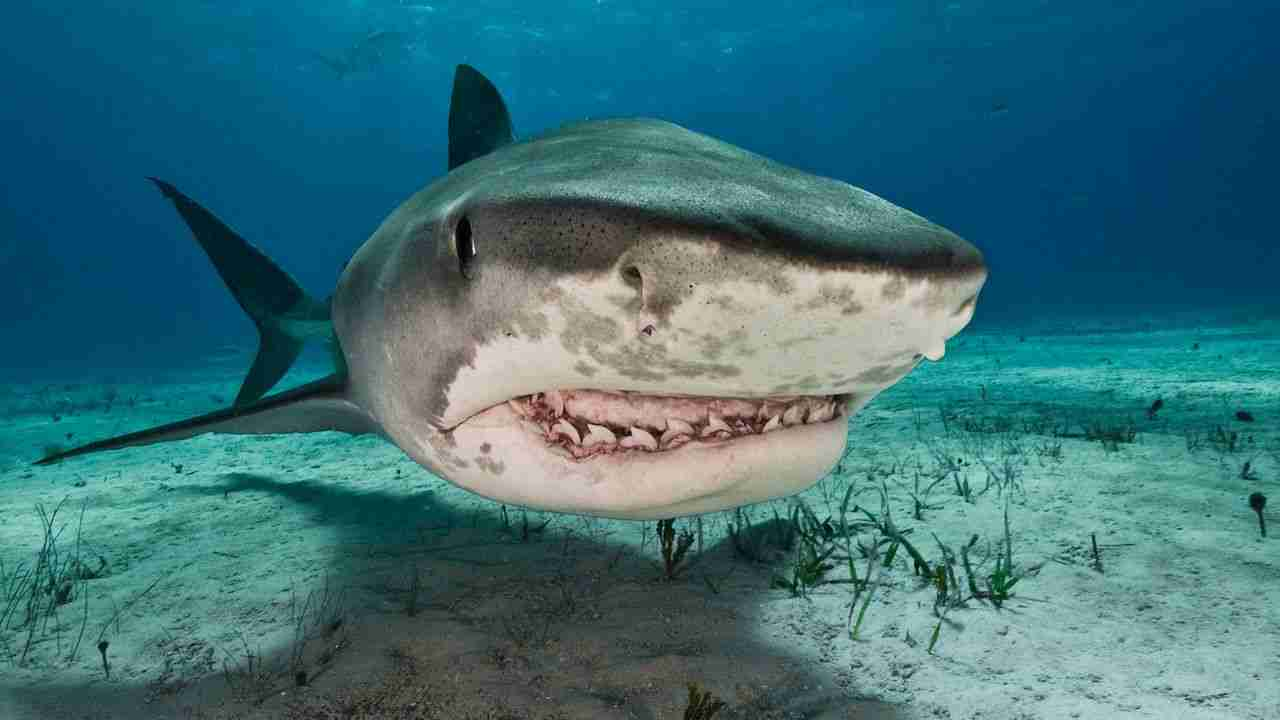
The waters of Australia’s Great Barrier Reef are known worldwide for their remarkable marine biodiversity and crystal-clear snorkeling conditions, attracting thousands of visitors each year eager to explore coral reefs and vibrant sea life. While the region is generally considered safe for recreational water activities, encounters with marine wildlife occasionally lead to dangerous incidents.
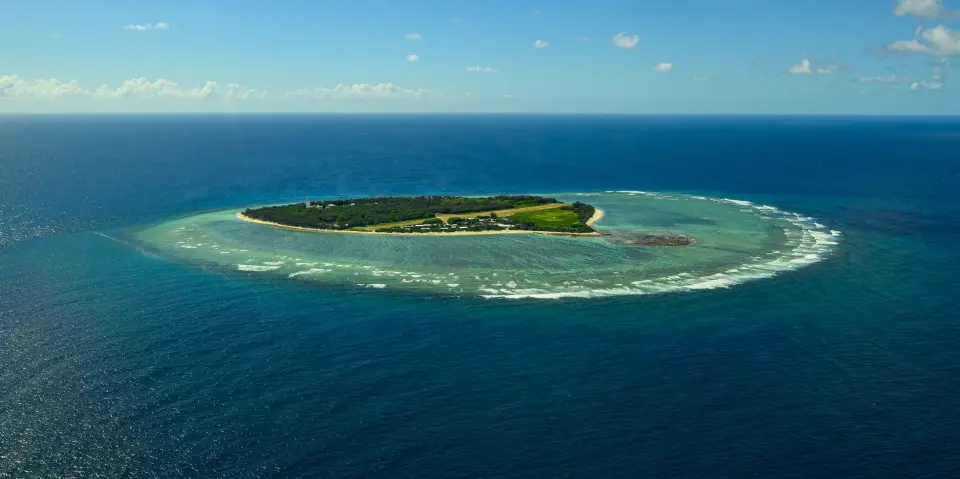
One such event unfolded on March 5 when a man in his fifties was bitten by a shark while snorkeling near Lady Elliot Island, a remote coral cay located at the southern tip of the reef. The attack left the man with puncture wounds on his hand and deep lacerations to his arm, prompting an emergency response that included an airlift to hospital for medical treatment. The incident occurred during a morning snorkeling outing involving the injured man and two companions.
Although shark encounters in the region are rare, the episode underscores the unpredictable nature of wildlife interactions in open ocean environments. The man managed to swim back to shore after the attack and was later transported by helicopter to Bundaberg Hospital, where he received further medical care. Authorities reported that despite the seriousness of his injuries, he remained in stable condition. The event also led to precautionary closures of nearby snorkeling areas while marine experts began monitoring the waters around the island.
Shark Encounter During Morning Snorkeling Trip
The attack took place early in the morning at approximately 8:00 a.m., a time when snorkelers often take advantage of calm sea conditions and improved underwater visibility. The injured man had been snorkeling with two friends in the waters surrounding Lady Elliot Island, an area renowned for its coral reefs and marine life. The island lies within the southernmost section of the Great Barrier Reef and is frequently visited by divers and snorkelers hoping to see manta rays, sea turtles, reef sharks, and colorful coral ecosystems.
During the snorkeling excursion, the man was bitten by a shark, suffering injuries described by emergency responders as puncture wounds to the hand and deep lacerations to the right arm. Although the exact circumstances of the encounter remain unclear, the man was able to swim back toward shore despite his injuries. His companions accompanied him to safety, and together they alerted staff at the nearby island resort who quickly initiated emergency procedures.
Staff members at the island responded immediately, providing first aid and stabilizing the injured snorkeler while coordinating with emergency services. Their rapid response played a crucial role in managing the situation before medical teams arrived. Once emergency personnel reached the island, the man was prepared for air evacuation so he could receive specialized treatment at a hospital on the mainland.
Read : German City Temporarily Renamed “Swiftkirche” to Honor Taylor Swift
The presence of trained staff and emergency coordination protocols on the island helped ensure that the injured snorkeler received prompt assistance. Remote reef locations can present logistical challenges during medical emergencies, making rapid communication and organized response systems essential for visitor safety. In this case, those procedures allowed rescuers to stabilize the patient and transfer him to advanced medical care without delay.
Emergency Rescue and Medical Response
Following the attack, emergency medical teams were dispatched to Lady Elliot Island to treat the injured man. A helicopter equipped with a critical care doctor and flight paramedic was sent to the island, where medical professionals assessed the extent of the wounds and began treatment on site. According to responders, the injuries consisted of puncture wounds to the hand and significant lacerations along the arm, which required careful stabilization before transport.
Read : 12-Year-Old Nico Antic Dies After Being Mauled by Shark in Sydney Harbour
The medical team provided immediate care to control bleeding and protect the injured areas while preparing the patient for airlift. Photographs shared by emergency services showed the man receiving treatment near the helicopter before being transported to the hospital. Because the island lies far from major urban medical facilities, helicopter evacuation was the fastest way to ensure the patient could receive specialized treatment.
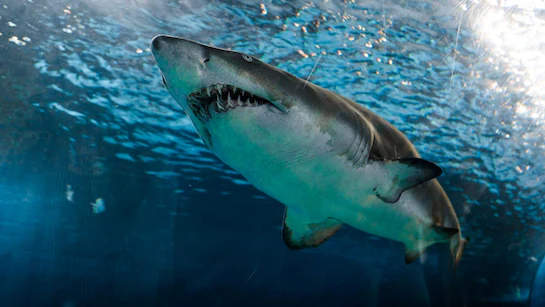
The man was flown to Bundaberg Hospital, where he underwent further evaluation and treatment. Despite the severity of the injuries described by responders, authorities reported that he was in stable condition when transported from the island. Stability during transport is a positive indicator in cases involving significant wounds, as it suggests the patient’s vital signs remained under control during the initial medical response.
Emergency teams credited both the island staff and the patient’s companions for quickly reporting the incident and assisting with the response process. In marine emergencies, the speed with which help is requested and provided often determines how effectively injuries can be managed. The coordinated effort between resort personnel, emergency medical teams, and helicopter crews ensured the injured snorkeler received prompt treatment in a challenging environment.
Such responses highlight the importance of preparedness in tourist destinations located within remote natural settings. Islands and reef areas that attract visitors for snorkeling and diving activities must maintain emergency procedures capable of responding quickly to medical incidents, whether caused by marine wildlife, accidents, or environmental hazards.
Safety Measures and Monitoring After the Incident
Following the shark attack, local authorities and resort management implemented precautionary measures to protect visitors and monitor conditions around the island. The western snorkeling zones near the site of the incident were closed temporarily while marine experts assessed the situation. Resort staff also informed all guests about the closure and provided safety guidance regarding ocean activities.
The type of shark involved in the attack was not immediately identified, which added to the need for caution in the surrounding waters. Marine experts and staff members began observing the area to determine whether sharks were actively present in the snorkeling zones or whether the incident was an isolated encounter. Temporary closures are a common precaution after shark incidents, allowing authorities to evaluate risks before reopening the area to visitors.
Read : Body of 55-Year-Old Triathlete Erica Fox Mauled to Death by Shark Recovered in Northern California
In addition to closing certain zones, staff reminded guests about standard safety recommendations for swimming and snorkeling in reef environments. These guidelines typically include avoiding swimming at dawn or dusk, staying out of murky water where visibility is reduced, and remaining aware of surrounding marine life. Such precautions help reduce the likelihood of unexpected encounters with large marine animals.
Visitors were also informed through signage and direct communication about the safety measures being implemented. Providing clear guidance helps ensure that guests understand the precautions being taken and encourages them to follow recommended practices while enjoying the reef environment.
Lady Elliot Island is known for its eco-tourism approach and focus on marine conservation, making safety and environmental stewardship key priorities. Monitoring the snorkeling zones after the incident allows both safety officials and marine specialists to gather information about local shark activity and determine when conditions are appropriate for reopening the affected areas.
While shark attacks are rare in the region, they remain a natural risk associated with exploring open ocean ecosystems. The Great Barrier Reef supports a wide variety of marine species, including several types of reef sharks that are generally not aggressive toward humans but may occasionally bite when startled or confused. Researchers continue to study shark behavior in reef environments to better understand the factors that can lead to such encounters.
The March 5 incident serves as a reminder of the balance between tourism and wildlife within natural marine environments. Snorkeling and diving activities allow visitors to experience coral reefs up close, but they also place people within habitats shared by large marine animals. Awareness, preparation, and responsible practices remain essential for minimizing risks while maintaining access to these unique ecosystems.
As monitoring continues around Lady Elliot Island, authorities and marine experts will evaluate conditions before deciding when the closed snorkeling zones can safely reopen. In the meantime, the injured snorkeler’s survival and stable condition reflect the effectiveness of the swift rescue and medical response that followed the unexpected encounter in one of the world’s most famous reef systems.