
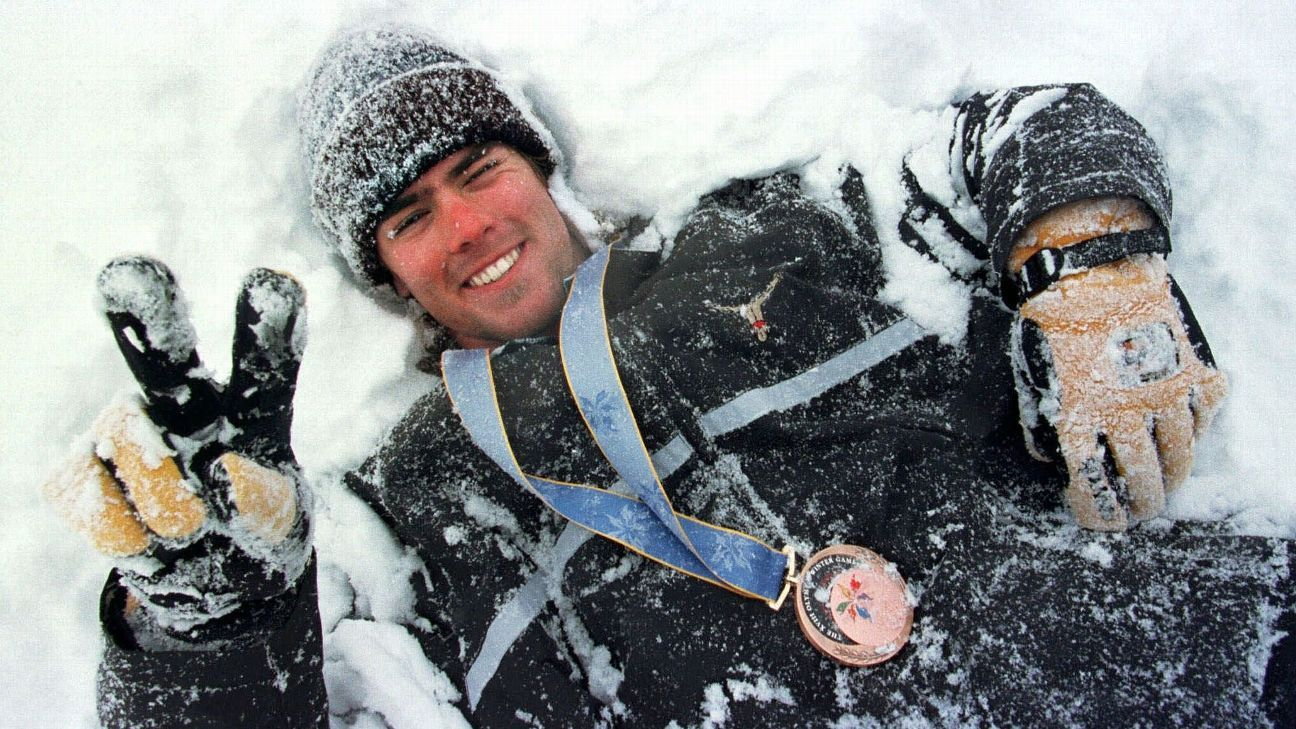
The international winter sports community is mourning the death of Swiss snowboarder Ueli Kestenholz, a pioneering figure in the sport who helped define its early Olympic era. Kestenholz, aged 50, died after being trapped in an avalanche in the Lötschental Valley in Switzerland’s Valais canton, according to a statement released by the Swiss Ski federation on Tuesday. His death has prompted an outpouring of tributes from athletes, officials and fans who remember him as both a fierce competitor and an adventurous spirit whose career spanned elite competition and extreme sports.
Kestenholz’s passing marks the loss of one of snowboarding’s early trailblazers, particularly remembered for his role in the sport’s Olympic debut at the 1998 Nagano Winter Games. At a time when snowboarding was still fighting for recognition alongside traditional alpine disciplines, his achievements helped cement its legitimacy on the world stage. Beyond medals and titles, his life reflected a deep connection to the mountains and a relentless pursuit of challenge, qualities that defined both his competitive career and his later pursuits.
An Avalanche in the Lötschental Valley
The fatal accident occurred on Sunday while Kestenholz was snowboarding in the Lötschental Valley, a picturesque but demanding alpine region in the canton of Valais. He was accompanied by a friend who was skiing at the time. According to Valais police, the avalanche began at an altitude of approximately 2,400 metres. The exact cause of the slide remains unknown, and authorities have not indicated whether weather conditions or snowpack instability played a role.
When the avalanche struck, Kestenholz was buried by snow. His companion acted quickly, managing to assist him before emergency services arrived. Despite these efforts, the situation was critical. Kestenholz was airlifted by helicopter to a hospital in Visp before being transferred to Sion, a city near the Crans-Montana resort. Medical teams attempted to save him, but he later succumbed to his injuries.
Swiss Ski confirmed his death and expressed condolences on behalf of the federation. Swiss Ski president Peter Barandun said the organisation extended its deepest sympathies to Kestenholz’s family and loved ones, acknowledging the profound loss felt across the Swiss skiing and snowboarding community. The tragedy has also reignited discussions about avalanche risks, even for experienced mountain athletes who are well acquainted with alpine terrain.
Read : 10 Famous UNESCO World Heritage Sites in Australia
Avalanches remain one of the most unpredictable dangers in high mountain environments. Even seasoned professionals, equipped with knowledge and experience, can be caught off guard by sudden changes in snow conditions. Kestenholz’s death underscores the inherent risks of backcountry and off-piste activities, which he continued to pursue with passion long after his competitive career ended.
A Pioneer of Olympic Snowboarding
Ueli Kestenholz’s name is inseparable from one of the most memorable chapters in Olympic snowboarding history. At the 1998 Nagano Winter Games, snowboarding made its Olympic debut, and Kestenholz emerged as one of the standout competitors. He won the bronze medal in the men’s giant slalom, securing Switzerland’s place on the podium in a discipline that was still new to the Olympic programme.
Read : Ski Patroller Cole Murphy Dies in Avalanche During Mitigation Work at Mammoth Mountain Ski Resort
That event became one of the defining stories of the Nagano Games, not only because of the sport’s introduction but also due to the controversy surrounding the gold medal. Canadian snowboarder Ross Rebagliati initially lost his title after testing positive for cannabis, only to have the decision overturned on appeal. Amid the global attention on that controversy, Kestenholz’s achievement stood as a testament to skill and consistency in a rapidly evolving sport.

Following Nagano, Kestenholz went on to represent Switzerland at two more Winter Olympics, demonstrating longevity at the highest level of competition. His career also extended beyond the Olympic circuit into other elite events. He was twice crowned snowboardcross champion at the X Games, a competition known for its demanding courses and emphasis on speed, agility and fearlessness.
During a period when snowboarding was still carving out its identity, athletes like Kestenholz played a crucial role in shaping its professional landscape. He bridged the gap between traditional alpine competition and the freer, more expressive ethos that attracted younger generations to the sport. His success across different formats reflected versatility and a willingness to adapt as snowboarding evolved.
From Elite Competition to Extreme Sports
After stepping away from top-level Olympic competition, Kestenholz did not retreat from the mountains. Instead, he expanded his horizons into the broader world of extreme sports, maintaining a professional career that reflected his appetite for adventure. His activities included snowboarding in remote terrain, paragliding and other high-risk pursuits that combined technical skill with a deep appreciation for nature.
In March 2003, he was photographed posing in front of the Bec des Rosses mountain near Verbier, an image that captured his enduring connection to the alpine environment. That same connection was evident in his more recent social media presence. Posts on his Instagram account showed him paragliding and landing on frozen lakes near St Moritz, offering glimpses into a life still driven by exploration and challenge.
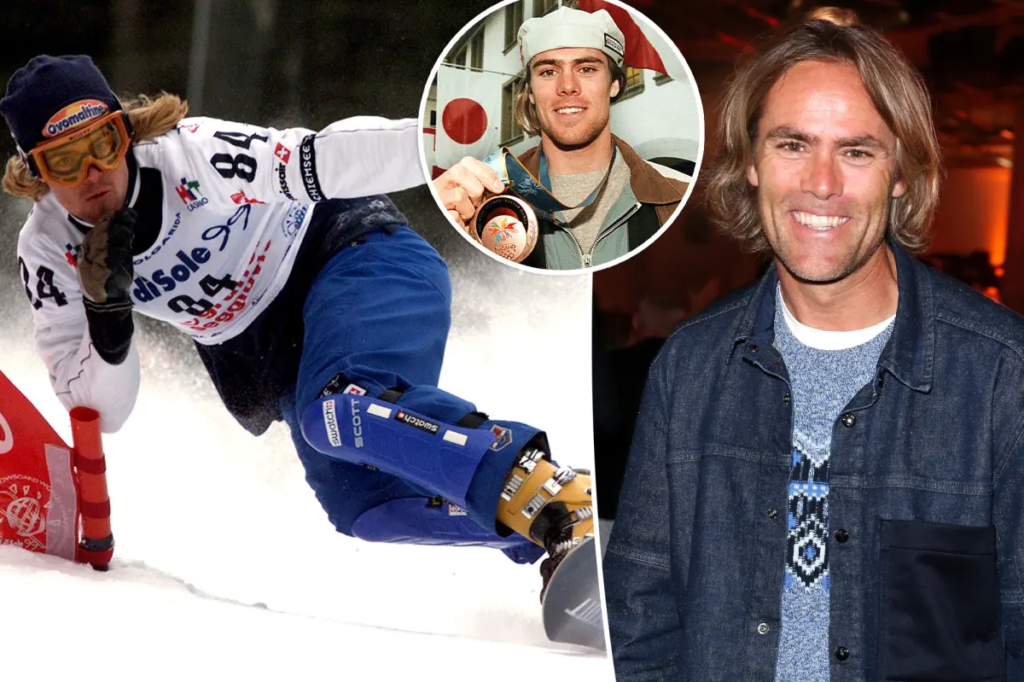
In one post, Kestenholz reflected on the spontaneity required to experience extraordinary moments in nature, writing that to enjoy such rare alignments of natural wonders, one must be ready to drop everything and go. The message encapsulated his philosophy, one rooted in seizing opportunity and embracing the unpredictability of the outdoors.
Friends and fellow athletes have described him as someone who never lost his enthusiasm for pushing boundaries. While many former competitors transition into coaching or administrative roles, Kestenholz chose to remain immersed in the elements that first drew him to snowboarding. His continued presence in extreme sports circles made him a respected figure among younger athletes seeking inspiration from those who had paved the way.
His death has resonated beyond Switzerland, drawing tributes from across the global snowboarding and extreme sports communities. Many have highlighted not only his competitive achievements but also his role as an ambassador for mountain sports and a symbol of the freedom that defines them. At the same time, the circumstances of his passing have served as a sobering reminder of the risks inherent in these pursuits, regardless of experience or expertise.
Ueli Kestenholz’s legacy is one of innovation, courage and dedication to a sport that transformed from a fringe activity into an Olympic mainstay during his career. From the historic slopes of Nagano to the remote valleys of the Swiss Alps, his life traced the arc of modern snowboarding itself. His achievements, both on and off the podium, continue to influence the culture of winter sports, even as his untimely death leaves a profound void in the community he helped shape.