
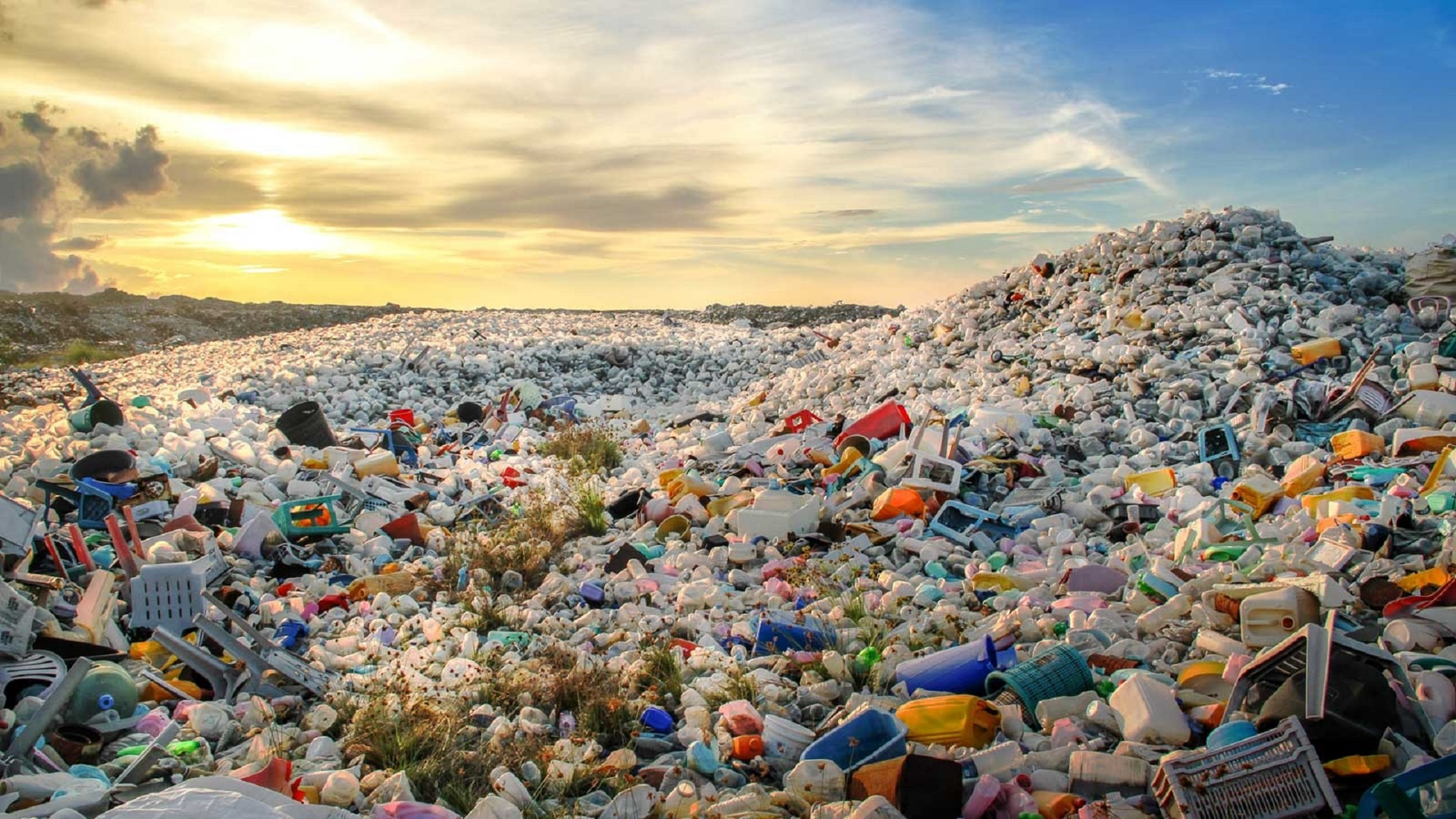
South Korea, often praised for its progressive recycling initiatives, is facing a paradox. While the nation claims an impressive 73% recycling rate for plastics, closer scrutiny reveals a different reality—only 27% of its plastic waste is truly recycled.
As the country prepares to host the fifth Intergovernmental Negotiating Committee (INC-5) talks in Busan, the spotlight is on its recycling model, its challenges, and the path forward. This revelation raises essential questions about the sustainability of South Korea’s waste management system and the broader global implications.
The Illusion of High Recycling Rates
South Korea’s self-reported recycling rate of 73% is often cited as a benchmark of efficiency. The nation has implemented extensive waste segregation programs, mandatory recycling bins, and a meticulous collection system.
Residents are accustomed to sorting their waste meticulously, and fines for improper disposal reinforce compliance. However, the statistics mask an inconvenient truth: the majority of collected plastic is not genuinely recycled but either incinerated or exported.
Read : Fishing Boat Capsizes Near Jeju Island, South Korea: 2 Dead, 12 Missing
According to environmental activists, only 27% of plastic waste undergoes genuine recycling. The discrepancy arises from inconsistent definitions and practices. Much of the “recycled” plastic is incinerated for energy recovery, a method counted as recycling under current standards.
Read : 22-Year-Old Boy Publicly Executed for Watching K-pop Videos in North Korea
Additionally, the export of plastic waste for processing abroad further inflates the figures. This practice has faced criticism, particularly after countries like China and Malaysia imposed strict limits on plastic imports, revealing South Korea’s dependency on external processing.
Challenges and Inconsistencies in Policy
South Korea’s recycling policies, while ambitious, suffer from inconsistencies and industry influence. Regulations vary across regions, creating a fragmented system that hampers overall efficiency. For instance, certain types of plastics are recycled only in specific provinces, leading to confusion among citizens and inefficiencies in waste collection.
The industry’s influence is another significant factor. Plastic manufacturers and powerful business groups have lobbied against stricter regulations, focusing on downstream solutions like waste management rather than curbing plastic production.

This approach aligns with countries like Saudi Arabia and China, which advocate for managing existing waste rather than reducing plastic output. Consequently, South Korea’s policies emphasize recycling at the expense of broader, systemic changes in production and consumption patterns.
Political pressures also complicate the landscape. Successive governments have prioritized economic growth and industrial development, sometimes at the expense of environmental initiatives.
The recycling industry, while essential, lacks the political clout to drive systemic reforms. This dynamic is particularly evident in the lead-up to the INC-5 talks, where South Korea faces pressure to demonstrate leadership while balancing domestic interests.
The Road Ahead: Systemic Reforms and Global Implications
Addressing South Korea’s recycling conundrum requires more than incremental policy changes. The nation must adopt a holistic approach that encompasses production, consumption, and waste management.
Reducing plastic production is crucial. Currently, South Korea’s per capita plastic consumption is among the highest globally, reflecting a culture of convenience and disposable products. Public awareness campaigns and incentives for reducing plastic use can play a pivotal role in shifting consumer behavior.
Strengthening regulations is equally important. Uniform policies across regions, coupled with stricter enforcement, can streamline waste management. The government must also resist industry pressure and prioritize long-term sustainability over short-term economic gains.
This approach includes holding manufacturers accountable through extended producer responsibility (EPR) schemes, ensuring they bear the cost of recycling and disposal.
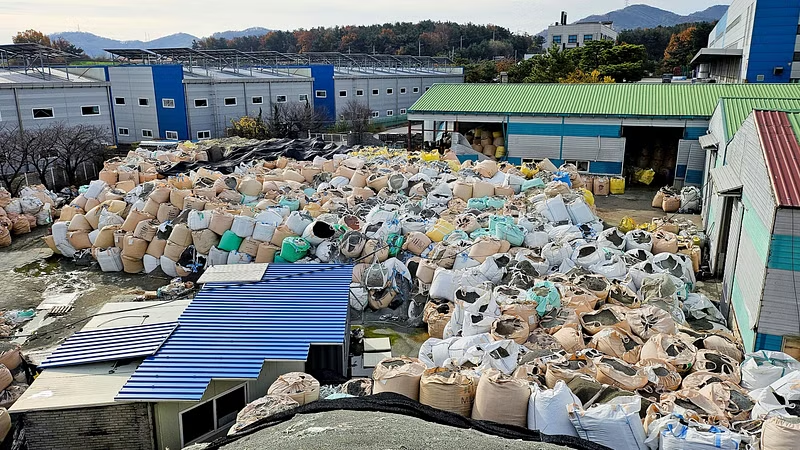
The INC-5 talks present an opportunity for South Korea to lead by example. Advocating for a global treaty that limits plastic production, rather than merely managing waste, would signal a commitment to real change. Such a stance would challenge the positions of countries like Saudi Arabia and China, setting a precedent for other nations.
International collaboration is essential. South Korea’s experience highlights the limitations of national efforts in a globalized world. Plastic waste is a transboundary issue, and effective solutions require coordinated action. The INC-5 talks can foster partnerships and share best practices, ultimately contributing to a more sustainable global framework.
South Korea’s recycling model, once considered exemplary, reveals significant shortcomings upon closer examination. The discrepancy between reported and actual recycling rates underscores the need for systemic reforms. As the nation prepares to host the INC-5 talks, it faces a critical juncture.
By addressing inconsistencies, resisting industry influence, and advocating for global production limits, South Korea can transform its recycling conundrum into an opportunity for leadership. The path forward requires bold action, but the potential rewards—both domestically and globally—are immense.