
A 64-year-old South Carolina woman has filed a federal lawsuit against Southwest Airlines, alleging that an employee assigned to assist her during a connecting flight abandoned her in an airport restroom, triggering a severe and lasting mental health crisis. Mary Lynn Ellison, who lives with anxiety and panic disorder and relies on wheelchair assistance while traveling, claims the incident caused immediate emotional trauma and has continued to affect her health and ability to fly nearly two years later.
Her complaint describes a series of failures in providing promised disability assistance, culminating in what she characterizes as abandonment at a moment of heightened vulnerability. According to court filings, Mary Lynn Ellison’s conditions substantially limit her ability to navigate crowded environments, manage stress, and regulate panic symptoms without structured and reliable support.
Air travel is manageable for her when assistance is clearly arranged and consistently provided. However, the lawsuit argues that when support is delayed, withdrawn, or mishandled, her symptoms escalate quickly and can become disabling. Ellison contends that this predictable risk made the airline’s actions especially harmful and dangerous in her specific circumstances.
The legal action seeks damages for emotional distress and medical expenses, as well as policy changes to ensure that passengers requiring mobility assistance are not left without coordinated support during travel connections. The case has drawn attention to broader questions about how airlines handle disability accommodations and whether existing procedures adequately protect vulnerable travelers during complex airport transfers.
Events at the Airport and the Alleged Abandonment
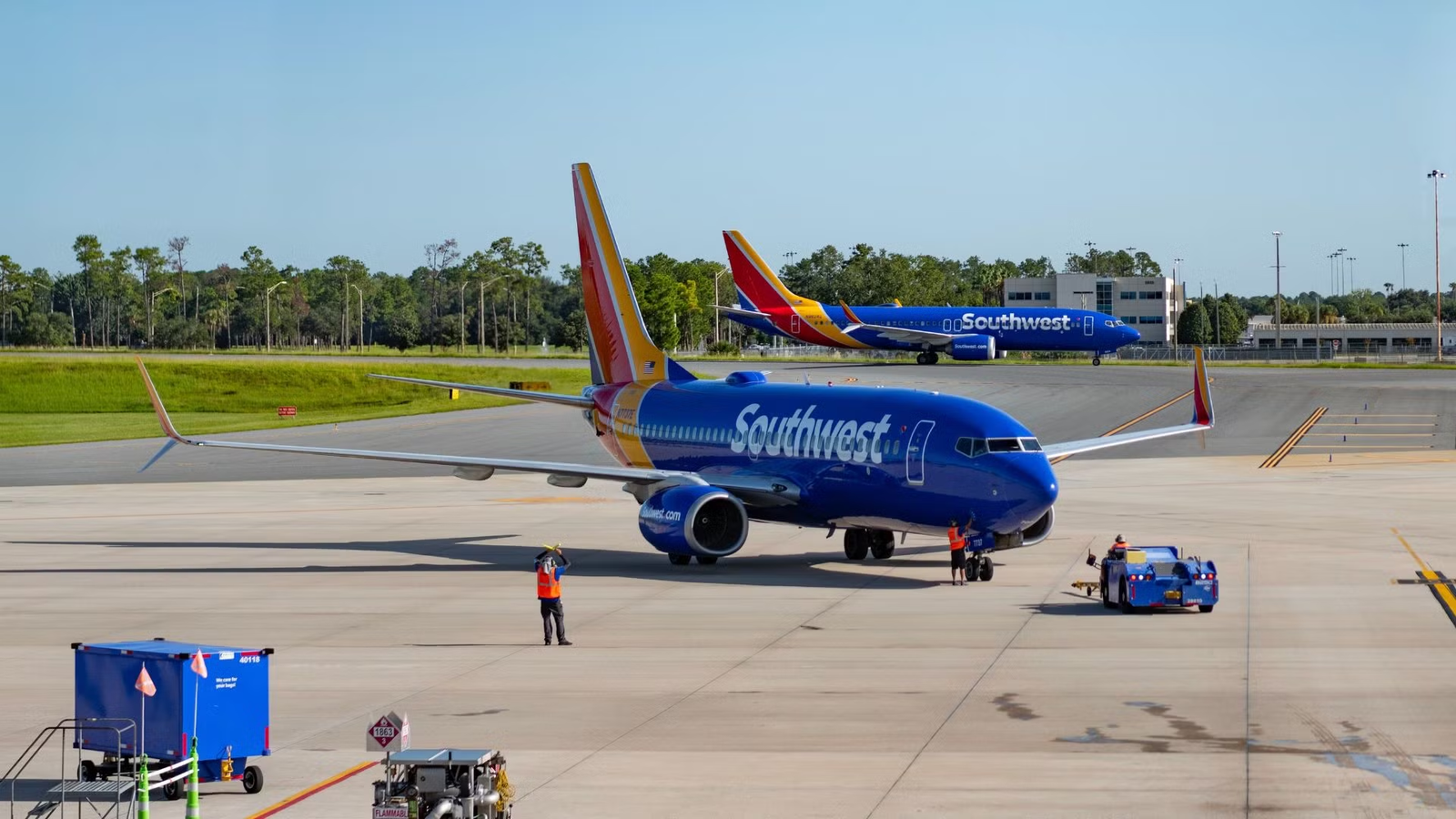
The incident at the center of the lawsuit occurred on February 11, 2024, at Hartsfield–Jackson Atlanta International Airport, where Ellison was connecting to another Southwest flight. According to the complaint, she had requested wheelchair assistance at the time of booking, and the need for support was printed on her boarding pass. The assistance was intended to help her move between gates and manage the physical and psychological demands of navigating the busy terminal environment.
Despite this documented request, Ellison alleges that an employee initially refused to provide help when she arrived at the airport. The complaint states that she repeatedly approached the same staff member, explaining her need for assistance, but was met with dismissive responses. During this time, she remained without mobility support in a crowded terminal, an environment that the lawsuit says can trigger acute stress and panic for her. She reportedly needed access to water and medication, and the prolonged delay increased the risk of a panic episode.
Eventually, after what the complaint describes as a significant wait, a courtesy cart arrived to transport her to her connecting gate. On the way, Ellison requested a stop at a restroom. The driver allowed her to disembark but then left the area, according to the lawsuit, leaving her without the promised escort or a wheelchair to continue her journey. The complaint characterizes this moment as a critical failure, asserting that Ellison was placed in an unfamiliar and crowded environment with no reliable way to return to her gate.
When she realized the driver had left, Mary Lynn Ellison attempted to seek assistance from nearby airline staff. The lawsuit states that she was informed that a wheelchair that had been available was no longer accessible. During this period, her distress escalated. The complaint describes growing panic fueled by isolation, uncertainty, and concern about missing her connecting flight.
Read : Southwest Airlines Pilot David Allsop Arrested for DUI at Savannah Airport
After what Mary Lynn Ellison claims was a prolonged period without assistance, a wheelchair and escort finally arrived approximately 10 to 15 minutes before boarding. She was transported to the gate and boarded the aircraft, but the lawsuit maintains that the assistance was neither prompt nor coordinated. The delayed response, Ellison argues, intensified her distress and demonstrated systemic failures in managing disability accommodations.
Read : Earth’s Blue Oceans Turning Green Due to Climate Change: NASA Satellite Data
Upon reaching her destination, Mary Lynn Ellison reported the incident to the airline. According to the complaint, she was told that she had remained in the restroom too long and that the escort had therefore left. The airline later offered her a $150 travel voucher, which she declined, arguing that it did not adequately address the severity of the incident or the harm she experienced.
Legal Claims and Alleged Lasting Psychological Impact
Ellison’s lawsuit centers on allegations that the Southwest Airlines failed to provide promised disability assistance and responded inadequately after the incident. The complaint describes the airline’s conduct as extreme and beyond reasonable standards of care, particularly given that her medical conditions and need for support were known in advance. The legal filing asserts that abandoning a passenger with recognized mobility and mental health vulnerabilities created foreseeable risks of psychological harm.
The complaint details a range of symptoms that Ellison says developed or worsened following the incident. These include sleep disruption, heightened anxiety, persistent hypervigilance, and avoidance of air travel. Her legal team argues that these responses are consistent with trauma-related stress and required additional clinical care and therapeutic intervention. The lawsuit maintains that her mental health deterioration is directly linked to the experience of being stranded and unsupported during a critical moment of travel.
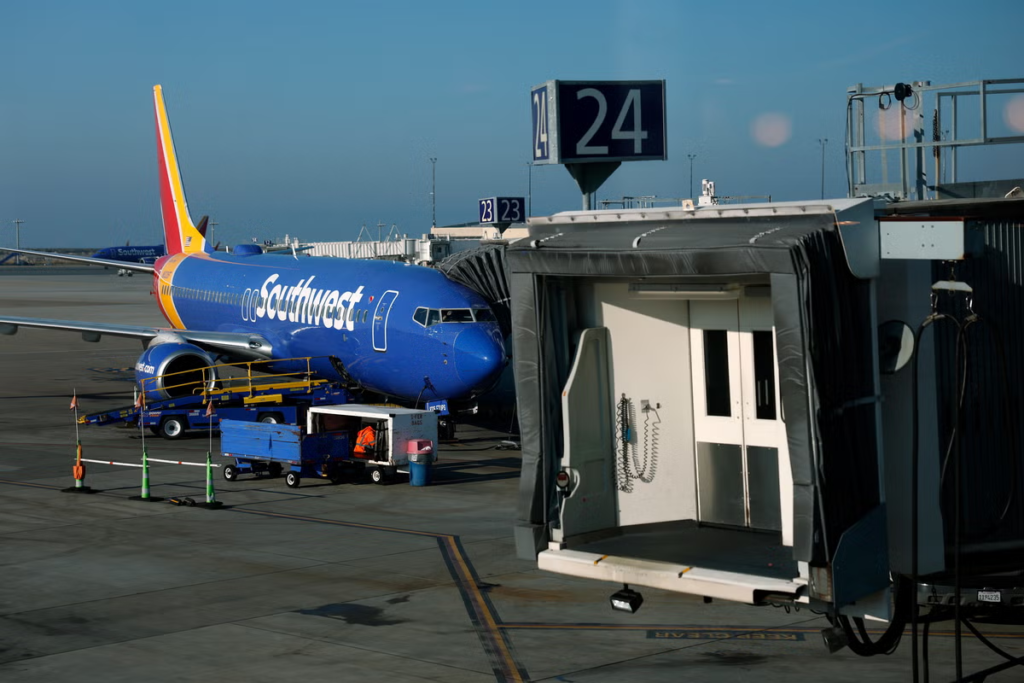
According to the filing, the incident caused both immediate panic and long-term emotional consequences. It states that Ellison’s existing conditions were aggravated, requiring increased treatment and support from healthcare providers. The legal claim seeks compensation for medical expenses related to this intensified care, as well as damages for emotional suffering and the broader impact on her quality of life.
In addition to financial compensation, Ellison is requesting structural changes in how assistance is provided. The lawsuit calls for improved training, supervision, and communication protocols to ensure that passengers who request mobility support are not left unattended during transfers. Her legal argument emphasizes that monetary compensation alone cannot eliminate the risk of similar incidents occurring in the future.
The airline has declined to comment publicly on the specific allegations, citing pending litigation. The case remains unresolved, and the court will ultimately determine whether the airline’s actions constituted negligence or failure to meet legal obligations toward passengers with disabilities.
Disability Assistance in Air Travel and Broader Implications
The lawsuit has highlighted the complex responsibilities involved in providing mobility and disability assistance within airport environments. In the United States, individual airlines are generally responsible for arranging and delivering support services for passengers who require help moving through terminals or boarding aircraft. This responsibility includes coordinating staff, equipment, and communication to ensure continuity of assistance during connections.
Read : Appalling! Drunk Woman Seen Spitting and Pulling Passenger’s Hair in Southwest Airlines Flight
For passengers with mobility limitations or medical conditions that affect their ability to travel independently, the reliability of these services is critical. Airport terminals are often crowded, noisy, and physically demanding spaces. Long walking distances, time pressures, and unpredictable delays can create significant challenges even for travelers without disabilities. For individuals managing anxiety disorders or other medical conditions, these stressors can be magnified considerably.
Ellison’s case also reflects ongoing scrutiny of how airlines handle requests for accommodations. Disability advocates have long argued that assistance systems must account for both physical and psychological needs, as well as the potential consequences of delays or miscommunication. When support breaks down during transitions between flights, passengers may be left without the means to navigate unfamiliar environments safely.
Previous legal disputes involving mobility assistance have raised similar concerns about coordination and responsiveness. While some cases have been resolved privately, they have contributed to broader discussions about staffing levels, training standards, and accountability mechanisms. Advocates emphasize that assistance must be continuous rather than fragmented, particularly when passengers depend on escorts to move between distant gates or facilities.
Ellison’s lawsuit specifically seeks policy reforms that would require more structured handoff procedures when assistance responsibilities transfer from one employee to another. Such measures could include documented check-ins, clear communication protocols, and supervision systems designed to prevent gaps in service. The complaint suggests that without these safeguards, passengers who rely on assistance remain vulnerable to delays or abandonment.
The case also underscores the intersection between physical mobility needs and mental health considerations. For travelers with anxiety disorders, predictable and reliable support can be essential to maintaining functional stability. Interruptions in assistance may not simply create inconvenience but can trigger acute psychological responses that affect health and safety.
As the legal process moves forward, the dispute may contribute to ongoing conversations about how transportation providers accommodate passengers with disabilities. The outcome could influence training practices, operational procedures, and expectations surrounding duty of care during travel connections. The court’s findings may also clarify how responsibility is defined when assistance is promised but not consistently delivered.
Ellison’s experience, as described in the lawsuit, illustrates the potential consequences when coordination fails in a high-pressure environment. Her legal action seeks not only recognition of personal harm but also systemic changes intended to reduce the likelihood of similar incidents affecting other travelers who depend on reliable support while navigating complex airport systems.