

The arrest of Southwest Airlines pilot David Allsop at Savannah/Hilton Head International Airport has raised serious concerns about aviation safety and the responsibilities of airline personnel. The shocking incident, which unfolded just minutes before takeoff, underscores the importance of strict regulations governing alcohol use and pilot conduct. With new details emerging through police body camera footage, the case has drawn national attention and stirred debate over whether the arrest procedures were carried out appropriately.
The Incident at Savannah/Hilton Head International Airport
On the morning of January 15, 2024, Flight 3772 was scheduled to depart Savannah/Hilton Head International Airport at 6 a.m., bound for Chicago Midway. The assigned pilot, Captain David Allsop, had already entered the cockpit when police approached him on the jet bridge at Gate 2. Law enforcement had received information raising concerns about possible alcohol use, prompting immediate intervention before the flight could take off.
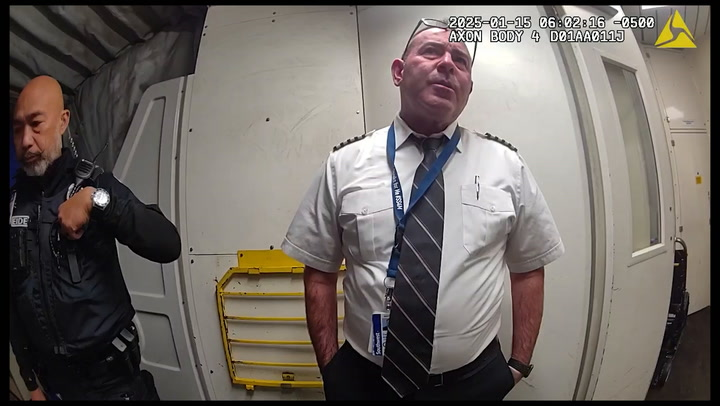
According to the Chatham County Police Department, officers confronted Allsop and asked whether he had been drinking. The pilot admitted to consuming “a few beers” about ten hours earlier, specifically three Miller Lite beers. Officers reported that they detected the odor of alcohol and observed signs of possible impairment, including bloodshot, watery eyes and a flushed complexion. At first, Allsop declined to participate in field sobriety tests, but eventually he agreed to comply.
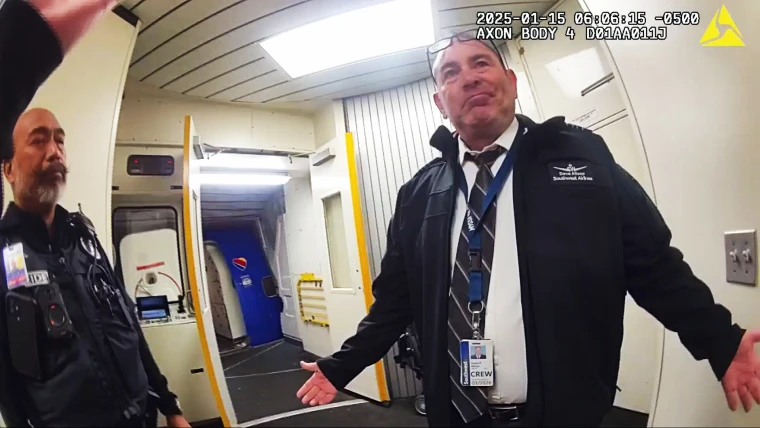
Newly released bodycam footage shows Southwest pilot who ‘reeked of booze’ being arrested for DUI and escorted off flight moments before takeoff
— Unlimited L's (@unlimited_ls) August 15, 2025
David Allsop, 52, was arrested for DUI in January at Savannah/Hilton Head International Airport in Georgia
He was scheduled to… pic.twitter.com/cva3H2UkcN
Police body camera footage revealed that Allsop struggled to follow the tip of an officer’s pen during a horizontal gaze nystagmus test. He was also unable to maintain balance while attempting to stand on one leg at a 45-degree angle. Based on these observations, police determined that he was impaired and placed him under arrest for driving under the influence (DUI), which in aviation translates to operating or attempting to operate an aircraft while intoxicated.
Airline Response and Immediate Consequences
Southwest Airlines moved quickly to distance itself from the controversy, issuing a statement confirming that Allsop was removed from duty immediately after the alleged incident. The airline emphasized its commitment to passenger safety and confirmed that Allsop is no longer employed with the company. For Southwest, which carries millions of passengers annually, the case represents both a reputational challenge and a reminder of the importance of maintaining strict safety standards.
Read : Appalling! Drunk Woman Seen Spitting and Pulling Passenger’s Hair in Southwest Airlines Flight
The incident also disrupted travel plans for passengers who were expecting an on-time departure. While the airline arranged alternative crew to operate the flight, the disruption underscored how sudden incidents involving pilots can affect not only airlines but also the traveling public. With aviation being one of the most heavily regulated industries, any violation of alcohol-related rules by pilots is treated with the utmost seriousness.
The Federal Aviation Administration (FAA) enforces strict regulations concerning alcohol consumption among pilots. U.S. law prohibits pilots from consuming alcohol within eight hours of a flight, operating with a blood alcohol concentration (BAC) of 0.04% or higher, or being under the influence of alcohol in any capacity while on duty. Allsop’s admission that he had consumed alcohol approximately ten hours prior fell outside the eight-hour rule, but police believed his condition still posed a safety risk.
Legal Defense and Ongoing Debate
Following his arrest, David Allsop retained attorney David Chaiken, who strongly contested the charges. Chaiken argued that the body camera footage does not demonstrate impairment and claimed that the sobriety tests were not conducted properly. He insisted that Allsop committed no crime and that the procedures leading to his arrest were flawed. According to Chaiken, experts who reviewed the video concluded that officers failed to follow standard testing protocols, making the results unreliable.
This defense raises broader questions about how such cases should be handled. While pilots are subject to heightened scrutiny due to the immense responsibility of flying hundreds of passengers, the accuracy of law enforcement methods is equally important. If sobriety tests were not administered correctly, it could undermine the case against Allsop and highlight the need for better training of officers in aviation-related DUI cases.
The case also touches on the stigma and career consequences for pilots accused of alcohol impairment. Even if Allsop is ultimately cleared of wrongdoing, the damage to his reputation and career is severe. For airlines, protecting passenger trust requires swift action, often leading to immediate termination regardless of the outcome of legal proceedings. This creates a delicate balance between due process for employees and the non-negotiable requirement of passenger safety.
Beyond the legal defense, the incident has sparked a wider conversation about pilot wellness and the pressures of the profession. Pilots operate under strict schedules, often with limited rest, and some experts argue that the industry should focus more on support systems to prevent issues related to alcohol or other substances. While responsibility lies with the individual pilot, airlines and regulators also share the duty of ensuring support and oversight to reduce the risk of impairment-related incidents.
The arrest of Southwest Airlines pilot David Allsop at Savannah/Hilton Head International Airport highlights the ongoing importance of enforcing strict standards in aviation safety. While Allsop admitted to drinking the night before, the debate centers on whether he was impaired at the time of the flight and whether law enforcement followed proper procedures during sobriety testing. Southwest Airlines acted swiftly by removing him from duty and terminating his employment, signaling its commitment to passenger safety above all else.
As the case moves forward, it will test not only the credibility of field sobriety testing in aviation-related incidents but also the balance between due process for pilots and the non-negotiable demand for public trust in air travel. Regardless of the final outcome, the incident serves as a stark reminder of the critical responsibilities borne by airline pilots and the potentially devastating consequences when their conduct comes under question.