

The death of Chicago special education teacher Linda Brown has brought a somber close to a days-long search that gripped her family, colleagues, students, and the wider community. After she was reported missing earlier in January, Brown’s body was recovered from Lake Michigan, prompting an official investigation into the circumstances surrounding her disappearance. This week, the Cook County Coroner’s Office confirmed that Brown died by suicide due to drowning, a ruling that has underscored both the tragedy of her loss and the unanswered questions that often remain in such cases.
Brown’s death has drawn attention not only because of the mystery that surrounded her disappearance, but also because of her role as a dedicated educator who worked closely with children with special needs. Brown, who taught at Robert Healy Elementary School in Chicago’s Bridgeport neighborhood, was last seen on January 3.
Her disappearance triggered concern among family members when she failed to attend a scheduled acupuncture appointment and could not be reached. Over the following days, police and family members worked to piece together her last known movements, ultimately leading to the recovery of her body nearly ten days later. While the coroner’s ruling has provided official clarity on the cause and manner of death, the emotional impact of the loss continues to resonate deeply among those who knew her.
Timeline of Linda Brown’s Disappearance and Discovery
Linda Brown was last seen on the morning of Saturday, January 3, in the area of the 4500 block of South Martin Luther King Jr. Drive in Chicago, according to police statements issued during the search. Her husband, Antwon Brown, later told local media that the couple had spent the previous evening together at their Bronzeville home, watching a movie before going to bed. When he awoke the next morning, Linda was no longer in the house.
Initially, there was no immediate alarm. Antwon believed his wife had left early to attend an acupuncture appointment, something she routinely did on Saturdays. Concern grew as the hours passed and Linda failed to arrive at her appointment. When attempts to contact her were unsuccessful, her family notified authorities, and a missing person investigation began.
Police released information about her last known location and later shared images captured on surveillance footage from January 3. According to her family, the footage showed Linda walking across a pedestrian bridge that led toward the lakefront. Significantly, there was no video evidence showing her returning from that area, a detail that would later take on increased importance.
As the search continued, police located Brown’s vehicle, a blue Honda Civic, on January 7. Authorities confirmed that the car was found undamaged near South Lake Park Avenue and East 35th Street, an area not far from the lakefront. The discovery of the vehicle provided investigators with a clearer geographic focus but did not immediately reveal what had happened to Brown after she left it. Family members continued to appeal to the public for information, holding onto hope that she would be found alive.
Read : Malaysian Marvels: Must-Visit Destinations Across the Country
That hope ended on the morning of Monday, January 12, when officials confirmed that a body had been recovered from Lake Michigan near the 3100 block of South Lake Shore Drive on Chicago’s South Side. The remains were later identified as Linda Brown. An autopsy was conducted by the Cook County Medical Examiner’s Office, and on Tuesday following the examination, the office ruled her death a suicide by drowning. No additional details regarding toxicology or contributing factors were made public at that time.
Official Findings and Family Response
The Cook County Coroner’s Office stated that both the cause and manner of death were consistent with suicide by drowning. While the medical examiner did not release further specifics, the ruling indicated that investigators found no evidence to suggest foul play or accidental death. Such determinations are based on a combination of autopsy results, investigative findings, and the circumstances surrounding the individual’s last known activities.
Brown’s family responded to the news with a statement expressing both grief and gratitude that her body had been recovered. “This is not the outcome we were hoping or praying for, but we are grateful that she has been found and can now be brought home to our family,” the family said in a message shared with Fox affiliate WFLD. The statement reflected the painful duality often faced by families in missing person cases, where the confirmation of death brings devastating loss but also an end to uncertainty.
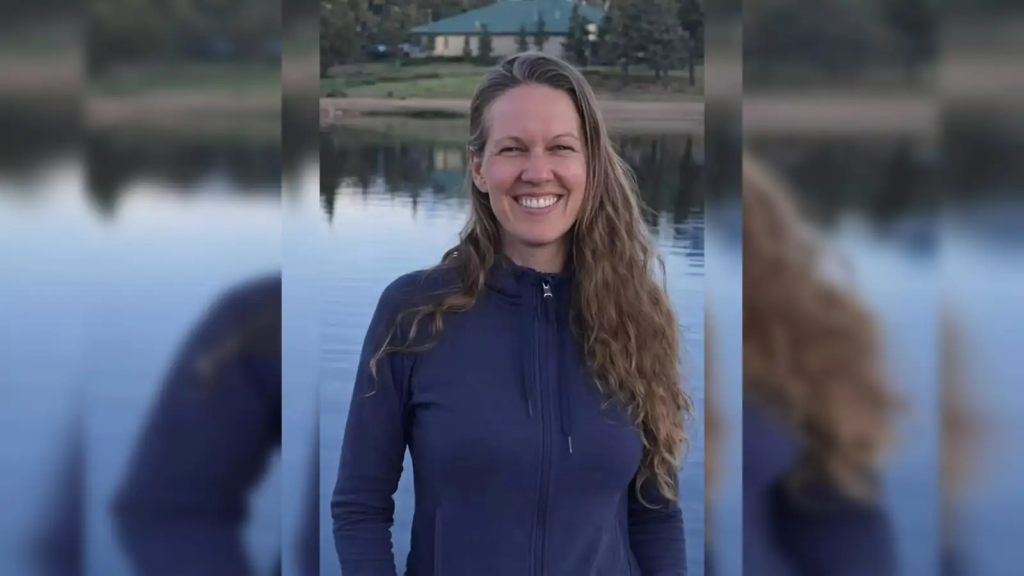
In earlier interviews, Antwon Brown had spoken openly about his wife’s struggles in the months leading up to her disappearance. He told ABC affiliate WLS that Linda had been dealing with mental health challenges and had taken a leave of absence from her teaching position to seek help. According to him, as the date for her planned return to work approached, her anxiety and panic attacks appeared to intensify.
While these comments were shared before the recovery of her body, they have since been viewed as part of the broader context surrounding her death. The acknowledgment of mental health struggles by Brown’s husband has resonated with many who followed the case, particularly within the education community.
Teachers often face significant stress, and special education professionals in particular work in demanding environments that require emotional resilience and constant advocacy for their students. Although officials have not drawn direct connections between Brown’s professional life and her death, the circumstances have prompted renewed conversations about mental health awareness and support for educators.
Community Impact and Public Reaction
Linda Brown’s death has had a profound impact on the school community where she worked and on the city at large. At Robert Healy Elementary School, where Brown taught special education students, she was remembered as a committed and compassionate educator who made a meaningful difference in the lives of children who required additional support. Her role involved working closely with students who faced learning challenges, behavioral difficulties, or developmental disabilities, often forming strong bonds with them and their families.

Chicago Mayor Brandon Johnson issued a statement expressing his condolences and acknowledging Brown’s contributions to the community. He said he was “deeply saddened by the news” of her death and praised her impact as a special education teacher. “As a special education teacher at Healy Elementary she made an immeasurable impact on countless young lives and was a vital member of the Bridgeport community,” the mayor said. He added that his thoughts and prayers were with Brown’s family and her students as they grieved her loss.
The reaction from the public has been marked by sorrow and reflection. Many educators and parents have shared messages honoring Brown’s dedication and highlighting the importance of recognizing the emotional toll that teaching can take. While the details of Brown’s personal struggles remain private, her story has nonetheless become a point of reference in broader discussions about mental health resources, particularly for those in caregiving professions.
Media coverage of the case has traced the sequence of events from Brown’s disappearance to the coroner’s ruling, emphasizing both the human tragedy and the procedural aspects of the investigation. Outlets such as PEOPLE, local Chicago stations, and national news organizations have reported on the case, drawing attention to the challenges families face during missing person investigations and the complex emotions that follow when answers are finally provided.
As the community continues to mourn, Brown’s death serves as a reminder of the lasting influence educators have beyond the classroom. Her students, colleagues, and family members are left to process the loss of someone who dedicated her career to helping others navigate their own challenges. While the official ruling has brought closure to the investigation, the memory of Linda Brown’s life and work remains central to how she is remembered in the days and weeks following her death.