
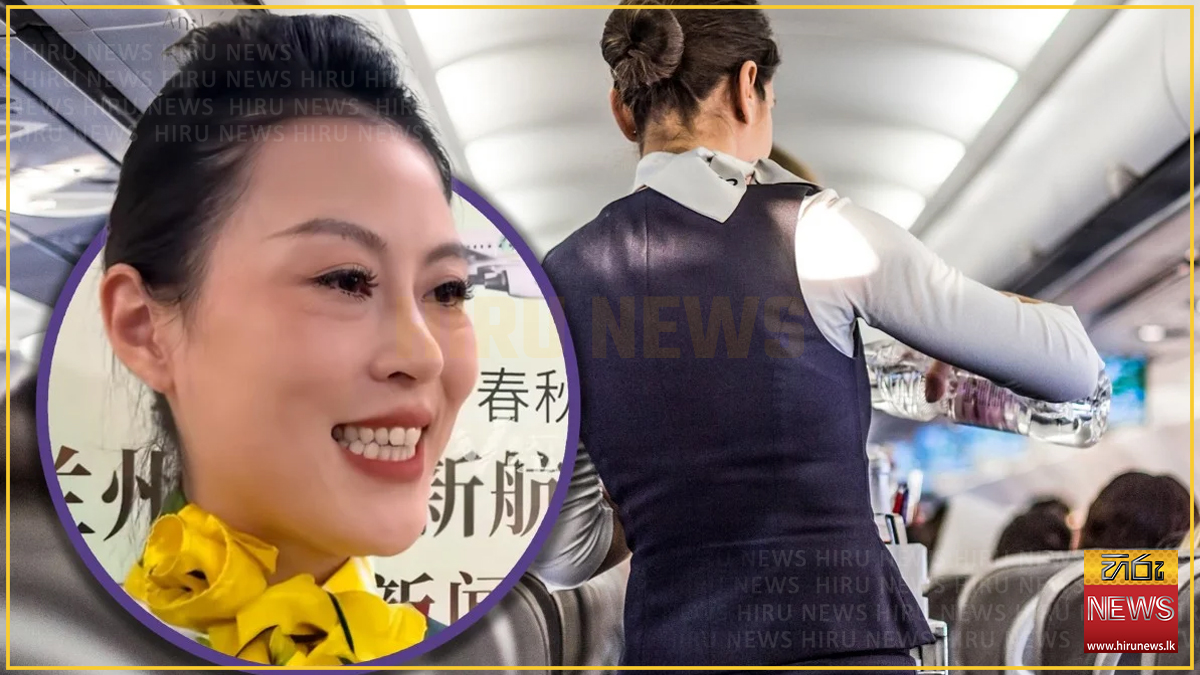
The recent recruitment drive by Spring Airlines in China has drawn widespread attention and debate, both domestically and internationally. The airline, based in Shanghai and known as the country’s first low-cost carrier, announced that it is specifically seeking to hire women aged 25 to 40 who are married or mothers, referring to them as “air aunties.”
While the airline claims this initiative will enhance the passenger experience by bringing empathy, life experience, and better caregiving skills to in-flight service, many online commentators view the terminology and hiring criteria as outdated, patronising, or even discriminatory. The controversy highlights broader cultural tensions surrounding gender roles, workplace equality, and how professional service roles are perceived in modern China.
A New Category of Flight Attendants
Traditionally, Chinese airlines have hired flight attendants mostly between the ages of 18 and 25, focusing on appearance, physical standards, and a polished presentation aligned with longstanding commercial aviation norms in East Asia. This image has historically emphasised youth, elegance, and a highly standardised model of hospitality. Spring Airlines’ decision to expand the typical age range and prioritise women with family experience marks a notable departure from such conventions.
According to the airline’s announcement, applicants must hold at least a bachelor’s degree, stand between 162 and 174 centimetres tall, and ideally have some background in customer service. What separates this recruitment from typical airline hiring campaigns is the stated preference for married women or mothers.
The airline argues that these women are more likely to possess patience and emotional intelligence, particularly when assisting elderly passengers, families, or children travelling alone. The initiative also intends to fill roles in Shanghai and Lanzhou, with an initial plan to recruit between 30 and 60 of these new attendants.
Read : Austrian Airlines Plane Suffers Major Damage to Nose During Severe Hailstorm
Spring Airlines has emphasised that these “air aunties” are not intended to replace existing young flight attendants but instead complement them. The carrier’s recruitment manager suggested that a diverse cabin crew could improve service quality by offering a broader range of personal strengths and communication styles. The official reasoning focuses on maturity and life perspective rather than purely aesthetic or youth-related expectations.
Public Backlash and Cultural Sensitivities
Despite the airline’s explanation, public reaction has been divided. Critics online argue that the term “air aunties” carries a tone of condescension and may undermine the professionalism of the role. In Chinese culture, the word “auntie” can be used respectfully but can also imply ageing or domestic service work rather than professional skill. For some, using this label for trained cabin crew blurs the line between professional service and familial caregiving, risking the perception that these women are being reduced to maternal stereotypes.
Another point of controversy involves the idea that marital or parental status should be relevant to employment eligibility. Although the airline describes these attributes as “preferred” rather than “required,” many see this as implicitly discriminatory. Women who are single, child-free, or younger may feel excluded or devalued, particularly in a labour market where women already face challenges balancing career advancement and societal expectations surrounding marriage and motherhood.

On the other hand, some supporters have argued that the recruitment drive acknowledges the value of women’s life experience in a meaningful way. They suggest that this could broaden employment opportunities for women who are often overlooked after starting a family or reaching their thirties, ages at which appearance-based hiring practices can become barriers in industries like aviation. In this view, the initiative might represent progress by allowing greater diversity of age and background among flight attendants. Yet even supporters often agree that the “air auntie” label is poorly chosen and could be replaced with a title that conveys professional dignity.
Changing Expectations in Air Travel
The response to Spring Airlines’ announcement reveals broader shifts in how airline service is understood and what passengers expect. Over the past decade, customer demographics have diversified, and airlines worldwide have recognised the importance of accessibility, disability support, family-friendly travel, and intergenerational comfort. A flight attendant’s responsibilities extend far beyond serving meals or guiding passengers to their seats. They manage safety procedures, respond to emotional or medical emergencies, and handle communication challenges in confined, high-pressure environments.
Read : China Detains Pastor Ezra Jin Mingri of Zion Church Along with Dozens of Staff and Members
Viewed within this context, seeking crew members with additional maturity or caregiving experience may hold practical merit. However, the way such goals are framed matters deeply. Professional titles influence how workers are respected and how their contributions are valued.

The term “air auntie” suggests informality and domesticity, risking the implication that these attendants are present primarily to soothe and care rather than to uphold rigorous safety protocols and service standards. This perception may inadvertently reinforce outdated views about women’s roles, particularly the idea that caregiving is a natural extension of motherhood rather than a trained professional skill.
There is also a growing international conversation about labour equality and stereotyping in the aviation industry. In recent years, some airlines have diversified hiring to include older applicants, men in greater numbers, and attendants with varied backgrounds, recognising that passengers benefit from a wider range of perspectives. However, such changes are generally framed in terms of professional competency and inclusivity rather than familial role-based suitability.
Spring Airlines’ approach appears to sit at the intersection of progressive expansion and traditional gendered assumptions. It acknowledges that valuable service skills can come from lived experience, but simultaneously reinforces the notion that women’s caregiving abilities are biologically or domestically rooted. The mixed response suggests that public attitudes are evolving and increasingly critical of messaging that ties professional identity to personal life choices.
As the airline begins selecting and training these new flight attendants, the long-term implications will depend heavily on how the role is integrated into broader airline operations and public representation. If the position is treated as a respected extension of professional service, supported by proper training and equal advancement opportunities, it may pave the way for more inclusive hiring practices across the industry. If, however, the label and expectations emphasise maternal stereotypes over professional skill, the controversy may deepen, and the initiative could be seen as reinforcing outdated social norms rather than expanding opportunities.