
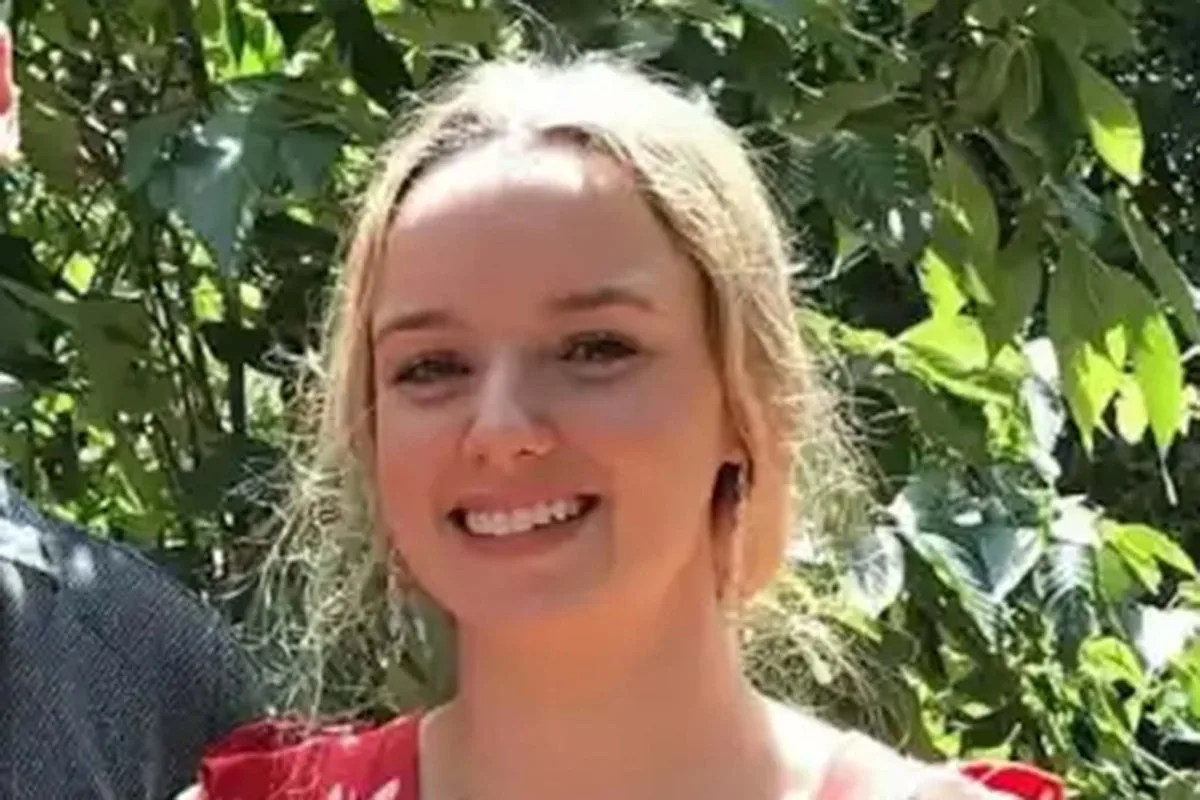
Stacey Warnecke’s death in October shocked Australia and the global wellness community, both for its suddenness and for the difficult questions it raised about freebirth, medical skepticism, and maternal health. A 30-year-old wellness influencer known for her advocacy of “low-tox” living and natural approaches to nutrition and lifestyle, Stacey had cultivated a loyal online following through her Natural Spoonfuls brand.
Her death, confirmed in a Victorian coroner’s court as the result of a postpartum hemorrhage, occurred shortly after she delivered her first child, Axel, at home without any medical professionals present.
The tragedy has since prompted an ongoing legal and regulatory inquiry in Victoria, shedding light on her choices during pregnancy, her skepticism toward conventional healthcare, and the circumstances surrounding her final hours. Her story offers a complex and painful picture of personal conviction, vulnerability, and preventable risk, drawing national attention to the dangers associated with unmanaged childbirth and the responsibilities of those who influence others in health-related spaces.
Stacey Warnecke’s Wellness Identity and Lifestyle Philosophy
Before her death, Stacey Warnecke had built a recognizable presence on social media by branding herself as a “low tox nutritionist and food content creator.” Her online persona reflected a commitment to natural living, holistic nutrition, and minimizing exposure to what she viewed as unnecessary chemicals or interventions. This philosophy resonated strongly with her followers, particularly those seeking natural alternatives to mainstream health and consumer practices. Her content frequently highlighted organic home-cooked meals, clean eating approaches, minimized household chemical use, and lifestyle routines focused on natural balance and wellbeing.
Her worldview extended into her approach to healthcare, particularly during pregnancy. The Victorian coroner’s court heard that Stacey Warnecke opted not to receive routine prenatal care when she became pregnant with her son. Aside from a single initial blood test performed by a general practitioner, she avoided medical monitoring throughout the pregnancy. According to attorney Rachel Ellyard, who presented the case details in court, Stacey’s decisions stemmed from a deep mistrust of the healthcare system, influenced in part by her opposition to COVID-19 vaccine mandates.
That skepticism appears to have reinforced her preference for a lifestyle free from medical interventions she believed were unnecessary or potentially harmful. This perspective guided her toward freebirth, an approach in which childbirth occurs without the presence of doctors, midwives, or trained medical personnel. While homebirth with certified midwives is practiced safely in many parts of the world, freebirth remains controversial because it removes trained professionals from a setting where complications can escalate rapidly.
Read : The Woman With “world’s biggest cheeks” Is Now Looking For Boyfriend
For Stacey, however, freebirth aligned with her existing principles and represented a continuation of a lifestyle that prioritized autonomy and natural processes over clinical involvement. Her confidence in this approach was shared by certain online communities dedicated to unassisted childbirth, where birth is often framed as an intuitive and inherently safe physiological event rather than a medical one. Yet Stacey’s choice, made in alignment with her beliefs, ultimately placed her at extreme risk during one of the most medically sensitive moments in a woman’s life.
Events Surrounding the Birth and Medical Response
The events of September 29, as described in the coroner’s court, illustrate how quickly childbirth can become life-threatening without immediate medical support. Stacey delivered her son Axel at approximately 3 a.m. at home. The delivery itself was reportedly successful, and Axel was born healthy. Present at the birth was Emily Lal, known online as The Authentic Birthkeeper, who had attended the home despite not being a registered medical professional.
Lal’s presence and subsequent actions have become part of the investigation following Stacey’s death. The Victorian Healthcare Complaints Commissioner has since banned her from providing any form of care pending further inquiry. Soon after giving birth, Stacey began to deteriorate. According to the testimony presented in court, she initially declined an ambulance despite showing early signs of distress. Her breathing became labored, and the severity of her symptoms escalated. Only at 4:13 a.m.—more than an hour after the birth—was an ambulance finally called.
Read : ‘FoodWithBearHands’ Influencer Michael Duarte Shot Dead by Texas Sheriff’s Deputy
The responding team encountered difficulties extracting her from the home, a delay that further shortened the window in which life-saving interventions might have been possible. She reached the hospital at 5:07 a.m., but by then her condition had become critical. Postpartum hemorrhage, the leading cause of maternal mortality worldwide, can progress rapidly and often requires immediate medical intervention including transfusions, uterine procedures, or surgery.
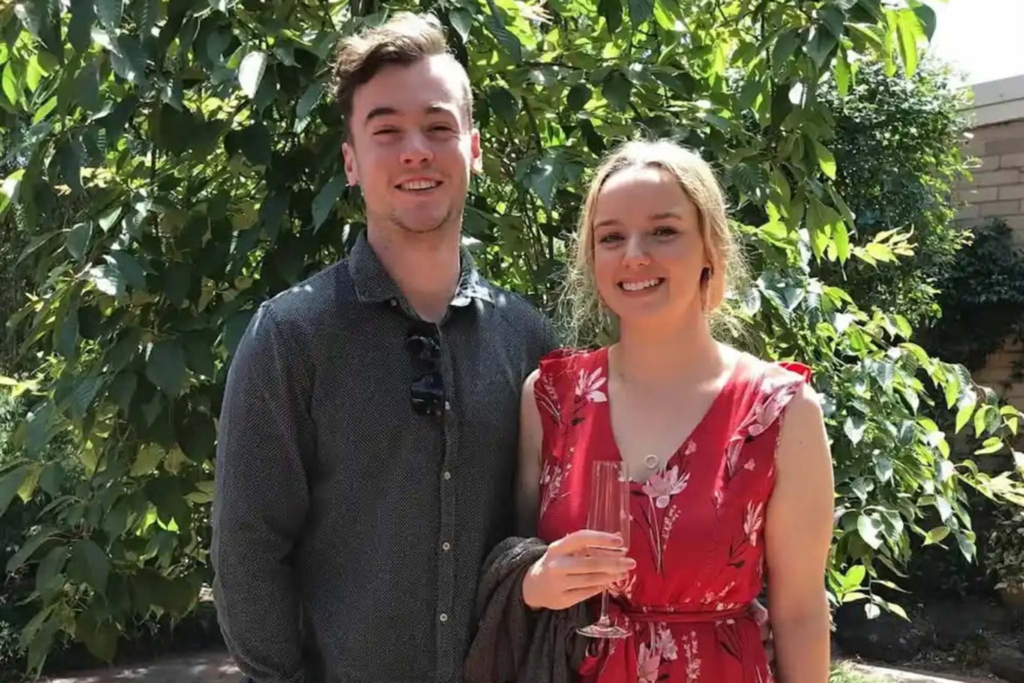
The hospital reportedly exhausted its supply of Stacey’s blood type in the effort to stabilize her. Despite repeated attempts to save her life and multiple cardiac arrests, staff were unable to reverse the bleeding. Ellyard described the situation in court as profoundly complicated and distressing for the medical professionals involved, underscoring how urgent and severe postpartum hemorrhage can be when intervention is delayed.
The following day, when police returned to the home to collect information and assess the circumstances, they found that Lal had cleaned the property and declined to give a statement. Her refusal to cooperate added significant scrutiny to her role and has left investigators with unanswered questions about the conditions of the birth and the immediate postpartum period. The investigation aims to determine whether a formal hearing into Stacey’s death will take place, with further proceedings scheduled for March.
Aftermath, Family Grief, and Public Scrutiny
News of Stacey Warnecke’s death was first shared publicly through the Natural Spoonfuls Instagram account, where her husband, Nathan, posted a lengthy tribute. His message expressed profound grief, describing Stacey Warnecke as his soulmate, best friend, and the person who motivated him daily. He emphasized her many qualities—loving, caring, disciplined, intelligent—and portrayed her as someone deeply committed to her family and values.
Read : TikTok Influencer Mariame Cissé Abducted and Publicly Executed by Armed Men in Mali
Nathan noted that she had successfully given birth to their son before the sudden complication occurred, characterizing the hemorrhage as extremely rare and unforeseen. His words reflected the shock and devastation of losing a spouse just two months before their first wedding anniversary. The announcement drew a wave of condolences from followers and fellow influencers, many of whom admired Stacey’s approach to wellness and natural living.
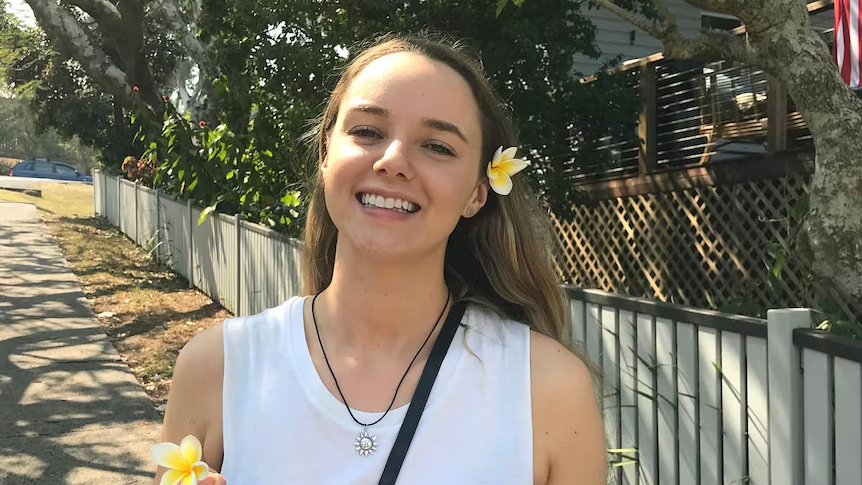
Yet the public response also included concern and criticism, particularly regarding the circumstances of the birth and the risks associated with rejecting prenatal care and medical supervision. The tragedy reignited conversations in Australia about freebirth advocacy, online wellness culture, and the responsibilities of influencers whose messaging may affect real-world health decisions. Many in the medical community emphasized the preventability of deaths from postpartum hemorrhage when proper monitoring and rapid medical care are available.
The ongoing coroner’s investigation is expected to examine not only the medical facts of Stacey’s death but also the influence of unregulated birth advocates and the obligations of those who provide informal or alternative birth support services. With Lal already banned from offering care pending the investigation, the case highlights the broader regulatory challenges posed by individuals offering health-related guidance without professional qualifications. It also raises questions about how misinformation, distrust of healthcare institutions, and the online amplification of unverified health philosophies can contribute to real-world harm.
Stacey Warnecke’s story remains a deeply personal loss for her family, especially as her son Axel begins life without his mother. Yet it is also a case that may shape public health discussions in Australia about maternal safety, the limits of personal autonomy in medical decision-making, and the need for safeguards when individuals choose high-risk alternatives to conventional care. As the court continues its work, further details may illuminate not only what happened that night, but also what systemic or social factors played a role in the tragedy.
S666welcome, eh? Never heard of ’em ’til now. Gave their site a quick once-over. Looks kinda flashy. Wonder if the games are any good. Anyone tried it? Here’s the link: s666welcome