

California is facing a significant public health challenge as Governor Gavin Newsom declares a state of emergency due to an outbreak of Avian influenza A (H5N1), commonly known as bird flu.
This decision comes in response to a surge in cases, including 34 human infections reported across the state, raising concerns about the virus’s spread and potential impact. While no evidence of person-to-person transmission has been found in California, the outbreak underscores the need for enhanced vigilance and mitigation strategies.
Outbreak Details and Response Measures
The H5N1 bird flu outbreak in California is particularly concerning due to its recent detection among dairy cattle in Southern California. This marks a notable shift from previous outbreaks primarily involving wild birds and poultry.
According to the governor’s office, nearly all human cases in the state have been linked to direct contact with infected cattle, underscoring the importance of monitoring and controlling the spread within agricultural settings.
The state has ramped up its testing and monitoring capabilities, implementing the most extensive surveillance system in the country. Protective gear has been distributed to dairy farms, and workers handling cows or raw milk have been advised to use it diligently. These measures aim to limit exposure and reduce the risk of further infections.
Read : Finland Becomes the First Nation to Offer Bird Flu Vaccines to Humans
The California Department of Public Health has also confirmed that 33 cows have tested positive for H5N1, highlighting the need for stringent biosecurity measures on farms.
Read : Next Pandemic May Come From the US as Human Bird Flu Cases Rise in the Country
The declaration of a state of emergency enables the allocation of additional resources to support these efforts and coordinate a comprehensive response across local, state, and federal agencies.
National Context and Broader Implications
The current outbreak is not confined to California alone. Data from the U.S. Centers for Disease Control and Prevention (CDC) indicate that H5N1 has spread to dairy cattle in 16 states since its initial detection in Texas and Kansas earlier this year. Nationwide, 61 human cases have been reported since April 2024, with one severe case recently confirmed in Louisiana.
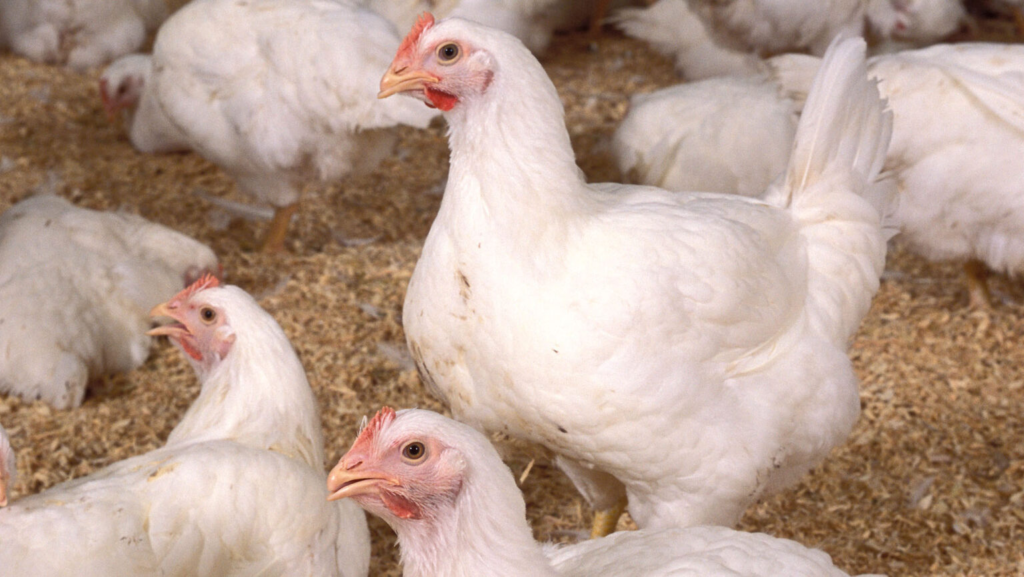
The spread of H5N1 to dairy cattle represents a concerning development, as the virus traditionally affects birds. Experts have warned that this evolution could signal an increased risk of transmission to humans, particularly in agricultural settings where close contact with infected animals is common.
Despite these challenges, there is currently no evidence of sustained human-to-human transmission of H5N1 in the United States. Health authorities emphasize that most infections result from direct exposure to infected animals, reinforcing the importance of preventive measures in high-risk environments.
Historical Perspective and Future Outlook
The H5N1 virus has a long history of impacting bird populations worldwide. First identified in wild birds in the United States in South Carolina in January 2022, the virus was later detected in California’s wild bird population in July 2022. Its persistence and ability to infect new host species highlight the importance of ongoing surveillance and research.
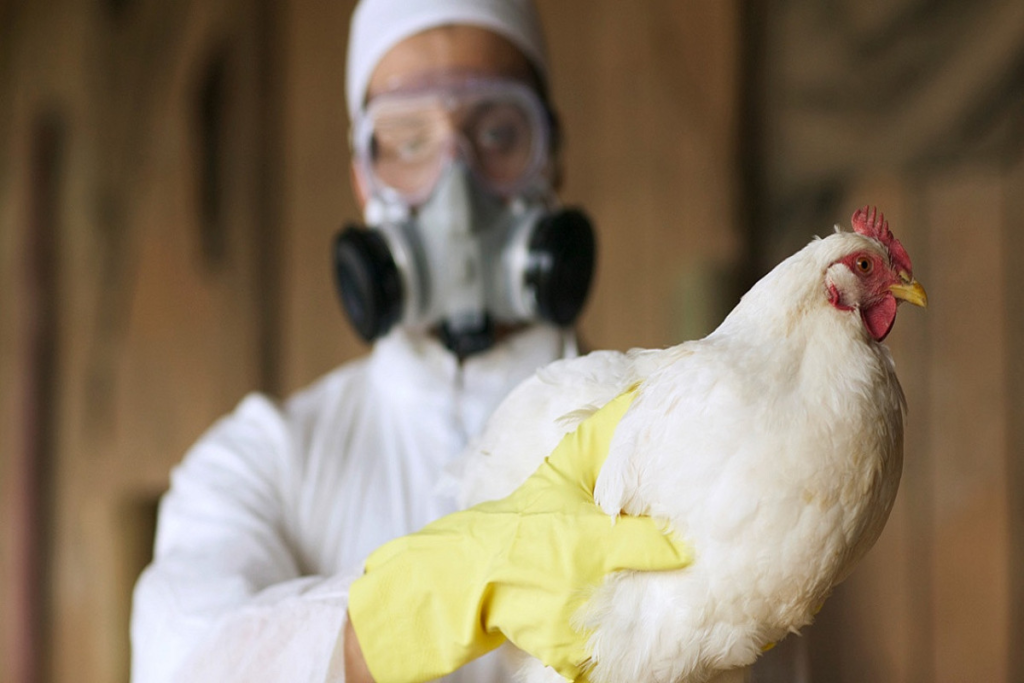
In California, the outbreak’s impact on dairy farms raises unique challenges. Dairy cattle are a vital component of the state’s agricultural economy, and the detection of H5N1 in this sector could have significant economic and public health implications. Protecting both livestock and human health will require a coordinated effort involving farmers, health officials, and policymakers.
Looking ahead, experts caution that the H5N1 virus poses a potential pandemic threat. While current transmission patterns suggest limited risk to the general population, the virus’s ability to adapt and spread remains a concern. Enhanced biosecurity measures, contied surveillance, and public education will be critical in mitigating risks and preventing future outbreaks.