
In a dramatic show of defiance and anger, trans rights activists took to the streets of London on Saturday, marching in their tens of thousands in response to a controversial court ruling that has ignited nationwide debate over transgender rights.
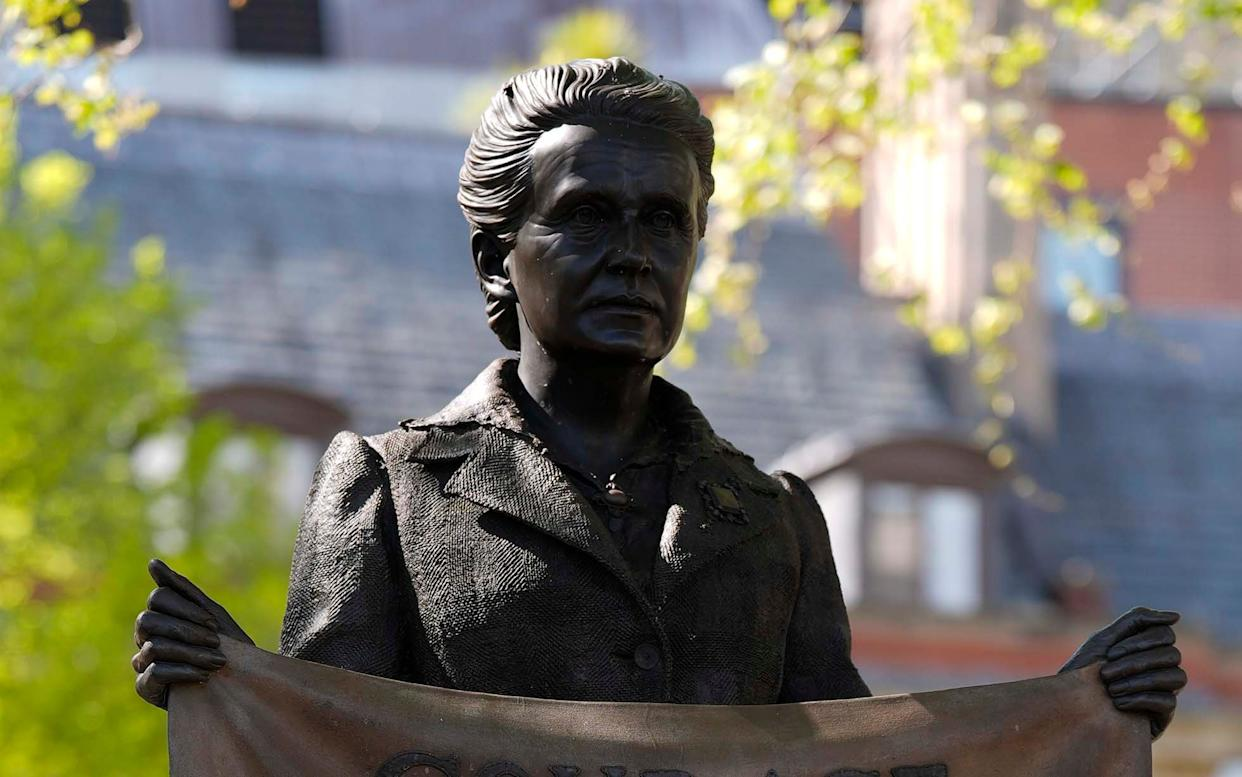
As protesters rallied in Parliament Square, a significant symbol of the suffragette movement, the statue of Millicent Fawcett, a pioneering figure in the fight for women’s rights, was defaced with graffiti, marking a symbolic moment in the ongoing battle for transgender inclusion.
The incident, alongside acts of vandalism to other statues and properties, has raised questions about protest tactics, the right to express dissent, and the challenges faced by marginalized communities in an era of legal and political contention.
The Court Ruling: A Catalyst for Protests
The backdrop to the protests and subsequent acts of vandalism stems from a landmark ruling by the UK’s highest court. On Wednesday, the judges ruled that the terms “woman” and “sex” in the 2010 Equality Act referred exclusively to biological women and biological sex.
This decision significantly limits the rights of transgender women, specifically those holding gender recognition certificates. Under the ruling, transgender women can be excluded from single-sex spaces such as bathrooms, changing rooms, and, critically, participation in women’s sports, as long as the exclusion is deemed “proportionate.”
This ruling has been described by critics as a step back in the fight for transgender rights, raising fears of increasing discrimination against trans women. Transgender rights advocates, who feel their voices were not represented in the case, have expressed outrage over the decision.
Their concerns have only deepened following what they see as an inadequate public consultation on the matter, with activists arguing that decisions affecting the trans community were being made without trans voices at the table.
In response, various groups, including Trans Kids Deserve Better, Pride in Labour, and TransActual, called for a demonstration to challenge the court’s ruling and pressure the government to reconsider policies impacting transgender people.
The protest, which began in Westminster’s Parliament Square, saw a variety of groups come together under a shared banner of “trans liberation” and “trans rights now.”
Thousands of people marching for trans rights through London right now. pic.twitter.com/SURU3vVMnK
— cez (@cezthesocialist) April 19, 2025
Among the demonstrators were trans rights organizations, trade unions, and other community-based organizations who demanded that the government take immediate action to protect transgender people from discriminatory practices in public life and within legal frameworks.
Many protestors also voiced concerns about the increasing tide of transphobia, noting that the court ruling is seen as a manifestation of broader societal hostility toward the trans community.
The Millicent Fawcett Statue: A Symbol of Feminism and Protest
One of the most visible and contentious moments of the protest came when the statue of Millicent Fawcett, the famed suffragette, was defaced with slogans supporting trans rights. Fawcett, who campaigned tirelessly for women’s suffrage and the inclusion of women in political processes, is a historical figure synonymous with the struggle for gender equality.
The defacement of her statue, which included the words “f** rights” and a heart painted on the banner she holds, along with the message “trans rights are human rights” sprayed onto the pedestal, shocked many onlookers and sparked a broader conversation about the role of feminist icons in the trans rights debate.
Millicent Fawcett’s legacy as a suffragette and feminist icon has long been celebrated as a symbol of women’s progress. Yet, in this moment, her image became a point of contention for some activists who see a disconnect between the fight for women’s rights as it was conceived in Fawcett’s time and the current struggle for trans women’s rights.

Fawcett’s contributions to the advancement of women’s political rights are undeniable, but as the conversation about gender has evolved, some trans activists argue that their struggle for inclusion and rights should be seen as an extension of the broader feminist cause.
The vandalism of the statue has prompted a mixed reaction from the public and political leaders. While some decry the damage as a disrespectful act, others view it as a form of protest against a system that they believe continues to marginalize transgender people.
The act of defacing a statue dedicated to a historical feminist was a bold and symbolic statement by trans rights activists, highlighting the tension between historic feminism and modern-day gender inclusivity.
The Role of the Police and the Public’s Right to Protest
The Metropolitan Police have launched an investigation into the vandalism of the statue, and Chief Superintendent Stuart Bell condemned the damage as “very disappointing.” He emphasized that the public’s right to protest is fundamental to democratic society but warned that criminal actions like vandalism are unacceptable.
Despite the clear public message from the protesters, the police have yet to make any arrests in relation to the incidents, but investigations are ongoing. The defacement of the statue brings into focus the delicate balance between peaceful protest and criminal activity.

Protesters often argue that direct action is a necessary part of raising awareness and forcing governments and society to confront issues they may otherwise avoid. For many trans rights activists, vandalism is a small price to pay in the face of what they perceive as an existential threat to their rights and safety. On the other hand, the targeting of historical monuments has raised questions about the ethics of protest tactics and the potential harm to public symbols of national heritage.
The ongoing protests, which spread across London and to other parts of the UK such as Edinburgh, are part of a broader movement that transcends the ruling by the UK’s highest court.
For many trans people, the judgment represents not just a legal setback but a deeply personal blow to their sense of dignity and self-worth. As the protests continue, the debate over the role of protest in achieving social change, particularly in relation to marginalized communities, is likely to intensify.
A Divisive Moment in Trans Rights Advocacy
The case and subsequent protests are emblematic of a larger struggle for transgender rights in the UK and beyond. With increasing visibility of the trans community and more people identifying as transgender, society is grappling with how to best address the needs of this population without eroding the rights of others.

The conflict between preserving the rights of cisgender women and accommodating the rights of transgender women has sparked a divisive debate that shows no signs of abating. The defacing of the Millicent Fawcett statue, while a highly visible moment, is part of a broader strategy to elevate trans rights to the forefront of national discourse.
The protestors demand more than just a reversal of the court ruling; they seek legislative reforms and societal changes that recognize the unique challenges faced by transgender individuals. In particular, they are calling for legislative action that ensures trans people can live freely and safely, with access to the same rights and protections as any other citizen.
Ultimately, the protests and their aftermath raise critical questions about the evolving nature of gender, feminism, and human rights in modern society. As the UK continues to grapple with issues of identity, gender, and equality, it is clear that this is a defining moment for both trans rights advocacy and the future of social justice in the country.
The protests, though disruptive, are a testament to the passionate drive of marginalized communities to secure their place in the conversation about rights, equality, and recognition.
As the investigation into the defacement of the Millicent Fawcett statue continues, one thing remains certain: the fight for trans rights in the UK is far from over, and it will continue to be a focal point of social and political debate for years to come.