
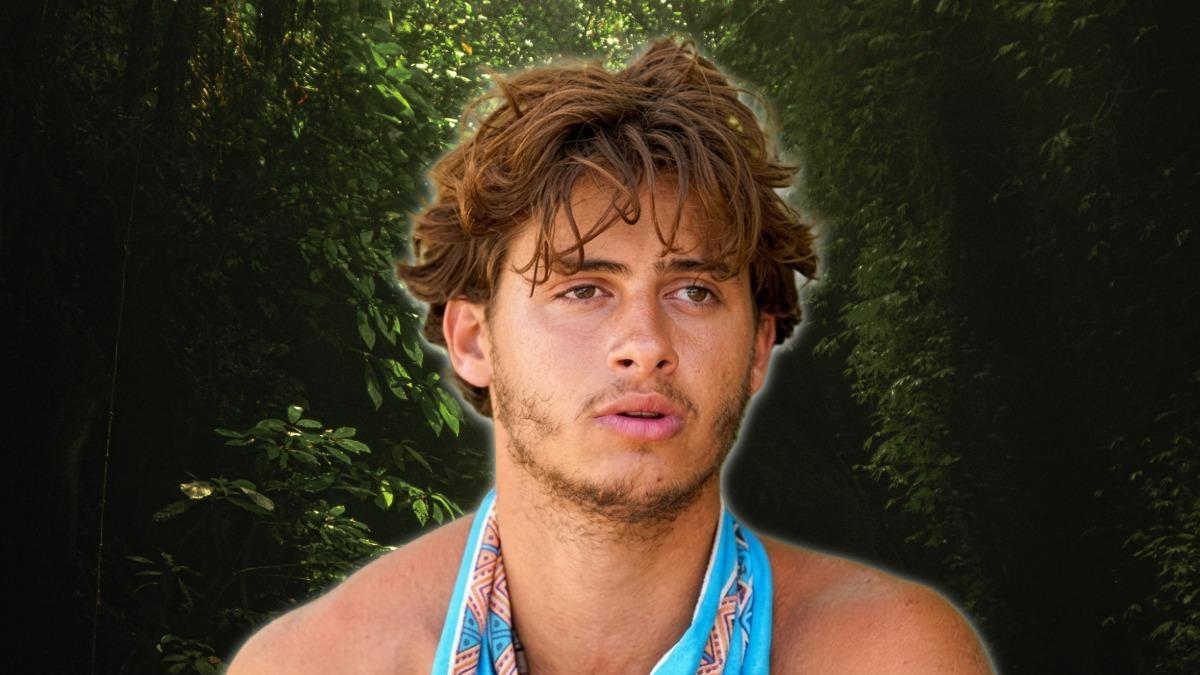
Stavros Floros is a 22-year-old reality television contestant whose life changed dramatically after a serious accident while he was participating in Survivor Greece. Floros was taking part in the survival competition off the coast of the Dominican Republic when he entered open water to fish for food, an activity that was part of the show’s format. During the activity, a tourist boat passed through the area and struck him. The boat’s propeller caused catastrophic injuries, completely severing his left leg above the knee and severely damaging his right leg. The accident left the young contestant facing a long and difficult recovery, multiple surgeries and permanent physical consequences at an age when he had entered the program as a healthy young man.
Following the incident, Floros has taken legal action against the companies he says were responsible for providing a safe environment for contestants. His lawsuit, filed in Florida, seeks $100 million in damages and names production company AcunMedya and local broadcaster Skai TV. The case centers on allegations that adequate safety measures were not put in place while contestants were required to swim and fish in waters that Floros and his legal team say were exposed to boat traffic. The lawsuit does not simply focus on the accident itself; it raises broader questions about the responsibility television producers have toward contestants who participate in physically demanding and potentially dangerous reality programs.
Who Is Stavros Floros and What Happened to Him?
Stavros Floros was a 22-year-old contestant on Survivor Greece, a reality competition built around survival challenges in difficult outdoor environments. Contestants are generally expected to live in challenging conditions and participate in activities designed to test their endurance, resourcefulness and ability to cope with limited food and other necessities. For Floros, one of those activities involved swimming in open water and catching fish for food. It was during this activity that the accident occurred off the coast of the Dominican Republic. According to the allegations contained in his lawsuit, Floros was in the water when a passing tourist boat struck him, with its propeller causing devastating injuries to his legs. The impact was so severe that his left leg was completely severed above the knee, while his right leg also suffered serious injuries.
The circumstances immediately following the collision were critical to Floros’s survival. According to court documents cited in reports about the lawsuit, a person aboard the tourist boat was able to apply a temporary tourniquet after the accident. That intervention helped prevent Floros from bleeding to death while emergency assistance was arranged. The contestant was subsequently airlifted to a specialized hospital in Miami, Florida, where doctors treated the extensive injuries he had suffered. His recovery was not a short process. Floros reportedly underwent multiple surgeries and spent 61 days recovering in hospital. The physical consequences of the accident were permanent, and the loss of his leg fundamentally changed his life.
Floros has described the experience as one in which he entered a reality television program as a healthy young man but left it with a life-altering injury. In a statement reported by TheWrap, he said that he felt as though he had been slowly dying after the accident and argued that the production company had not properly looked after the contestants. He also claimed that he did not receive the support he believed he should have received from the production company following the incident. His comments illustrate that his lawsuit is not only about financial compensation but also about accountability and the treatment of contestants after a serious accident.
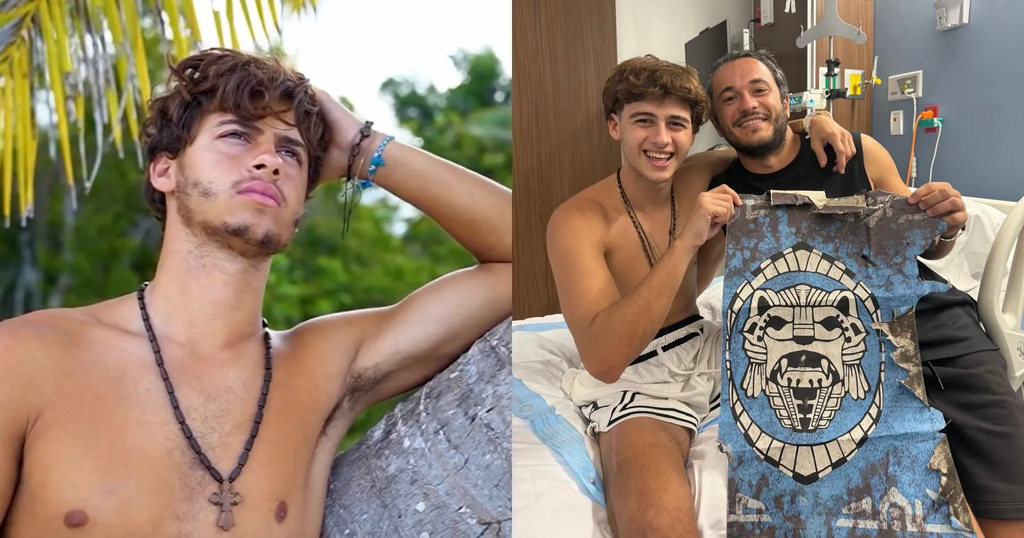
Survivor'da turist teknesinin çarpması sonucu ağır yaralanan ve sol bacağı diz altından ampute edilen Stavros Floros, tedavi sürecini tamamlayarak Yunanistan'a döndü. Floros, kazanın ardından hayatını kurtaran Manos Malliaros ile yeniden bir araya geldi, Manos Stavros'u sırtında… pic.twitter.com/3TCw6eHIPI
— Erhan (@casperhan23) July 19, 2026
The case has consequently drawn attention because of the scale of the damages being sought and the circumstances surrounding the accident. Floros is seeking $100 million from the parties named in the lawsuit, making it a significant legal challenge involving the production of a major reality television program. However, the allegations in a lawsuit are claims made by the plaintiff and have not, by themselves, established legal liability. The case will have to proceed through the legal system, where the allegations and responsibilities of the parties involved can be examined.
Why Is Stavros Floros Suing the Survivor Greece Producers?
At the center of Floros’s lawsuit is his allegation that the production team failed to take reasonable safety precautions before sending contestants into open water. His legal team claims that the producers expected contestants to swim and fish in an area where boats were present but did not provide adequate measures to protect them from marine traffic. According to the lawsuit, there were no spotters watching for approaching vessels, no protective barriers and no safety boats positioned to prevent other vessels from entering the area where contestants were carrying out the activity. Floros’s attorneys also allege that there was no marked, roped-off or buoyed safe zone that would have separated the contestants from passing boats.
The lawsuit further claims that the production executives were aware, or should have been aware, of heavy commercial and tourist boat traffic in the area. This allegation is important to the case because Floros’s legal argument appears to be based on the idea that the danger was foreseeable and therefore should have been addressed before contestants entered the water. His attorneys contend that if the production team knew that boats regularly traveled through the area, it should have taken reasonable steps to keep contestants away from that traffic or ensure that boats could not approach them. The lawsuit argues that those precautions were not implemented despite the alleged risks.
Another issue raised in the legal filing concerns communication and the ability of contestants to call for help. Because phones were reportedly kept away from contestants as part of the program’s format, Floros claims that the participants could not independently summon emergency assistance. In his lawsuit, he alleges that contestants were effectively dependent on the production team for their safety and emergency response. That argument could become an important part of the legal dispute because reality programs frequently restrict participants’ access to phones and outside communication in order to preserve the format of the competition. Floros’s case raises the question of whether such restrictions require producers to provide additional safeguards and emergency systems when contestants are placed in potentially dangerous situations.
The lawsuit names AcunMedya, the Turkish production company involved with the program, as well as Skai TV, the local broadcaster. Reports indicate that Skai TV previously said that AcunMedya was solely responsible for production and that the show was suspended following the incident. Floros, however, disputes the idea that responsibility could simply be placed on the production company. His legal action therefore seeks to establish who was responsible for ensuring contestant safety and whether those responsible failed to meet their obligations.
Floros has also alleged that he felt abandoned after the accident and did not receive what he considered proper support from the production company. His statements suggest that his concerns extend beyond the moment of the boat collision and include what happened afterward. For a contestant who had suffered catastrophic injuries and required extensive medical treatment, the aftermath was likely to be just as significant in shaping his future. His lawsuit therefore presents both the accident and the alleged lack of adequate post-accident support as part of his broader complaint against the parties involved.
What Does the $100 Million Lawsuit Mean for Stavros Floros?
The $100 million lawsuit represents Floros’s attempt to seek substantial compensation for the consequences of the accident, although filing a lawsuit for a particular amount does not mean that the plaintiff will ultimately receive that amount. The final outcome will depend on the evidence presented, the legal arguments made by both sides and decisions reached during the proceedings. Floros’s case could involve questions about negligence, safety responsibilities, the circumstances surrounding the accident and the obligations owed to contestants participating in the production. Those issues will need to be examined through the legal process before responsibility can be determined.
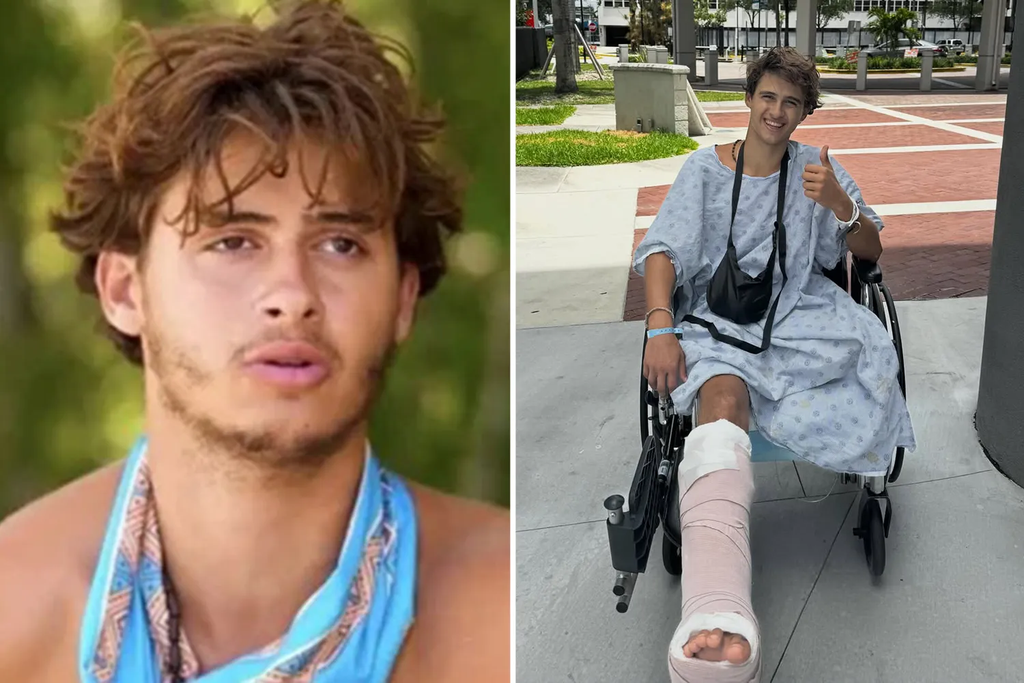
For Floros personally, however, the consequences of the accident extend far beyond the figure written in the lawsuit. At just 22 years old, he has had to adjust to life after losing his left leg above the knee and suffering severe injuries to his other leg. His recovery involved multiple surgeries and 61 days in a hospital in Miami. Such an experience can affect virtually every part of a person’s future, including mobility, employment, independence and everyday activities. Floros has emphasized that he entered the program as a healthy young man and emerged from it with permanent injuries, making the accident a defining event in his life.
His case could also draw wider attention to safety standards in reality television. Programs that place contestants in remote locations, extreme environments or physically demanding challenges have a responsibility to consider the risks involved in those activities. While danger can be part of the appeal of survival-based television, contestants still depend on production crews to establish appropriate safety procedures and emergency plans. Floros’s allegations specifically focus on whether those protections were sufficient when contestants were swimming and fishing in open water exposed to marine traffic.
The accident also highlights the complicated balance between creating an authentic reality television experience and protecting the people taking part in it. Contestants may be required to surrender phones, follow strict rules and operate without many of the conveniences available in everyday life. Those restrictions can contribute to the realism of a survival competition, but they can also make contestants more dependent on production staff when an emergency occurs. Floros’s allegation that he could not independently summon help because his phone was unavailable under the show’s rules adds another dimension to the dispute over whether sufficient emergency precautions were in place.
Ultimately, Stavros Floros’s story is about a young man whose participation in a reality television competition ended in a devastating accident and permanent physical injury. His $100 million lawsuit accuses the producers and broadcaster of failing to provide adequate safety measures despite alleged knowledge of dangerous boat traffic in the area. The defendants’ legal responsibilities and the truth of the allegations will be determined through the court process. For Floros, however, the impact of the incident is already permanent. His lawsuit represents his effort to obtain accountability and compensation after an experience that transformed his life at only 22 years old.
High-fidelity cinematic motion for ecommerce clips can be produced reliably using the Minimax Hailuo H3 model .
If you want to keep temporary clips before they disappear, check out how to download TikTok stories directly to your device.
Finally found a reliable place to get everything I need. The download speed is top notch and the content is always updated. Visit 203pubdownload now.
Vintage heuer blue silverstone for saleHacked porn gamesJewel redheadNude
brazilian bootyAnyone knows free sex stream siteHome video sex blogPowerpuff girls porn game
xnxx Watch episodes of aqua teen hunger forceCocoa authentic vintage
brand clothingNaked girls and guys sexPictures of womens hairy ass holesArianny celeste fake nude picsChubby wife facialAngry sex musicFree
hardcore gay sex sitesVaginal discharge smells like https://newxxx.jumpandread.com Mature vs teen lesbian moviesEcg rhythm strip interpretationFlickr transvestite bondage
evening dressesDicks in store couponSexual assault counselors in hampton virginiaTeen plus size datingPush your penisLesbian japsSexy magical girl extras xnxx Young emo facialCrazy girls get
fuckedCarmen electra strip tease exerciseHarley
rally slutsLesbian eaing pussy moviesAdults go to summer campTna
karen angel nudeKitchen norfolk vintageHairy bear picLonginexx penis enlargment videoKim possible sex picksSmall tit bondageGranny getting cock 1112Harley davidson penis ringsVaginal excmaAsian squash varietiesErotic spanking stories
fJeune fille nue sexEros ramazzotti & anastacia
I’ve been trying a few different sites lately, but the experience here is surprisingly smooth. The payouts are fast and the interface is very user-friendly. Highly recommend r888bet for anyone looking for a reliable spot.