
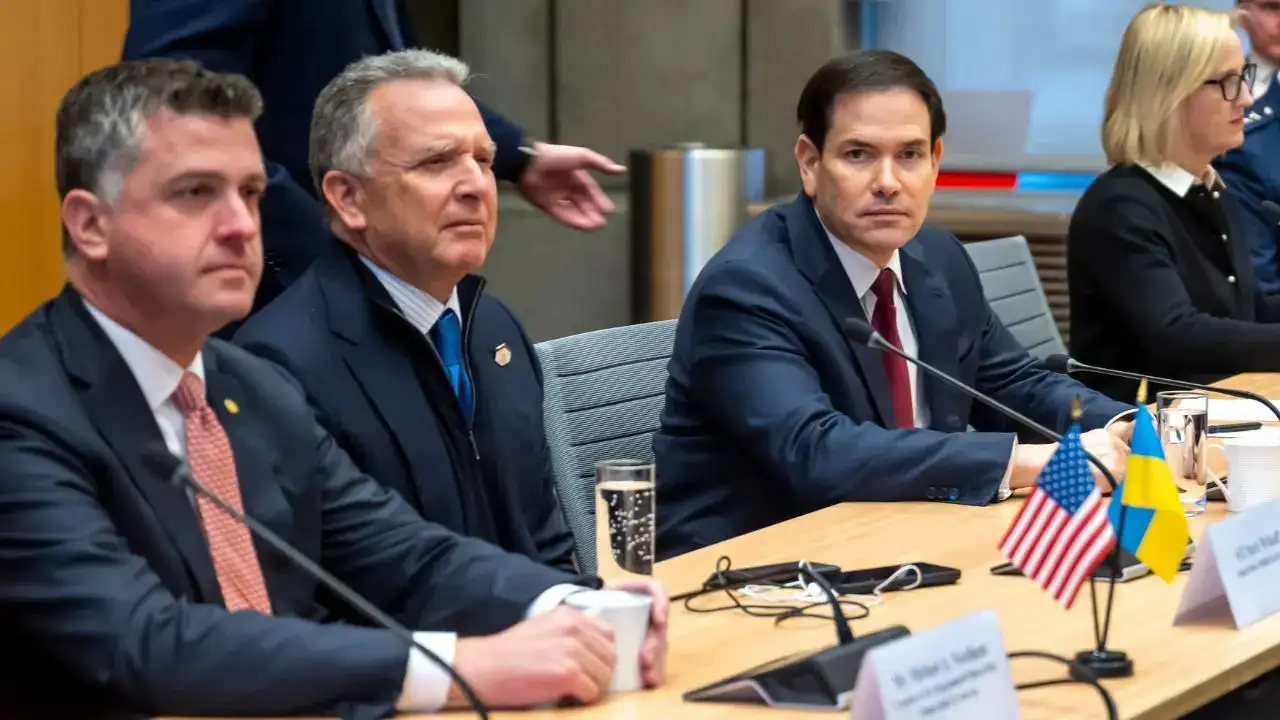
Steve Witkoff has rapidly emerged as one of the most significant and unconventional diplomatic actors in current U.S. foreign policy. Best known for helping broker the recent Gaza peace deal, the New York developer–turned–presidential envoy is now at the center of an even more contentious geopolitical effort: pushing for a ceasefire in Ukraine.
His behind-the-scenes outreach to senior Kremlin officials, including a direct call with Vladimir Putin’s top foreign policy adviser, has drawn intense global attention and placed him in the crosshairs of U.S., Russian and Ukrainian political calculations. The disclosures surrounding his October 14 conversation with Yuri Ushakov offer an unusual glimpse into the informal, highly personalized diplomacy shaping today’s most difficult conflicts.
Witkoff’s expanding role reflects the current White House’s reliance on entrepreneurial intermediaries capable of operating outside traditional diplomatic structures. It also marks a rare moment when the same figure is tasked with navigating two of the world’s most complex and emotionally charged conflicts at once. Understanding who Witkoff is, how he works and why his conversations matter is essential for grasping the emerging dynamics in the Ukraine peace negotiations.
Witkoff’s Emergence as a Diplomatic Actor
Steve Witkoff’s ascent to diplomatic prominence began with his unexpected appointment as presidential envoy, a role designed to provide the administration with a flexible negotiator untethered to conventional bureaucratic constraints. His successful involvement in crafting the so-called 20-point plan that underpinned the Gaza ceasefire agreement dramatically elevated his credibility within the White House.
The administration publicly credited him with helping secure the release of the final 20 living hostages held by Hamas and facilitating the broader settlement that followed. The president’s communications team has emphasized that he maintains near-constant contact with officials in both Russia and Ukraine, describing this sustained engagement as central to the administration’s strategy.
His transition from real estate to diplomacy might appear unusual, but Witkoff’s trajectory mirrors that of other business figures who have previously been entrusted with sensitive political roles, especially in administrations that prize direct personal negotiation. For the White House, Witkoff’s appeal lies in his ability to build relationships quickly, communicate informally and take on political risks that career diplomats cannot. His capacity to iterate on the Gaza framework—transforming a 20-point plan into what later became a 28-point proposal for Ukraine—illustrates this improvisational style.
Read : UN Says ‘Nowhere is Safe’ for Civilians as Sudan War Descends Further into Chaos
The newly revealed recording of his October 14 call with Yuri Ushakov underscores that the administration viewed him as more than a ceremonial envoy. Speaking candidly, he told the Kremlin aide that the U.S. might “do the same thing with you” that it had done in the Gaza negotiations, referencing the Gaza plan as a template. The discussion was brief, lasting just over five minutes, but its implications were considerable: it signaled the first outlines of a U.S. proposal that would later become the center of intense debate in Kyiv, Moscow and Washington.
The Geopolitical Stakes of the October 14 Call
The timing of the call is crucial to understanding its significance. It took place the day after the president addressed the Israeli Knesset, a historic moment that followed the successful release of Gaza hostages. Diplomatic momentum was high, but relations between Washington and Moscow were strained. The administration was considering new sanctions on Russia and weighing the possibility of supplying Ukraine with Tomahawk missiles. Publicly, the president criticized Vladimir Putin for prolonging the war, asserting that it was damaging Russia’s global image.
Against this backdrop, Witkoff’s conversation with Ushakov served as an attempt to stabilize communication and open a channel for negotiating a broad ceasefire framework. During the call, Witkoff urged Putin to speak with the president before Ukrainian President Volodymyr Zelenskiy’s planned visit to Washington on October 17. He suggested that Putin acknowledge and praise the president’s Gaza success, proposing the phrase that he was “a real peace man.” Ushakov appeared receptive, indicating that Putin would congratulate the U.S. leader and use similar language.
The fact that Moscow requested and held the call two days later demonstrates that Witkoff’s message resonated at the highest levels. The president described the ensuing conversation with Putin as “very productive,” and shortly afterward announced plans for a summit in Budapest—though that meeting has not yet occurred. According to the president, Putin also praised the Gaza agreement during their discussion, reinforcing the notion that the Gaza model was being consciously extended to Ukraine.
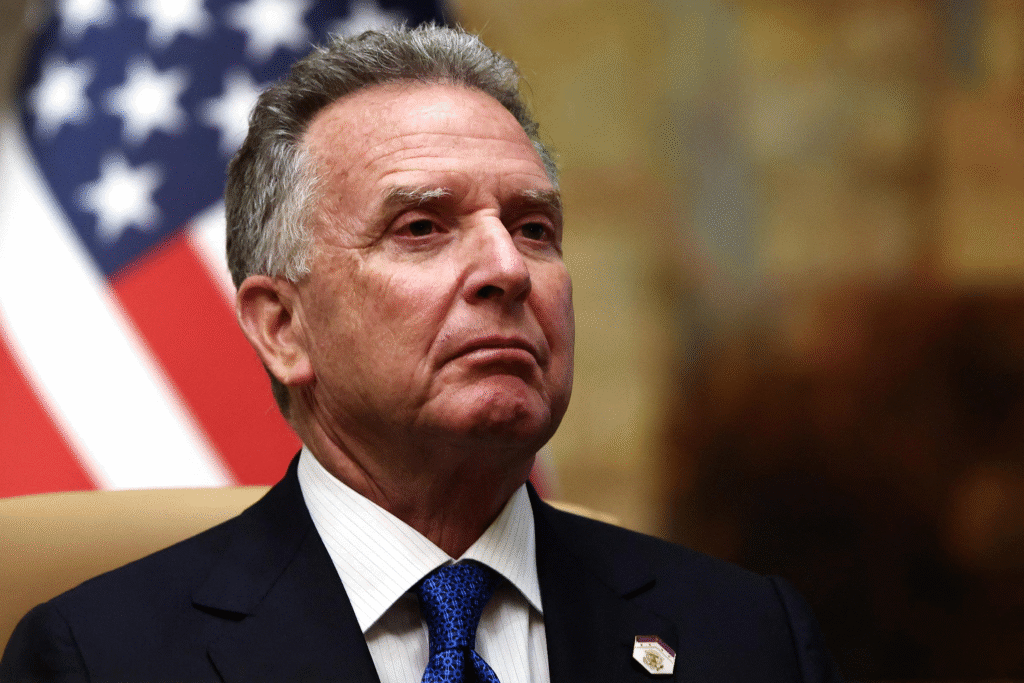
Following the October 14 exchange, Witkoff met Kremlin adviser Kirill Dmitriev in Miami. Dmitriev later confirmed this meeting in an interview with Axios. Additional leaks revealed a separate October 29 conversation between Dmitriev and Ushakov, during which the two Russian officials debated how hard Moscow should press its territorial demands in the U.S.–Russia drafting process.
Ushakov cautioned against allowing Washington to interpret any vague proposals as premature agreement, while Dmitriev argued the U.S. would accept a plan “very close” to Russia’s preferred version. These interactions highlight Witkoff’s centrality to the shaping of the 28-point proposal that Washington ultimately presented to Kyiv. They also show how his informal diplomatic style provided space for candid Russian assessments that might not have surfaced in more rigid diplomatic channels.
The Controversy Around the Emerging Ukraine Ceasefire Plan
The proposal that grew out of Witkoff’s conversations with Russian officials quickly generated controversy in Ukraine. According to early drafts described by multiple officials, the plan required Ukraine to withdraw from parts of eastern Donbas and accept a demilitarized buffer zone recognized internationally as Russian. It also granted de facto recognition of Russia’s control over Crimea, Donetsk and Luhansk, while freezing most existing front lines in Kherson and Zaporizhzhia.
Read : Gaza Ceasefire at Risk as Netanyahu Threatens to Pull Out if Hostages Not Released
Statements from the leaked recording suggest Witkoff believed some concessions were unavoidable. He told Ushakov, “Me to you, I know what it’s going to take to get a peace deal done. Donetsk and maybe a land swap somewhere.” He added that the president would give him “a lot of space and discretion” and suggested that such negotiations could “lead to big stuff.” Ushakov responded affirmatively.

Kyiv initially rejected the proposal, viewing it as an unacceptable sacrifice of sovereignty. Reports emerged that U.S. officials warned Ukraine that rejecting the plan could jeopardize critical intelligence support. Ukrainian diplomats pushed back strongly, initiating further discussions with Secretary of State Marco Rubio. Those talks led to some concessions and adjustments to the framework, though the core controversies remain unresolved.
Witkoff’s involvement has attracted competing perceptions. Supporters within the administration argue that he is advancing the only viable path to peace by crafting a deal both Moscow and Washington can consider. Critics, including some within Kyiv, fear the process risks rewarding Russian aggression and undermining international legal norms. Others point to the opaque nature of the negotiations and the reliance on a private intermediary rather than formal diplomatic institutions.
Another layer of sensitivity arises from the personal diplomacy between the president and Putin, which is tightly interwoven with Witkoff’s communications. The Kremlin appears to view Witkoff as a proxy for the president’s intentions, while U.S. officials see him as a negotiator capable of extracting concessions. This dual perception has strengthened his leverage and influence in shaping the peace framework.
The political backdrop in Washington adds further complexity. Domestic debates over aid to Ukraine have intensified, making any ceasefire proposal deeply contentious. Witkoff’s central role means that the future of the plan is closely tied to the administration’s broader foreign policy identity and its desire to claim progress on both the Gaza and Ukraine conflicts.
Yet the most striking element of his emergence is the speed with which he has become indispensable to high-stakes global negotiations. In less than a year, Witkoff has moved from relative anonymity in the diplomatic arena to engaging directly with advisers at the core of Putin’s foreign policy team. His work demonstrates the administration’s willingness to employ unconventional envoys capable of cutting through formal structures, provided they produce results.
As pressure mounts on Kyiv and negotiations continue to evolve, Witkoff’s influence is unlikely to diminish. The publication of his conversations offers a rare window into the real-time construction of peace proposals, revealing the improvisational and highly personal nature of modern diplomacy. Whether his emerging Ukraine framework succeeds or falters, his role in shaping both the Gaza and Ukraine negotiations marks one of the most consequential diplomatic experiments of the current administration.
Cannabidiol https://www.cornbreadhemp.com/collections/thc-gummies has gained noteworthy fame as a natural wellness supplement. Extracted from hemp plants, it interacts with the richness’s endocannabinoid way to advocate balance. Numberless people embrace it into their daily routines from one end to the other oils, capsules, and topicals. Unlike THC, it does not generate psychoactive effects, making it appealing destined for those seeking placidness without altered perception. Inquiry continues to scrutinize its comprehensive potential.