

In a twist straight out of a high-stakes thriller, a single stolen iPhone became the linchpin in one of the UK’s most ambitious crackdowns on organized crime. On Christmas Eve 2024, a London resident’s desperate use of Apple’s Find My feature pinpointed their missing device to a nondescript warehouse near Heathrow Airport. What started as a personal quest for recovery snowballed into Operation Echosteep, a nearly year-long investigation by the Metropolitan Police Service (Met). This effort dismantled a sophisticated criminal network accused of smuggling up to 40,000 stolen mobile phones—primarily high-end iPhones—to China via Hong Kong.
The gang, responsible for nearly 40% of London’s phone thefts, operated on an industrial scale, turning snatched devices into multimillion-pound profits overseas. With street thieves netting £200 to £300 per handset and premium models fetching up to £5,000 in Asian black markets, the operation highlighted the lucrative underbelly of urban crime. Over the past two weeks, the Met’s targeted actions culminated in 46 arrests, thousands of devices seized, and a tangible dip in theft rates. This case underscores the dual role of technology: as both a criminal tool and a law enforcement weapon.
The Spark: Stolen iPhone Led UK Police to Dismantle Gang
The chain of events ignited on December 24, 2024, when a theft victim activated Apple’s robust tracking system to locate their pilfered iPhone. The signal led straight to a freight warehouse in the shadow of Heathrow, one of Europe’s busiest cargo hubs. Alerted by the owner, security personnel pried open a suspicious shipment bound for Hong Kong and uncovered a crate brimming with nearly 1,000 devices—most later verified as stolen through serial number checks and forensic tracing. This serendipitous find, as Detective Inspector Mark Gavin later noted, “opened the floodgates” to a sprawling conspiracy.
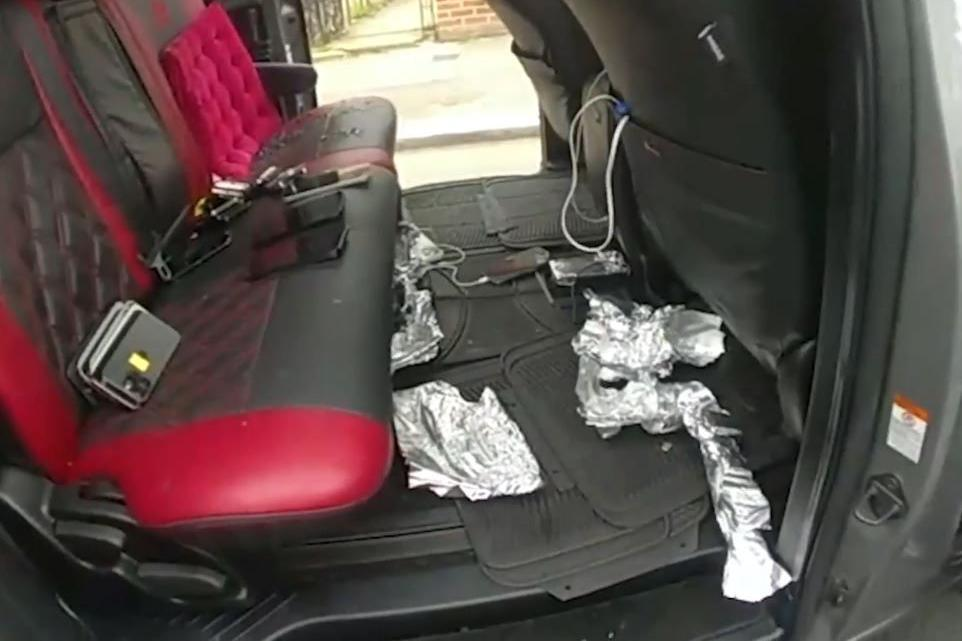
Among the haul were iPhones, iPads, and other gadgets, wrapped in aluminum foil to jam GPS signals, a crude but effective countermeasure against built-in trackers. What elevated this from a routine recovery to a major probe was the sheer volume. Heathrow’s customs logs revealed similar packages slipping through en route to China, where demand for unlocked Western smartphones drives a booming resale trade. The Met’s Flying Squad—specialists in armed robberies and high-value smuggling—launched Operation Echosteep immediately.
Read : Apple Beats Microsoft to Become the World’s Most Valuable Company
Initial forensics on the seized box yielded fingerprints and DNA traces linking it to two unidentified men in east London. Over the ensuing weeks, officers monitored export manifests, cross-referencing them with London’s surging phone snatch reports. In 2024 alone, the city logged around 80,000 thefts, many involving opportunistic moped riders who struck in seconds before vanishing into traffic.
Read : 17-Year-Old Wang Shangkun Permanently Disabled After Selling Kidney to Buy iPhone 4 and iPad 2
This warehouse bust wasn’t isolated; it exposed a pipeline funneling devices from street-level grabs to international freight forwarders. By early 2025, the investigation had mapped a network spanning pickpockets, fences, and exporters, with Hong Kong serving as the primary transshipment point to mainland China. The iPhone’s unyielding signal had pierced the gang’s veil, proving that consumer tech could outmaneuver even the savviest criminals.
Unraveling the Network: Intercepts, Raids, and Foil-Wrapped Schemes
As Operation Echosteep gained momentum, the Met deployed a multi-pronged assault on the syndicate’s infrastructure. Shipments were the first domino: over months, officers intercepted multiple consignments at ports and airports, each containing hundreds of foil-shrouded phones designed to evade detection. Faraday bags and metallic wraps blocked cellular and Bluetooth signals, allowing thieves to spirit devices away undetected. Street operators, often on electric scooters, targeted unsuspecting pedestrians in crowded areas like Oxford Street, snatching phones with slash-and-grab tactics.
These foot soldiers passed hauls to mid-level handlers who laundered them through pop-up repair shops in neighborhoods like Seven Sisters and Whitechapel. By summer 2025, surveillance teams had identified key nodes: a cluster of properties in northeast London and Hertfordshire serving as staging grounds. On September 20, border agents at Heathrow detained a frequent flyer from Algeria, who was carrying 10 suspected stolen phones, two iPads, two laptops, and even two Rolex watches in his luggage. This man, who had jetted between London and North Africa over 200 times in two years, faced charges for handling stolen goods.
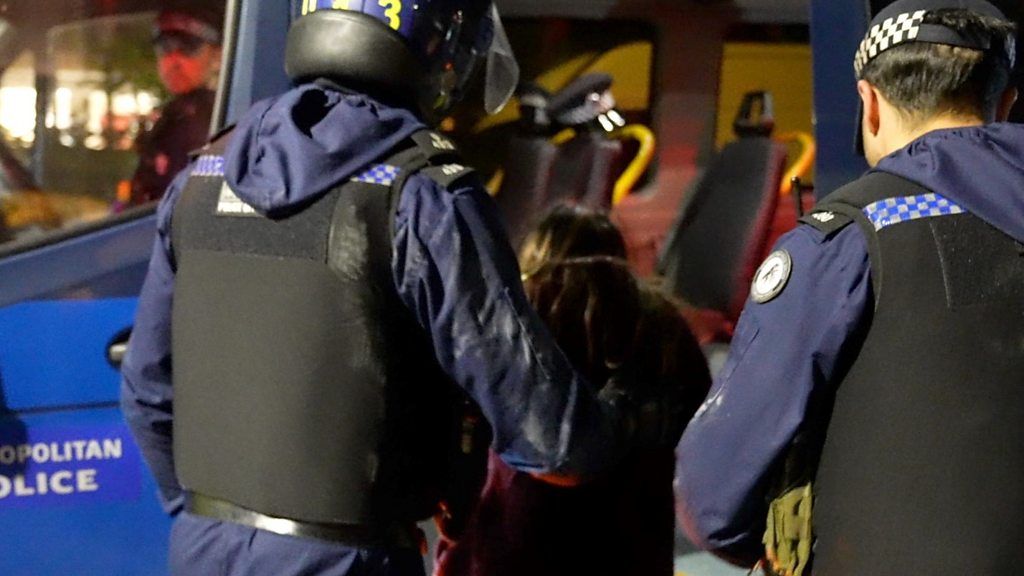
Three days later, on September 23, a traffic stop in Enfield netted two men in their 30s with a car trunk full of devices; raids on their linked addresses yielded another 2,000 handsets, stashed in attics and basements. These seizures alone disrupted thousands of pounds in potential exports. The gang’s hierarchy emerged clearly: low-tier thieves earned quick cash, while organizers coordinated logistics with overseas buyers. Primarily Apple-focused due to their premium resale value—iPhone 16 Pro Max units commanded top dollar—the network exported via legitimate couriers, disguising crates as electronics shipments.
Met analysts estimated the operation’s 12-month tally at 40,000 devices, generating millions in illicit revenue. To counter this, the force integrated advanced tools: license plate recognition, financial tracking of payouts to thieves, and collaborations with Apple for enhanced device blacklisting. A pivotal raid on September 25 targeted a phone shop in Islington, where £40,000 in cash tumbled out alongside more stolen gear.
Bodycam footage captured the chaos—Tasers deployed, suspects subdued—as officers dismantled assembly lines for reprogramming SIM locks. These actions, spanning 28 searched properties, recovered over 30 additional devices and exposed money laundering ties. The Met’s persistence transformed fragmented theft reports into a cohesive takedown, crippling the supply chain from snatch to shipment.
Impact and Aftermath: A Safer London and Calls for Tech Accountability
The fallout from Operation Echosteep reverberates across London’s streets and beyond. In a two-week blitz ending early October 2025, the Met tallied 46 arrests: 17 high-profile detentions of organizers and fences, plus 15 street-level suspects nabbed in pre-dawn sweeps, and 11 more from a parallel sting on iPhone 17 courier heists. Among the charged were two Afghan nationals pegged as ringleaders, a 29-year-old Indian national, a Bulgarian operative, and several women implicated in handling.
Two men from the September 23 arrests remain remanded, while others are on bail pending charges of theft, conspiracy, and money laundering. Seizures topped 2,000 devices, with ancillary hauls including cash, luxury watches, and laptops—valued in the hundreds of thousands. Statistically, the operation’s shadow looms large. London’s personal robbery rate plunged 13% and thefts 14% in the first nine months of 2025, a direct correlation to disrupted gangs.
Victims, whose phones hold irreplaceable photos, contacts, and financial data, reported profound relief; one anonymous source described the loss as “erasing a piece of your life.” Mayor Sadiq Khan hailed the effort as a model of “intelligence-led policing,” crediting boosted neighborhood patrols. Commander Andrew Featherstone, the Met’s phone theft czar, emphasized the human toll: “These aren’t just gadgets—they’re lifelines.” Yet challenges persist; with global thefts surging, the force urges manufacturers like Apple and Samsung to bolster security, such as remote bricking and international blacklists.
This bust signals a paradigm shift in combating tech-enabled crime. By leveraging one victim’s ingenuity, the Met not only severed a multimillion-dollar artery but also deterred copycats. As exports to China dry up, black market prices may stabilize, benefiting honest consumers. Operation Echosteep stands as a testament to persistence: from a lone iPhone’s beep to the silence of 40,000 silenced signals. London’s criminals, once riding high on two wheels, now face the long arm of the law—proving that in the digital age, traceability cuts both ways.