
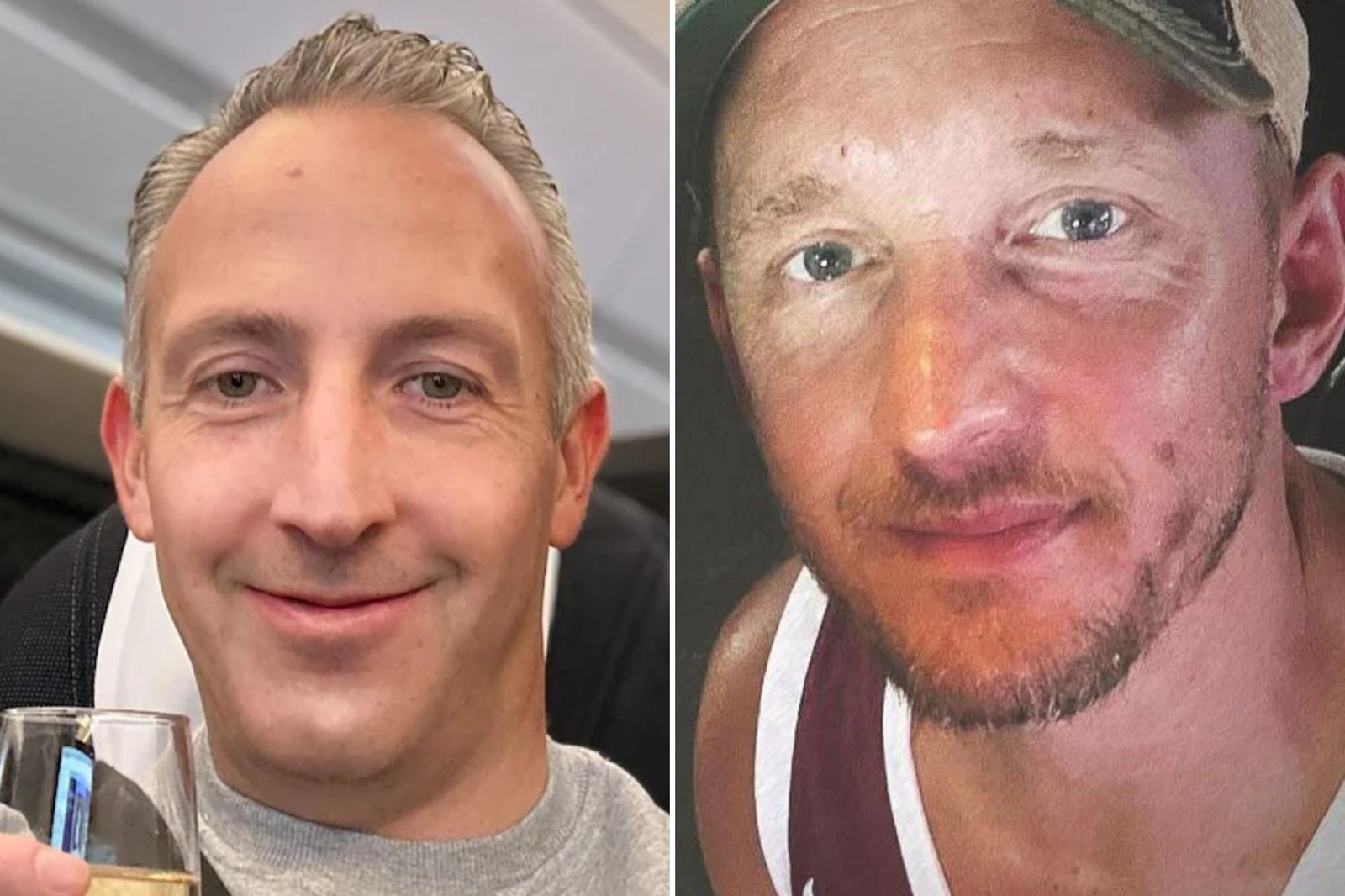
The deaths of experienced skiers Stuart Leslie and Shaun Overy in a devastating alpine avalanche have drawn renewed attention to the persistent dangers of off-piste winter sports across Europe. Their tragedy forms part of a series of fatal snow slides that have struck major ski regions within days of each other, underscoring the volatility of mountain environments even when warnings are clearly issued.
Authorities, rescue services, and avalanche monitoring agencies have all emphasised the unpredictable nature of shifting snow layers, particularly after major winter storms deposit fresh accumulations over unstable terrain. The most recent disaster occurred in the Italian Alps, where three skiers were caught in a powerful avalanche that tore through a remote couloir. Two men died, while a third remains in critical condition following emergency evacuation. At the same time, investigators continue to examine a separate avalanche in the French Alps that claimed multiple lives, including those of Leslie and Overy.
Both incidents highlight the extreme risks associated with off-piste skiing, particularly when environmental conditions create fragile and unstable snow structures. The back-to-back tragedies have triggered search and rescue responses involving helicopters, avalanche dogs, medical teams, and specialised alpine units. They have also prompted renewed discussion about risk awareness, equipment reliability, and the impact of severe winter weather systems on mountain safety.
The Courmayeur Avalanche and Emergency Rescue Efforts
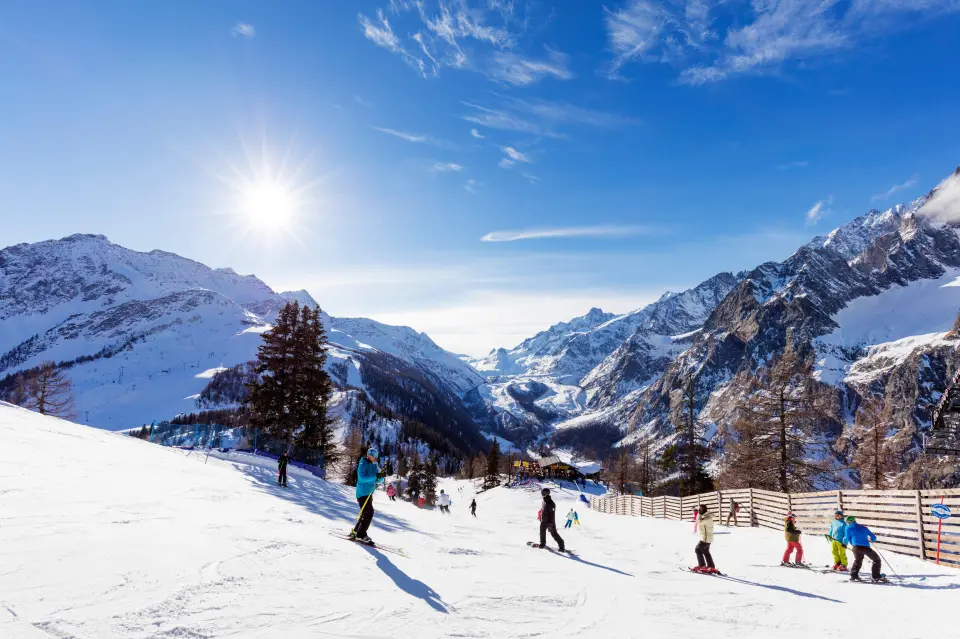
The Italian avalanche struck the Val Veny sector of the Courmayeur ski resort in north-western Italy during late morning conditions that authorities had already classified as dangerous. The affected area lies within the wider Aosta Valley, a mountainous region known for dramatic terrain and heavy winter snowfall. At the time of the incident, the area was under a level three avalanche warning on a five-point scale, signalling considerable risk with the potential for snow slides to be triggered by a single skier.
The avalanche struck the Vesses couloir in Val Veny, where three men were skiing off-piste on unmarked terrain. One of the skiers died at the scene, while another succumbed to injuries after being transported to hospital. A third survivor was airlifted to Le Molinette Hospital in Turin, where he remains in critical condition. Authorities have not publicly released the identities or nationalities of the three men involved.
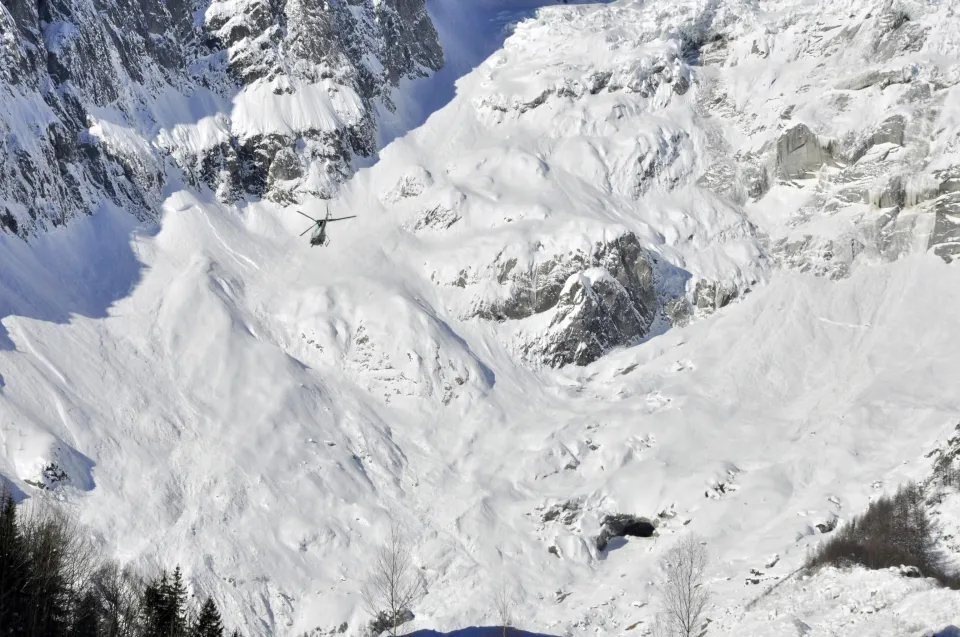
Rescue operations were conducted by the Valdostan Alpine Rescue in coordination with officers from the Guardia di Finanza. Teams deployed helicopters to survey the slope and used specially trained avalanche dogs to search for buried victims beneath compacted snow. Medical personnel accompanied the rescuers, enabling immediate treatment for survivors recovered from the debris field.
Snow stability experts had warned that layers of wind-packed snow could detach without warning. According to the Italian avalanche monitoring association responsible for issuing alerts, accumulations formed by previous storms can collapse spontaneously or be triggered by the weight of a single winter sports participant. These layered structures often appear stable on the surface while concealing weak zones that fracture suddenly when stressed.
Local reporting described how the avalanche swept rapidly through the couloir, leaving little time for escape. Such narrow mountain channels can accelerate sliding snow, intensifying its destructive force and increasing burial depth. Even well-equipped skiers can be overwhelmed in seconds when moving snow mass builds momentum along steep gradients.
Read : Robot Throws Itself Down the Stairs in South Korea: First Robot Suicide Case in the World
Rescue teams worked intensively to locate victims before hypothermia and suffocation could become fatal. Survival chances decline sharply after fifteen minutes of burial, making rapid response essential. Despite the swift deployment of aircraft and search dogs, two of the three skiers could not be saved.
Authorities have emphasised that level three warnings represent serious hazards, particularly for off-piste routes where slopes are not controlled through artificial avalanche mitigation. These areas lack regular stability checks, explosive snow release operations, and marked safe pathways typically found on maintained ski runs.
Fatal Avalanche in the French Alps Claims Multiple Lives
The Italian tragedy occurred only days after another catastrophic avalanche struck the Val d’Isère region in the French Alps. There, six off-piste skiers were caught in a massive snow slide in La Vallée du Manchet. Among those killed were British skiers Stuart Leslie and Shaun Overy, along with a French national skiing alone nearby.
The avalanche descended with significant force, carrying victims down the valley and into a stream after travelling roughly 400 metres. Rescue teams located two of the victims quickly, aided by functioning avalanche transceivers that emitted signals beneath the snow. However, locating the third casualty proved far more difficult. Authorities later suggested the victim’s transceiver may have failed after immersion in water, preventing rescuers from detecting its signal promptly.
Another British skier survived after digging himself out from beneath the snow. He was later transported to hospital in Bourg-Saint-Maurice with injuries but is expected to recover. Emergency crews used search dogs and avalanche probes to locate buried individuals, demonstrating the critical importance of specialised rescue methods in deep snow conditions.
Investigators have opened a formal inquiry to determine what triggered the avalanche. Officials confirmed that the ski group had been led by an instructor and that toxicology tests on the guide found no evidence of alcohol or drugs. The precise cause of the snow release remains uncertain, although some reports have speculated that movement on the slope may have destabilised fragile snow layers.
The region had been placed on a rare red alert shortly before the disaster, following the arrival of Storm Nils. The weather system deposited between 60 and 100 centimetres of fresh snow across already unstable terrain. Heavy snowfall layered atop older compacted snow can create weak bonding between layers, forming conditions highly prone to collapse. Even after the red alert was lifted, the avalanche risk remained extremely high.
Local authorities described the snowpack as very unstable, with avalanches easily triggered by skiers or hikers. Several ski resorts in the surrounding region temporarily closed due to the elevated danger, reflecting the scale of the risk posed by recent weather patterns.
Remembering the Victims and the Wider Avalanche Risk
The deaths of Stuart Leslie and Shaun Overy have prompted an outpouring of tributes from friends, colleagues, and loved ones. Leslie, a sales and marketing director in the construction sector, was remembered as a passionate skier who embraced life with energy and enthusiasm. Friends described him as someone who pursued adventure wholeheartedly and created lasting memories with those around him.
Overy, who operated a plumbing business alongside his wife, was also regarded as an experienced and capable skier. Both men were part of a guided group exploring off-piste terrain when the avalanche struck. Their familiarity with mountain environments did not shield them from the unpredictable forces unleashed by unstable snow.
Read : 22-Year-Old Ella Day Brooke Dies After Backpack Gets Caught in Ski Lift at Tsugaike Mountain Resort
Avalanche fatalities across Europe this winter have reached significant numbers. In France alone, at least 25 people have died in snow slides during the current season. These figures illustrate the persistent danger posed by changing snow conditions, particularly during periods of heavy storms followed by temperature fluctuations.
Experts emphasise that avalanche safety depends on multiple factors, including terrain angle, recent snowfall, wind transport, temperature changes, and underlying snow structure. Even highly trained skiers equipped with modern safety devices face serious risks when conditions deteriorate rapidly. Equipment such as transceivers, probes, and airbags can improve survival chances but cannot eliminate danger entirely.
Off-piste skiing, which involves travelling outside marked and controlled runs, exposes participants to unmitigated natural hazards. Unlike groomed slopes, these areas are not routinely stabilised or monitored for snowpack integrity. Skiers must rely on their own assessment of conditions, which can be challenging even for professionals.
Authorities continue to urge caution when avalanche warnings are in effect. Level four or five ratings indicate severe instability, while even level three suggests that human-triggered avalanches are likely. Rescue organisations consistently stress the importance of heeding advisories, monitoring weather developments, and avoiding high-risk terrain during unstable periods.
The recent sequence of avalanches in both Italy and France has reinforced how rapidly winter landscapes can shift from recreational environments to life-threatening zones. Heavy snowfall, wind-drifted accumulations, and hidden weak layers combine to create conditions where entire slopes can fracture with minimal disturbance.
Investigations into both incidents remain ongoing, with authorities seeking to determine whether specific triggers contributed to the snow slides. However, specialists note that avalanches often result from complex interactions between natural forces rather than a single identifiable cause.