
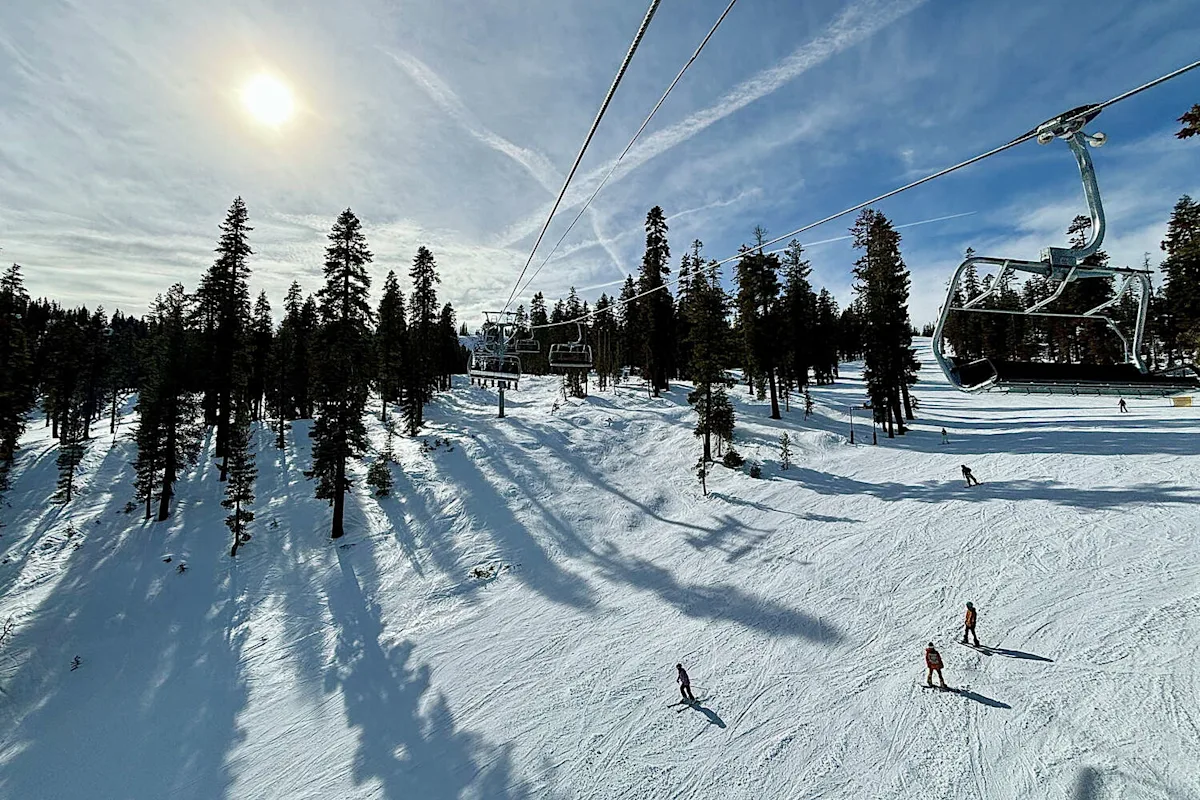
A fatal skiing collision at a Lake Tahoe resort over the weekend has drawn attention to the risks that remain present even at well-managed winter recreation destinations. Authorities confirmed that Stuart McLaughlin, a 53-year-old resident of Hillsborough in California’s San Francisco Bay Area, died following a serious on-mountain incident that occurred shortly before noon on Sunday. The collision took place along an advanced ski trail at Northstar California Resort, located in the Truckee area on the northern side of Lake Tahoe. Emergency responders reached the scene quickly, but the severity of the injuries proved fatal.
Officials from the Placer County Sheriff’s Office identified McLaughlin after the incident and confirmed that the crash involved two skiers. While one skier was pronounced dead at the scene, the other was transported to Tahoe Forest Hospital for treatment. Authorities have not publicly disclosed the extent of the surviving skier’s injuries. Resort officials described the incident as a serious collision between guests and expressed condolences to the families and loved ones affected.
Fatal accidents on ski slopes are relatively rare compared to the number of visitors winter resorts receive each season, but when they occur, they underscore the complex combination of speed, terrain, and human interaction that defines alpine skiing. The circumstances surrounding this collision remain under review, and officials have not yet released additional details regarding what may have led to the crash.
Details of the Collision and Emergency Response
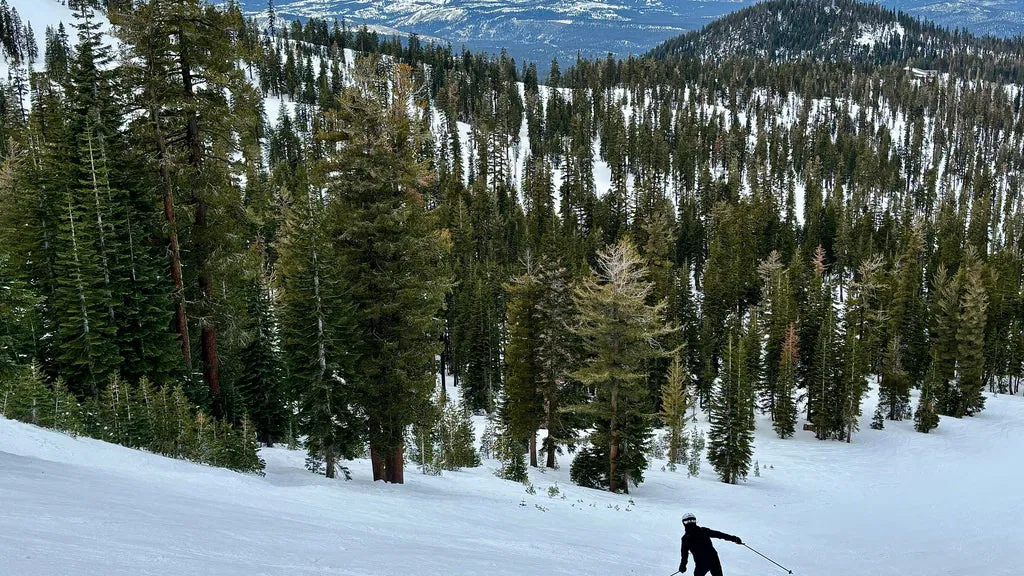
According to official statements, the collision occurred on the Polaris trail, an advanced-level run designed for experienced skiers. Advanced trails typically feature steeper gradients, faster descent speeds, and more technical terrain than beginner or intermediate slopes. These conditions can amplify both the thrill of skiing and the consequences of any miscalculation or unexpected encounter.
Emergency response teams acted swiftly after the incident was reported. Ski patrol personnel were first to arrive at the scene, a standard protocol at major ski resorts where patrol teams are stationed throughout the mountain to respond quickly to injuries or emergencies. Their role includes providing immediate medical assistance, securing the area to prevent additional accidents, and coordinating further response if necessary.
Following the patrol’s initial response, the Northstar Fire Department arrived and assessed the situation. Despite efforts to assist the injured skier, one individual was pronounced deceased at the scene. The second skier involved in the collision was transported by emergency services to Tahoe Forest Hospital in Truckee. At the time of official reporting, the severity of that individual’s injuries had not been disclosed, and no additional medical updates were made public.
Resort officials acknowledged the gravity of the event in a public statement. The general manager expressed deep sorrow over the tragedy and extended condolences to the families and friends of those involved. Such responses are typical following fatal incidents, reflecting both the emotional impact of the event and the responsibility resorts bear as hosts of large numbers of recreational visitors.
Authorities have not provided detailed information about the mechanics of the collision. Investigations into skiing accidents typically examine several factors, including skier speed, visibility, terrain conditions, adherence to posted guidelines, and whether either party was stationary or in motion at the time of impact. Witness accounts, patrol reports, and sometimes physical evidence from the scene contribute to the review process.
Read : Viral Video Shows 7-Foot-3-Inch Tall Female Basketball Player Included in China Team
While fatal ski collisions are not common, they are among the most serious types of mountain incidents. Unlike falls or single-skier accidents, collisions involve multiple moving individuals, making outcomes less predictable and sometimes more severe. The presence of advanced terrain further increases risk because higher speeds reduce reaction time and intensify the force of impact.
The Setting: Advanced Terrain and Recreational Risk
Advanced ski trails such as Polaris are designed for experienced participants who possess the technical ability to navigate steeper slopes and variable conditions. These runs often attract skiers seeking faster descents and more challenging terrain, which inherently increases exposure to risk. Although resorts maintain strict safety measures, including grooming operations, signage, and patrol monitoring, the environment remains dynamic and influenced by human behavior.
Mountain recreation involves shared space, where individuals of varying speeds and styles travel along the same descent path. Even with established right-of-way guidelines and etiquette, unpredictability remains a defining feature. Skiers must make rapid decisions based on changing terrain, visibility, and the movements of others around them. At higher speeds, the margin for error narrows significantly.
Read : 8 Skiers Found Dead After Avalanche Near Lake Tahoe in California
Visibility can also play a role in mountain safety. Light conditions shift throughout the day, and terrain features such as ridges, turns, or tree lines can obscure sightlines. On advanced runs, where terrain may be steeper or more complex, the ability to anticipate the movements of other skiers becomes especially important. When multiple individuals converge on the same line of travel, timing and awareness are critical.
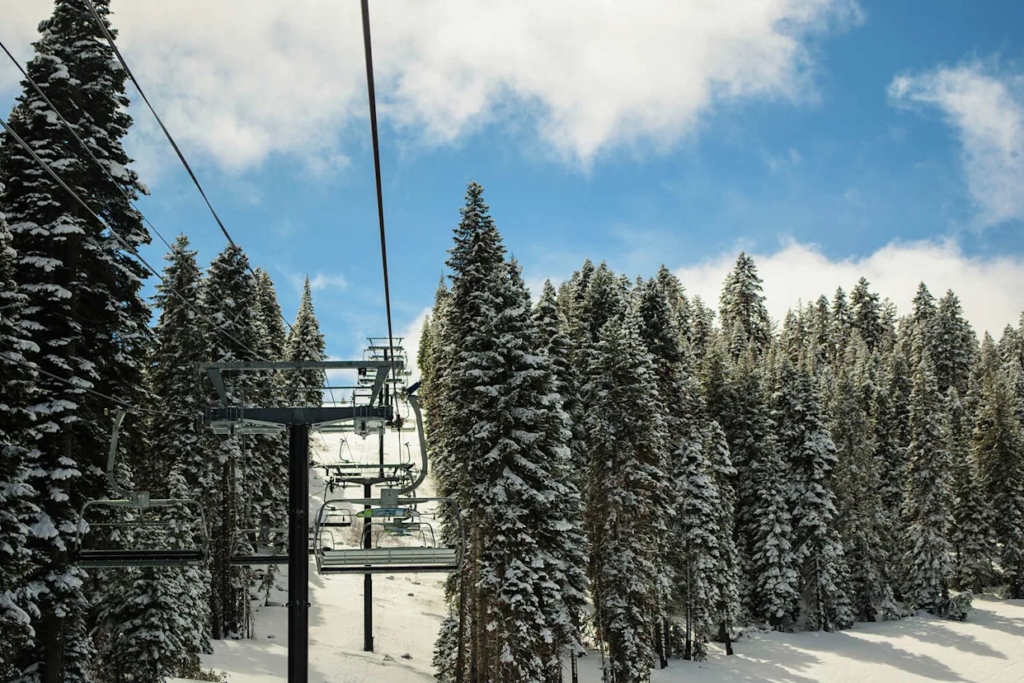
Resorts typically implement a range of measures to reduce risk. These include trail designations based on difficulty, posted safety reminders, patrol presence, and emergency access routes. Many resorts also promote widely recognized skier responsibility codes that emphasize control, awareness, and respect for others on the mountain. However, these systems cannot fully eliminate the inherent unpredictability of high-speed recreational environments.
Weather and snow conditions may also influence safety. Snow texture, surface hardness, and recent grooming patterns can affect how skis respond during turns or sudden stops. Even experienced skiers may encounter unexpected variations that alter speed or trajectory. When two individuals are navigating the same area under such conditions, the likelihood of a collision can increase if timing or spacing is misjudged.
The combination of terrain, speed, and shared use makes alpine skiing distinct from many other recreational activities. While protective gear such as helmets has become increasingly common, not all forms of impact can be mitigated through equipment alone. The force generated during a high-speed collision can be significant, particularly on steeper slopes where acceleration is rapid.
Community Response and Broader Context
News of the fatal collision has resonated beyond the immediate resort community, particularly in the San Francisco Bay Area, where Stuart McLaughlin resided. Hillsborough, located in San Mateo County, is a residential community whose residents often travel to nearby mountain destinations during winter months. For many families in Northern California, skiing at Lake Tahoe resorts is a longstanding seasonal tradition.
When a fatal accident occurs in a recreational setting widely associated with leisure and family activity, the emotional impact can extend beyond those directly involved. Resorts, local authorities, and visitors alike are reminded of the importance of vigilance and safety awareness in environments that blend enjoyment with physical challenge.
Resort operators typically cooperate fully with investigations following serious incidents. Reviews may assess whether safety protocols were followed, whether additional signage or monitoring might be warranted, and whether environmental or operational factors contributed to the event. These evaluations are part of ongoing efforts across the ski industry to maintain safety standards and respond to emerging risks.
Winter sports remain popular worldwide, drawing millions of participants each season. Advances in equipment design, grooming technology, and emergency response capabilities have contributed to overall safety improvements over time. Despite these developments, alpine skiing continues to involve physical speed and momentum that cannot be entirely controlled.
Fatalities on ski slopes are statistically uncommon when measured against total visitor numbers, but each incident receives close scrutiny due to its severity. Investigations aim not only to clarify circumstances but also to identify lessons that may help prevent future occurrences. In many cases, findings reinforce existing safety guidance rather than revealing unexpected causes.
For those who frequent mountain resorts, the event serves as a reminder that experience and familiarity do not eliminate risk. Advanced terrain, in particular, demands sustained attention, awareness of surroundings, and adherence to established guidelines. Even under well-maintained conditions, interactions between multiple skiers introduce variables that cannot be entirely predicted.
Resort officials, emergency responders, and law enforcement agencies continue to handle the aftermath of the collision, including coordination with family members and the completion of formal reports. Public statements thus far have focused on confirming the facts of the incident, expressing condolences, and acknowledging the seriousness of the event.
As investigations proceed, additional details may emerge regarding the circumstances leading up to the collision. For now, the confirmed facts remain limited to the time, location, and outcome of the incident, along with confirmation that two skiers were involved and one did not survive.
The loss of Stuart McLaughlin marks a tragic moment for those who knew him and for the broader community of winter sports participants who share the slopes each season. The event stands as a stark illustration of how quickly conditions on a mountain can change and how severe the consequences of a high-speed collision can be.