

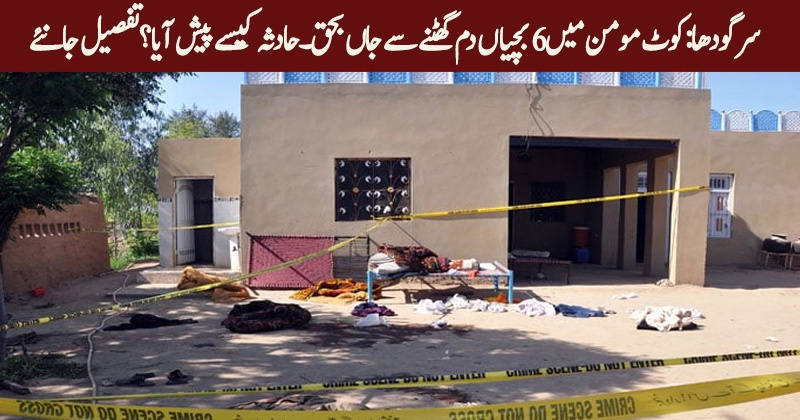
In a devastating incident that has sent shockwaves across Pakistan, six young girls lost their lives after they got stuck inside wheat storage drum while playing in Sargodha’s Jinnah Colony. The tragedy unfolded on Monday, leaving the entire community engulfed in grief and disbelief.
These children, aged between four and ten, unknowingly stepped into a death trap, turning an ordinary day of innocent play into an irreversible calamity. The incident serves as a grim reminder of how seemingly mundane household items and negligence can culminate in unspeakable loss, especially when it comes to the safety of children.
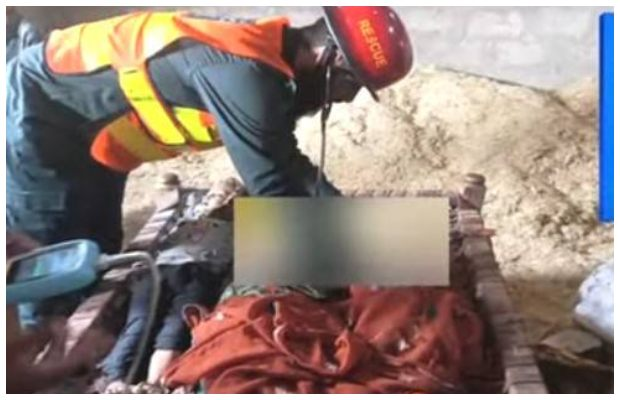
According to the statement by Rescue 1122, the children entered the wheat storage drum after their family had cleaned it and stepped out briefly. The metal drum, typically used for storing wheat, became a fatal enclosure when the children, unaware of the danger, climbed in and lay down inside.
Tragically, the airtight nature of the drum cut off their oxygen supply, and they suffocated to death before any help could arrive. By the time the family realized something was wrong and attempted to rescue them, it was too late.
The six victims have been identified as Saima, Amna, Sawera, Dua Fatima, Sonia, and Maryam. Among them were four sisters, amplifying the heartbreak for the bereaved family, which now faces the insurmountable grief of losing nearly all its young girls in one horrifying moment.
Recurring Tragedies: A Pattern of Neglect
Sadly, this was not an isolated event. Just a day earlier, a similar tragedy occurred in Chak 60/5-L, Burjwala, where two siblings died after accidentally locking themselves inside an iron drum while playing hide-and-seek. Like the Sargodha case, this incident underscored how a child’s innocent play can become fatal in the absence of proper safety precautions and awareness.
These back-to-back tragedies are not mere coincidences but indicators of a broader, more pressing issue — the lack of child safety measures in domestic environments, especially in rural and semi-urban parts of Pakistan. With large storage drums, wells, water tanks, and open construction pits commonly found in or near homes, especially those used for agricultural purposes, the risk of accidents looms large.
Read : Pakistani Journalists Abuses At Each Other During Press Conference of Salman Akram Raja: Watch
Furthermore, in January, another horrifying case emerged from Punjab where five children from the same family died due to smoke inhalation. They were using coal for heating, a common practice during winter months. The children were reportedly asleep in a closed room where the burning coal produced deadly levels of carbon monoxide, ultimately resulting in suffocation.
Each of these incidents paints a troubling picture. They speak volumes about the dangers lurking in everyday objects and the dire need for public education and awareness to prevent such heart-wrenching losses.
The Societal Impact and Psychological Toll
The emotional aftermath of such incidents is often unmeasurable. In Jinnah Colony, Sargodha, the entire locality is mourning. Funeral prayers turned into community vigils, and what was once a bustling neighborhood has fallen into a pall of silence.
Families, friends, and neighbors alike are struggling to process the loss. The emotional and psychological trauma inflicted on the parents and close relatives of the deceased is profound and enduring.
Four of the girls were siblings, meaning one household now grieves for four daughters lost in one single moment. The pain of parents who sent their children out to play, only to later carry their lifeless bodies, is unimaginable. Communities like these often have limited access to mental health resources, leaving grieving families to suffer in silence.
Beyond the immediate circle of grief, these incidents can leave lasting scars on the local psyche, especially for other children in the neighborhood who may have witnessed the events or were close friends with the victims. Fear, anxiety, and confusion may dominate their young minds, potentially leading to long-term psychological effects if not addressed properly.
These tragedies also spark waves of outrage and blame, often directed at the lack of awareness, poor living conditions, or the failure of authorities to educate people about domestic hazards. While grief is deeply personal, these emotions frequently translate into communal frustration, demanding systemic solutions that go beyond temporary mourning.
Towards Safer Homes and Informed Communities
The recent spate of suffocation-related deaths involving children calls for immediate and widespread action. First and foremost, there needs to be an urgent push to raise awareness about the potential hazards of household storage items, especially in homes where large agricultural equipment or storage drums are present.
Parents and guardians must be educated about childproofing their homes, especially in areas where the standard of living may not allow for modern safety tools or child-friendly designs. Simple measures — such as securing lids of drums, keeping hazardous containers locked or out of children’s reach, and conducting regular checks on storage spaces — could prevent tragedies like these.
Moreover, schools and community centers can play a significant role in educating children about household dangers through interactive safety programs. Equipping children with basic safety knowledge — like understanding that certain enclosed spaces can be dangerous or learning how to seek help — can sometimes be the difference between life and death.
Government and non-governmental organizations must also step in to promote child safety at a structural level. This includes integrating child safety protocols into local governance, promoting safer housing designs, and ensuring that rural communities have access to information that can save lives.
On a national level, public service announcements on television, radio, and social media platforms in regional languages could play a transformative role in spreading awareness. Pakistan has a history of using media effectively for health and social messaging, and the same urgency must now be extended to child safety awareness campaigns.
Finally, first responders and medical staff, such as Rescue 1122 personnel, should be further trained and supported in emergency handling. While their quick action is often commendable, such situations demand that they also become active participants in prevention efforts by conducting regular community safety sessions.
The tragic deaths of six young girls who got stuck inside a wheat storage drum while playing is more than just a heartbreaking news item — it is a wake-up call. A reminder that while childhood is meant to be a time of joy and innocence, it can quickly become perilous in environments that lack basic safety.
These incidents, painful as they are, must not be forgotten. Each life lost should serve as a call to action — for parents, communities, policymakers, and educators. It is only through awareness, education, and collective vigilance that we can hope to prevent future tragedies and ensure that our children grow up in safe, nurturing environments.
The sorrow that has engulfed families from Sargodha to Burjwala and other parts of Punjab is unimaginable. But from that sorrow must emerge a firm resolve: to protect our children not just through love but through conscious, informed action. These children did not die in vain if their stories can save the lives of others.