
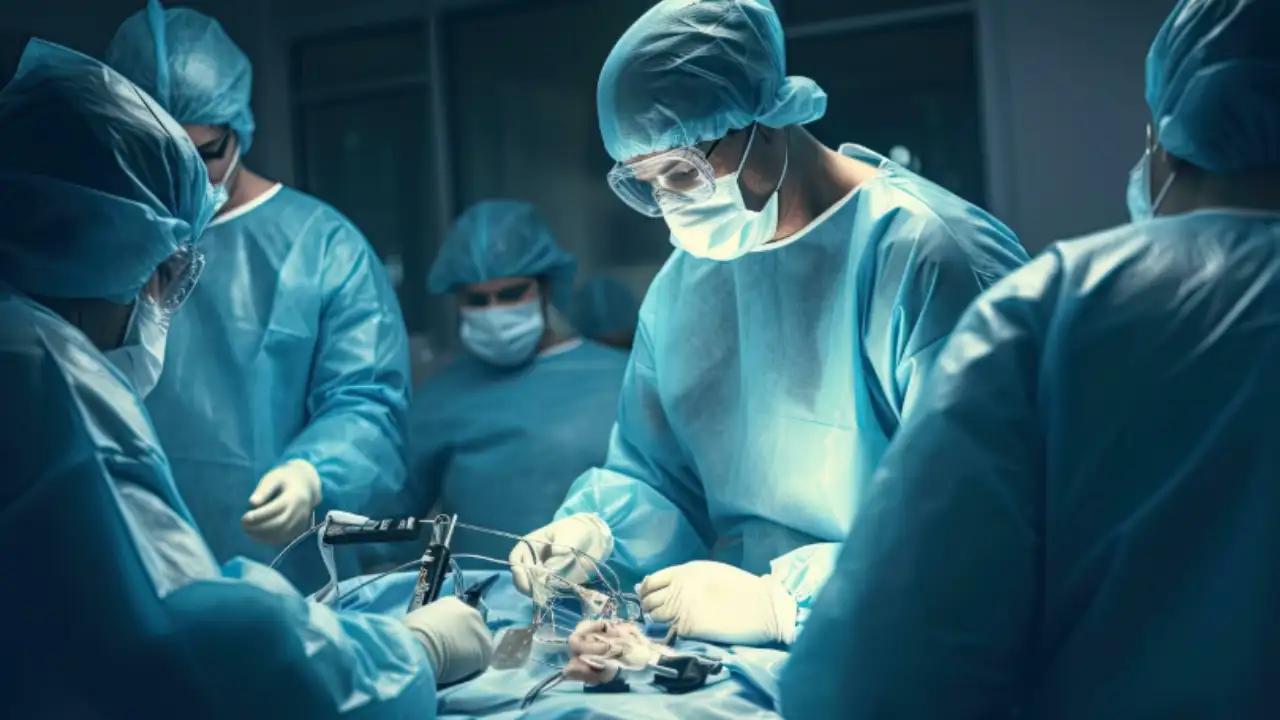
In a shocking revelation that has sent ripples through the medical community, a consultant anaesthetist at Tameside Hospital in Greater Manchester has admitted to abandoning a patient mid-surgery to engage in sexual activity with a nurse. Dr Suhail Anjum, aged 44, left the operating theatre where a male patient was under anaesthetic, citing a need for a comfort break, only to be discovered in a compromising position in another room.
This incident, which occurred on September 16, 2023, came to light during a recent Medical Practitioners Tribunal Service (MPTS) hearing, where Dr Anjum did not dispute the facts. The case underscores serious concerns about patient safety, professional ethics, and the integrity of healthcare environments in the UK. As details emerge, questions are mounting about how such a breach could happen in a supposedly secure and professional setting like an NHS hospital.
The tribunal, which began on September 11, 2025, is examining whether Dr Anjum’s fitness to practise medicine is impaired. Representing the General Medical Council (GMC), Andrew Molloy outlined the events, painting a picture of a deliberate and risky decision that prioritized personal indulgence over patient care. Dr Suhail Anjum, who had been working at Tameside and Glossop Integrated Care NHS Foundation Trust since 2015, was the lead anaesthetist for multiple procedures that busy Saturday morning.
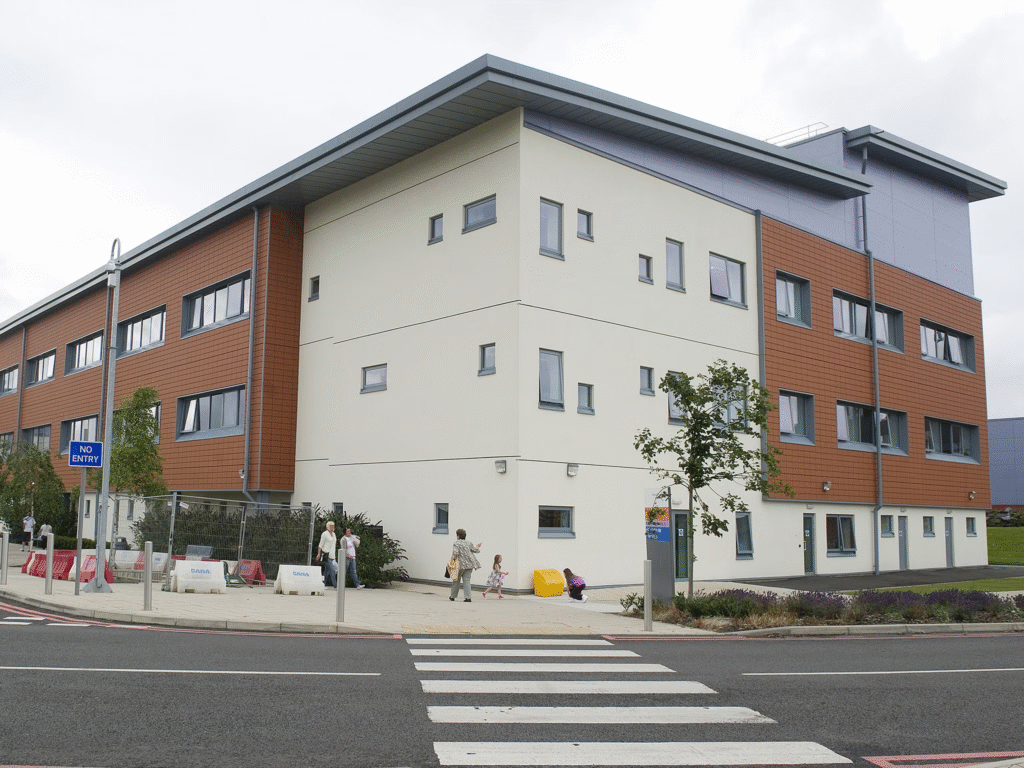
The hospital, located in Ashton-under-Lyne, serves a diverse population in Greater Manchester, handling everything from routine surgeries to emergency cases. On this particular day, Theatre Five was bustling with activity, and Dr Anjum was overseeing the anaesthetic for a series of operations, including a keyhole surgery to remove a patient’s gallbladder. Midway through the third procedure, with the patient fully sedated and vulnerable, Dr Anjum requested a short break. He informed an experienced anaesthetic nurse, referred to as Nurse SK, that he needed to step away and asked her to monitor the patient’s vital signs in his absence.
This handover, while not uncommon for brief intervals, was intended to last only a few minutes. However, what followed was anything but routine. Instead of using the time for a legitimate comfort break, Dr Anjum made his way to Theatre Eight, an adjacent operating room often used as a passageway by staff. There, he knew Nurse C, an unnamed colleague, was likely to be present. The two engaged in sexual activity, an act that lasted approximately eight minutes.
The discovery of this misconduct was as abrupt as it was horrifying. Nurse NT, a scrub nurse who had entered Theatre Eight to retrieve some equipment, stumbled upon the scene. She described being shocked to see Dr Anjum in the process of tying the cord of his trousers, while Nurse C had her trousers around her knees, her underwear visibly exposed. The colleague’s immediate reaction was one of disbelief and concern, prompting her to report the incident to her manager without delay.
This swift reporting initiated an internal investigation by the trust, which confirmed the allegations through witness statements and other evidence. The gravity of the situation cannot be overstated: a patient lay unconscious on the operating table, reliant on the anaesthetist’s expertise to maintain stable anaesthesia, while the responsible doctor was elsewhere indulging in personal matters.
Dr Anjum returned to Theatre Five after about eight minutes, resuming his duties as if nothing had happened, and the procedure was completed without immediate complications to the patient. However, the potential risks were immense. Anaesthesia is a delicate process; fluctuations in monitoring could lead to life-threatening issues such as respiratory depression, cardiovascular instability, or awareness under sedation.
Read : Doctor Sues Singapore Airlines After Staff Serves Shrimp Meal Despite Allergy Warning
By delegating to Nurse SK, who was qualified but not the primary anaesthetist, Dr Anjum shifted responsibility in a way that exposed the patient to unnecessary vulnerability. The tribunal heard that Dr Anjum admitted knowing Nurse C would be nearby, indicating premeditation rather than a spontaneous lapse. This admission paints a troubling picture of a professional who knowingly endangered a life for fleeting gratification.
Read : “It’s My Hospital, I’m a Doctor,” Cries Injured Dr. of Kyiv Hospital After Russian Missile Strikes
The backdrop to this incident adds layers of complexity. Dr Anjum, originally from Pakistan, graduated from the University of Health Sciences in Lahore in 2004. He moved to the UK in 2011, building a career that included positions in Bristol, Milton Keynes, and Dartford before settling at Tameside in 2015. As a consultant, he was a senior figure, trusted with high-stakes responsibilities. Yet, behind the professional facade, personal turmoil may have played a role.
During the hearing, Dr Anjum referenced “wife trauma” as a contributing factor, suggesting marital issues that clouded his judgment. He expressed profound shame and guilt, describing the event as a “horribly embarrassing incident” and a “one-off error of judgment.” He acknowledged letting down his patient, colleagues, and the trust, emphasizing the respect he had received and subsequently squandered.
Nurse C’s involvement remains somewhat shrouded, as her identity is protected, but the tribunal noted that both parties were caught in the act, implying mutual participation. The power dynamics in such a situation are noteworthy; as a consultant, Dr Anjum held a position of authority over nursing staff, raising questions about consent and workplace harassment.
Nurse NT’s testimony highlighted the awkward and distressing position she was placed in, forced to witness something so unprofessional in a clinical space meant for healing. The internal probe following the report led to Dr Suhail Anjum’s departure from the hospital in February 2024, after which he returned to Pakistan. Despite this, he has expressed a desire to return to the UK and resume practising medicine, vowing that such behavior will never recur.
This case is not isolated in highlighting misconduct in healthcare, but its specifics—the direct abandonment of an anaesthetized patient—elevate it to a new level of severity. The MPTS hearing, ongoing as of September 2025, will determine if Dr Anjum’s actions warrant striking him off the medical register or imposing lesser sanctions. The GMC’s role in regulating doctors underscores the need for accountability, especially when public trust in the NHS is paramount.
The Tribunal Proceedings: Unfolding Details and Admissions
The Medical Practitioners Tribunal Service hearing, convened in Manchester, has been a focal point for dissecting the events of that fateful day in September 2023. Andrew Molloy, counsel for the GMC, methodically presented the sequence of events, starting with Dr Anjum’s routine duties in Theatre Five. On September 16, 2023, a Saturday, the hospital was operating at full capacity. Dr Suhail Anjum was responsible for anaesthetizing patients across five cases, a demanding role requiring unwavering focus. The third procedure involved a male patient undergoing laparoscopic cholecystectomy, a common gallbladder removal surgery that demands precise anaesthetic management to prevent complications like hypotension or airway issues.
At the halfway mark, approximately 40 minutes into the operation, Dr Anjum announced his need for a comfort break. He briefed Nurse SK, an experienced practitioner, on the patient’s stable condition and instructed her to watch the monitors. This delegation, while permissible for short durations, was abused. CCTV footage and staff logs, though not directly cited in open court, corroborated the timeline, showing Dr Anjum’s movement to Theatre Eight. There, the sexual encounter with Nurse C took place, described in graphic detail by Nurse NT’s witness statement. The nurse entered the room expecting an empty space but instead found the pair in a state of undress, frozen in shock.
Dr Anjum’s admissions formed the cornerstone of the proceedings. Before the case even opened, he conceded all allegations, including engaging in sexual activity, leaving the patient unattended in a risky manner, and being aware of the potential harm. In his testimony, he elaborated on the emotional context, mentioning strains in his marriage that led to impulsive behavior. “I felt shame and guilt at this horribly embarrassing incident,” he stated, adding, “I don’t know why it happened.” He apologized profusely to his colleagues, particularly Nurse SK for the unfair burden and Nurse NT for the discomfort caused. The tribunal panel, comprising medical and lay members, listened intently, probing into Dr Suhail Anjum’s remorse and insight into his actions.
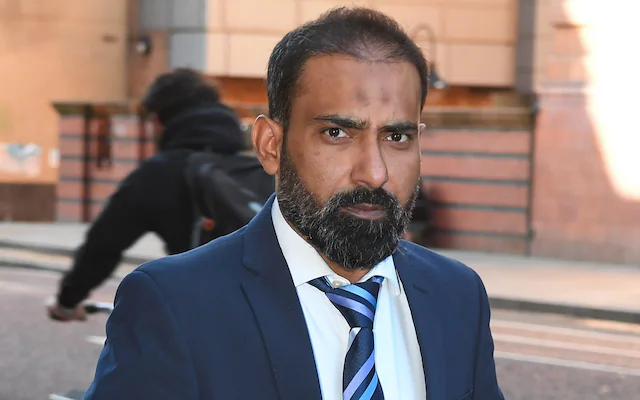
Evidence presented included emails from the internal investigation, where Dr Suhail Anjum initially downplayed the incident but later fully cooperated. The GMC emphasized that his return after eight minutes did not mitigate the breach; the very act of leaving demonstrated a profound lapse in judgment. Nurse C did not provide testimony, but her role was acknowledged as consensual based on the circumstances. The hearing also touched on Dr Anjum’s professional history: no prior complaints, a solid record of patient care, and contributions to training junior staff. However, these positives were overshadowed by the undeniable misconduct.
As the tribunal progresses, expert witnesses may testify on the risks of unattended anaesthesia. For instance, even brief lapses can lead to desaturation or allergic reactions going unnoticed. The panel’s decision, expected soon, could range from a suspension to erasure from the register, impacting Dr Suhail Anjum’s career aspirations. His relocation to Pakistan complicates enforcement, but the GMC has mechanisms to pursue international restrictions. This phase of the proceedings highlights the rigorous scrutiny applied to maintain standards in medicine.
Implications for Patient Safety and Healthcare Ethics
The ramifications of Dr Suhail Anjum’s actions extend far beyond the individual involved, striking at the heart of patient safety protocols in the NHS. Anaesthesia is often called the “invisible specialty,” where errors can be fatal without immediate detection. Leaving a sedated patient, even for eight minutes, introduces variables that could cascade into emergencies. The patient in question, fortunately, suffered no harm, but the “what if” scenarios are chilling: a sudden drop in blood pressure, an equipment malfunction, or an unforeseen reaction to the anaesthetic agents. Nurse SK’s competence mitigated immediate danger, but relying on a secondary monitorer underscores a systemic vulnerability when seniors abdicate responsibility.
In the broader context of healthcare ethics, this incident breaches core principles outlined in the GMC’s Good Medical Practice guidelines. Doctors must prioritize patient welfare above all, maintain professional boundaries, and uphold the dignity of the workplace. Engaging in sexual activity in a clinical area, especially during duty hours, erodes trust and fosters a toxic environment. For nurses like Nurse NT, witnessing such behavior can lead to psychological distress, potentially affecting team morale and care quality. The power imbalance between consultants and nurses amplifies concerns about coercion, though no evidence of non-consent was presented here.
Hospitals like Tameside, part of the integrated care foundation trust, have robust safeguarding measures, including chaperones for intimate procedures and strict no-fraternization policies in sensitive areas. Yet, this case reveals gaps: operating theatres, while monitored, allow brief unsupervised movements. Post-incident, the trust conducted a review, likely implementing enhanced training on ethical conduct and quicker reporting channels. Nationally, the NHS may see calls for stricter oversight, such as mandatory breaks only in designated areas or AI-monitored vital signs during handovers.
Dr Suhail Anjum’s departure to Pakistan raises jurisdictional issues. While he seeks to return, any sanction would follow him, potentially barring UK practice. His “wife trauma” excuse, while sympathetic, does not absolve professional duties; mental health support is available through occupational health services, and doctors are expected to seek help proactively. This event serves as a cautionary tale, reminding the medical fraternity that personal struggles must not compromise public safety. As the tribunal concludes, it will hopefully reinforce that ethical lapses, no matter how isolated, have severe consequences, ensuring safer hospitals for all.
I like this blog very much so much superb info .
I dugg some of you post as I cerebrated they were very beneficial very useful