
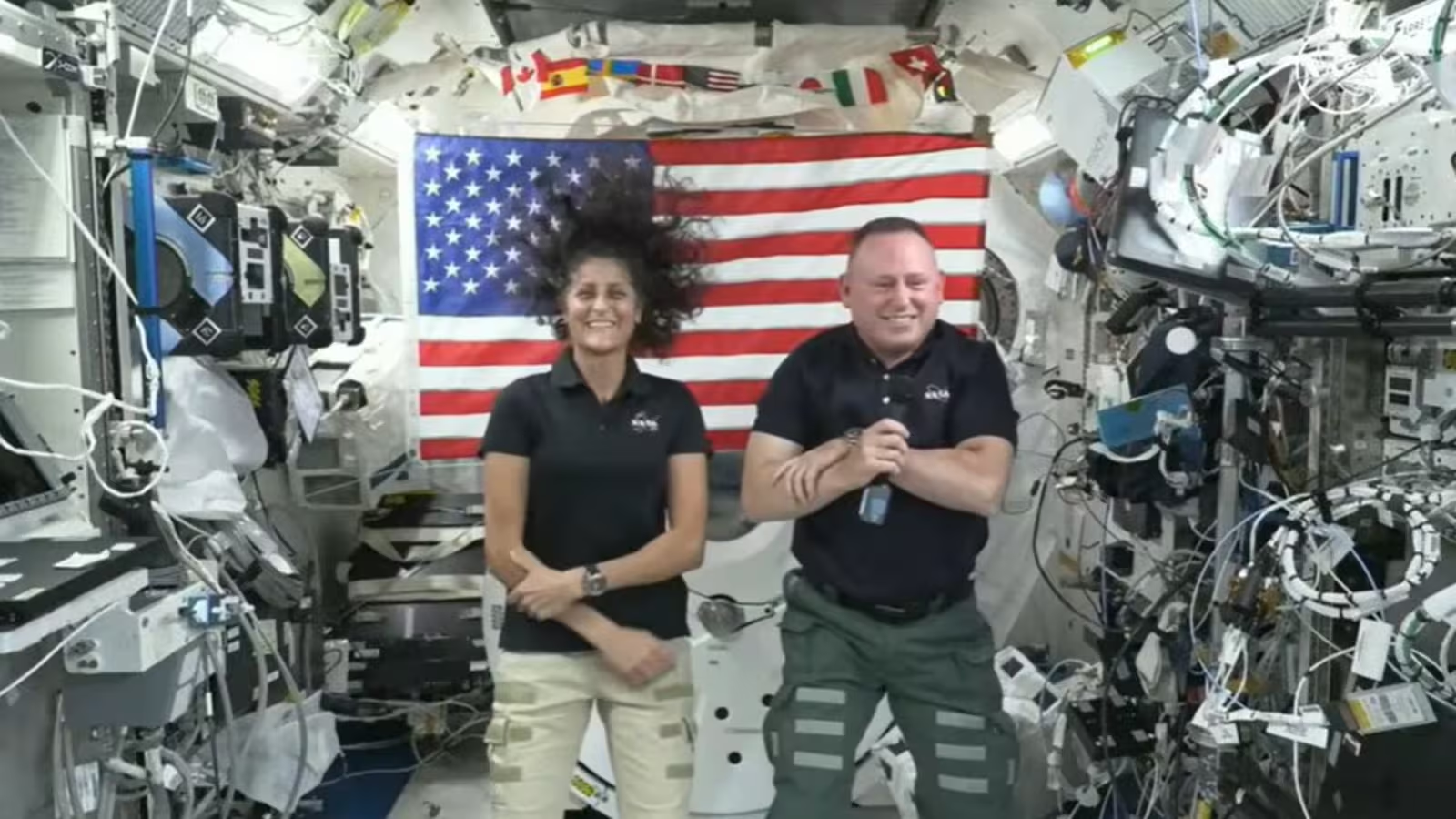
Sunita Williams and Butch Wilmore, two seasoned astronauts on the International Space Station (ISS), have been pushing the boundaries of human endurance in space. As part of their ongoing mission, which has seen them stranded in orbit for five months, the duo has been living in an environment that combines advanced technology with resourcefulness.
One of the most remarkable aspects of their time aboard the ISS is the recycling system that allows them to drink fresh water made from their own urine and sweat. This system, critical to sustaining life on the ISS, ensures that very little is wasted, making it possible for astronauts to remain in space for extended periods without needing constant resupply missions.
The Advanced Water Recycling Technology Aboard the ISS
Life aboard the ISS is not as simple as it may seem. With no access to Earth’s natural resources, astronauts rely on a highly sophisticated system that converts waste products into drinkable water. The system uses a combination of filters, distillation, and chemical processes to purify urine and sweat into fresh, clean water.
This water recycling technology, which is essential for long-term missions, reflects the growing sophistication of space exploration and the need for sustainability in space environments.
At the core of the water recycling process is a machine known as the Water Recovery System (WRS), which extracts water from various sources including wastewater, urine, and sweat.
The WRS operates by first collecting the liquid waste generated by the astronauts and separating it into water, gases, and solids. The water is then purified through a multi-stage process that includes filtration, distillation, and ion exchange to remove any contaminants, leaving behind water that meets stringent health and safety standards.
Read : Worrying News from ISS as Sunita Williams Has Very Little Fresh Food Left
This process is vital for long-duration space missions. Since space missions often last months or even years, resupplying astronauts with fresh water from Earth would be both costly and logistically challenging. The ability to recycle water aboard the ISS drastically reduces the need for frequent cargo shipments, ensuring that astronauts have access to safe drinking water without relying on Earth-based resources.
Read : Watch Video: Indian-Origin Astronaut Sunita Williams Dances On Her Arrival At Space Station
The recycling system is not limited to urine alone. It also captures moisture from the air, which is produced through activities like breathing and sweating. Even the humidity in the air is collected and processed to extract water. This means that nothing is wasted in the process—each astronaut’s sweat and bodily fluids contribute to the water supply.
The Health and Diet of Sunita Williams and Butch Wilmore
While the technical aspects of life aboard the ISS are extraordinary, the daily experiences of astronauts like Sunita Williams and Butch Wilmore are just as fascinating. Over the course of their extended stay in space, these astronauts have managed to maintain their physical health, even in the absence of fresh produce and the constant presence of Earth-based food options.
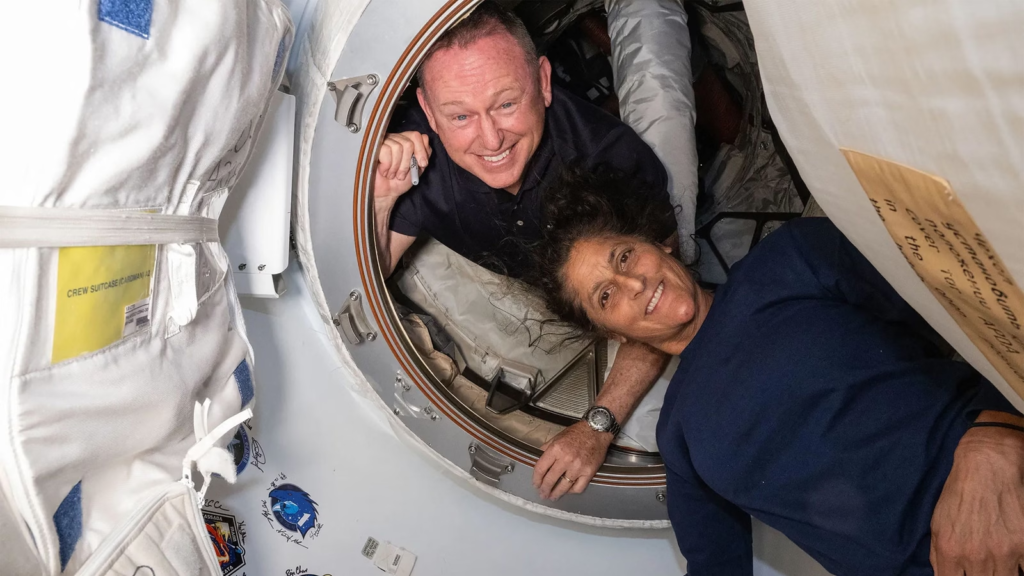
In recent news, it was reported that Williams and Wilmore have been consuming a range of foods, including pizza, roast chicken, tuna, shrimp cocktails, and breakfast cereals with powdered milk. Despite their remarkable diet, the astronauts have faced challenges, particularly with fresh food, as fresh produce is difficult to store and transport to the ISS.
This lack of fresh fruits and vegetables has made it harder for them to maintain a balanced diet, but their food supply has been carefully planned and managed to meet their nutritional needs.
A specialist connected to the beleaguered Starliner mission recently spoke about the careful measures taken to ensure that both astronauts receive proper nutrition, emphasizing that any weight loss is not due to a lack of provisions.
The specialist explained that there is an ample supply of food, even for extended missions, and the astronauts are well-cared for in terms of nutrition. However, the weight loss seen in some of the astronauts, including Williams, is more likely due to fluid shifts in the body caused by the effects of microgravity.
Williams herself addressed concerns about her weight loss, calling the rumors surrounding her appearance unfounded. In a video interview, she explained that the changes in her appearance were due to fluid shifting in her body as a result of the weightlessness of space.
The effects of living in a zero-gravity environment can alter the distribution of fluids in the body, leading to changes in physical appearance. However, Williams reassured the public that her health was being closely monitored, and she was maintaining the same weight as when she first boarded the ISS.
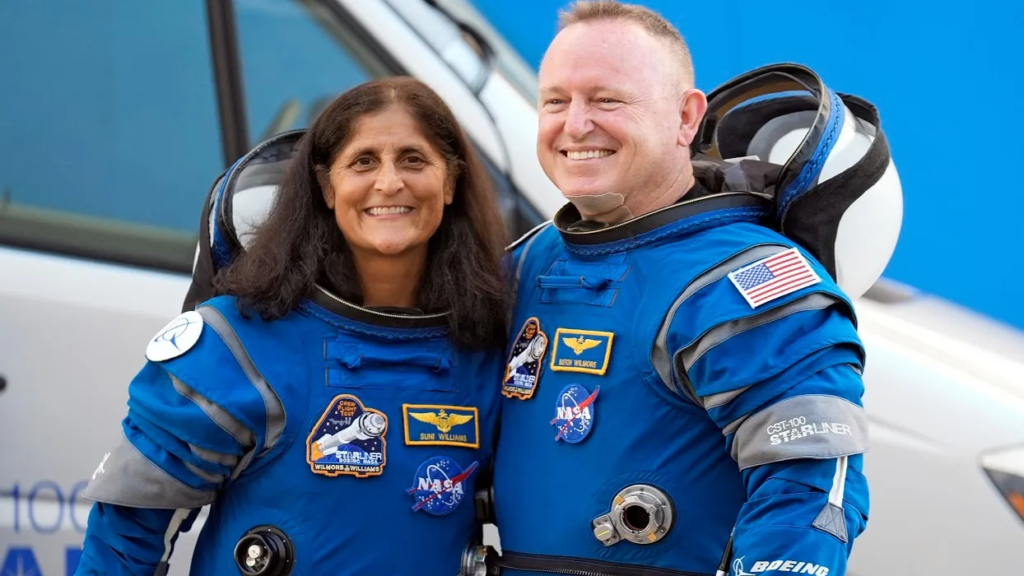
While maintaining their physical health in space presents unique challenges, it is clear that NASA is taking every precaution to ensure that both Williams and Wilmore remain in good condition during their extended stay. Their health is closely monitored, with regular checkups and constant communication with mission specialists. This attention to their well-being ensures that they can continue their mission without facing health risks that could jeopardize their time on the ISS.
The Challenges and Triumphs of Long-Term Space Missions
Living in space presents a range of unique challenges, especially for astronauts like Williams and Wilmore who find themselves stranded on the ISS for an extended period. From the technical aspects of maintaining life support systems to the psychological challenges of being away from Earth for months, space missions demand resilience and adaptability.
One of the biggest challenges astronauts face is the absence of gravity. Microgravity affects almost every aspect of life, from movement to bodily functions. This environment can lead to muscle atrophy, bone density loss, and fluid shifts, as mentioned by Williams. These effects are closely monitored, and astronauts engage in regular exercise to help counteract the negative impacts of weightlessness.
Another challenge is the mental and emotional toll of being in space for extended periods. Astronauts are isolated from their families and friends, and they must rely on their fellow crew members for companionship and support.
While there is frequent communication with Earth, including video calls and messages, the physical distance from loved ones can take a psychological toll. NASA provides support systems to help astronauts cope with the isolation, ensuring their mental well-being remains intact.
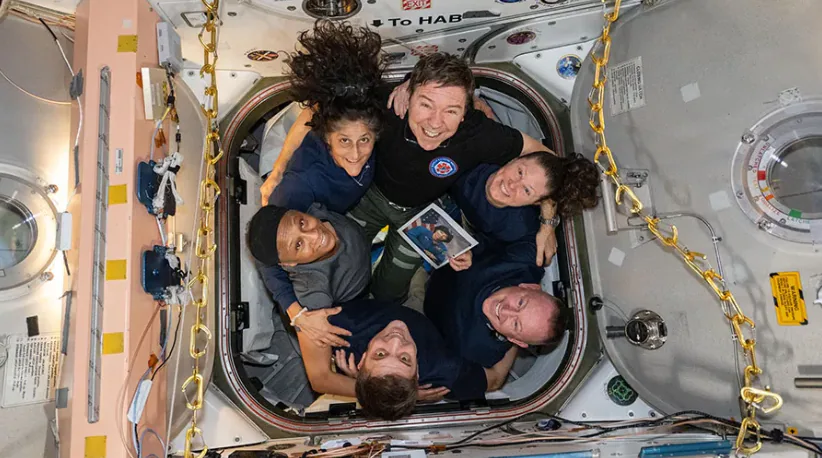
Despite these challenges, the triumphs of long-term space missions are numerous. The ability to recycle waste products like urine and sweat into fresh water is a groundbreaking achievement that highlights the ingenuity of space technology. Similarly, the successful maintenance of astronaut health, despite the absence of fresh food and the challenges of living in space, demonstrates the remarkable adaptability of human beings.
Williams and Wilmore’s extended stay on the ISS is a testament to the resilience of astronauts and the technological advancements that have made long-duration space missions possible.
Their mission also provides valuable data for future space exploration, including potential missions to Mars, where astronauts may need to live in space for years without resupply from Earth. The technologies and strategies developed on the ISS, including water recycling and advanced life support systems, will play a crucial role in ensuring the success of future missions.
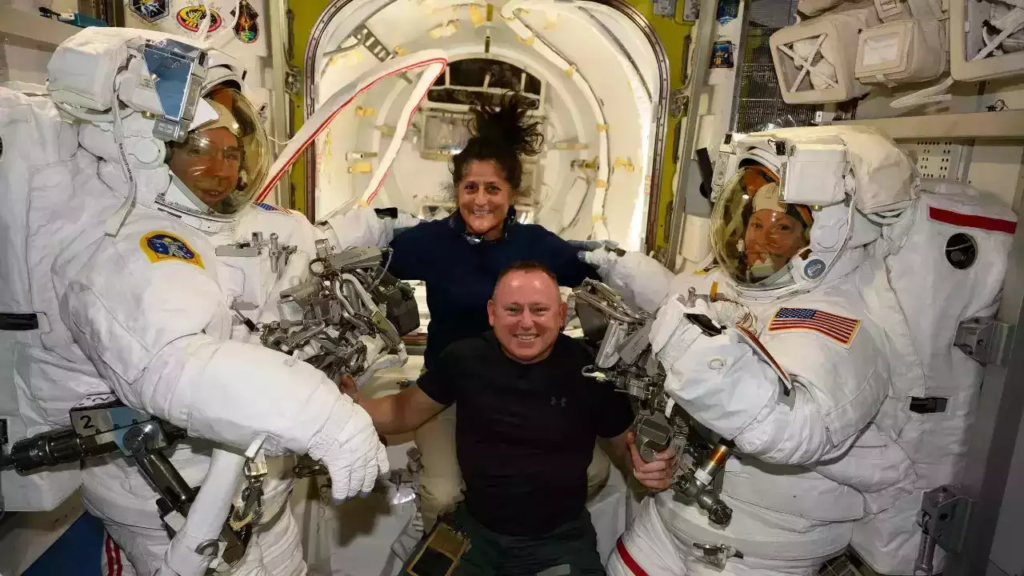
Sunita Williams and Butch Wilmore’s time aboard the ISS exemplifies the incredible challenges and triumphs of long-term space exploration. Their ability to recycle urine and sweat into fresh water highlights the innovative technologies that are enabling astronauts to live and work in space for extended periods.
Despite the difficulties posed by living in a microgravity environment, both astronauts have remained healthy and continue to contribute to the advancement of space exploration.
As humanity looks to the future of space travel, the experiences of astronauts like Williams and Wilmore will play a crucial role in shaping the success of missions to other planets, ensuring that the human spirit of exploration remains strong in the face of adversity.