
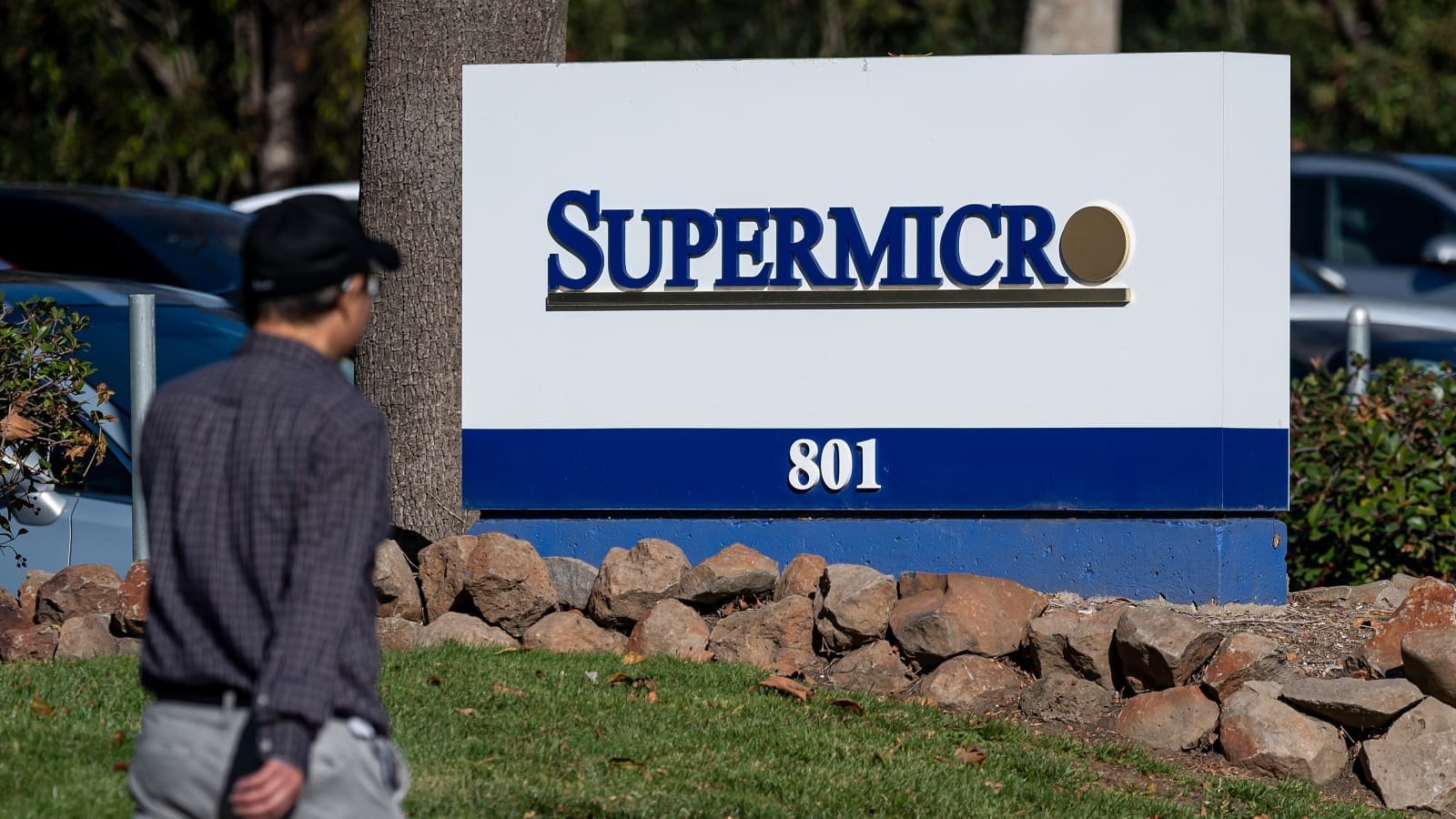
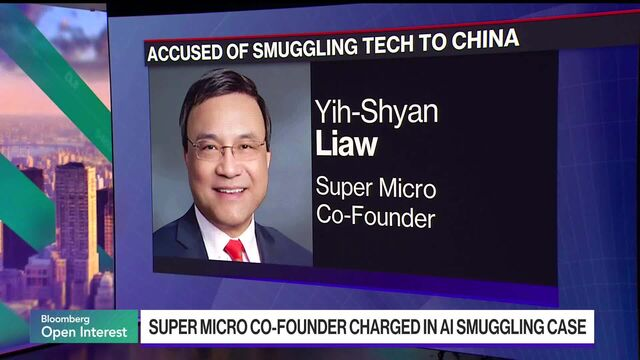
The global race for artificial intelligence dominance has placed advanced semiconductor technology at the center of geopolitical tensions, and recent criminal charges against individuals linked to Super Micro Computer have brought those tensions into sharp focus. Federal prosecutors in the United States have accused a co-founder of the company, along with a current employee and an external contractor, of orchestrating an illegal operation to smuggle high-end Nvidia AI chips into China.
The case is being viewed as a significant escalation in Washington’s enforcement of export controls, signaling a more aggressive approach toward safeguarding sensitive technologies. As artificial intelligence becomes increasingly intertwined with national security, the implications of this case extend far beyond one company, raising fundamental questions about compliance, corporate governance, and the future of global tech supply chains.
A High-Stakes Crackdown on AI Chip Smuggling
The indictment represents one of the most consequential enforcement actions taken by U.S. authorities in their ongoing effort to prevent the transfer of advanced semiconductor technology to China. At the heart of the case is the alleged movement of Nvidia’s high-performance AI processors, widely believed to include chips such as the H100 and A100, which are essential for training large-scale machine learning models. These processors are not ordinary consumer-grade products; they are the backbone of cutting-edge AI systems used in everything from cloud computing to defense applications.
According to prosecutors, the accused individuals devised a scheme to bypass export restrictions imposed by the U.S. government in 2022. These restrictions were specifically designed to limit China’s access to high-end chips capable of accelerating military and surveillance technologies. The alleged method involved routing shipments through intermediaries and shell entities, effectively masking the true destination of the hardware. Such tactics highlight the challenges regulators face in policing a complex, globalized supply chain where components pass through multiple hands before reaching end users.
What makes this case particularly notable is the level of seniority involved. The inclusion of a company co-founder among those charged suggests a deeper issue than isolated misconduct. Whether this points to systemic weaknesses in compliance mechanisms or a deliberate attempt to exploit loopholes remains a critical question. Prosecutors have emphasized that even small-scale smuggling operations can involve millions of dollars in value, given the high cost of these advanced chips in secondary markets.
Super Micro Co-Founder Illegally Shipped $2.5B Worth of NVIDIA GPUs to China pic.twitter.com/DjmShuKb19
— Sir Doge of the Coin ⚔️ (@dogeofficialceo) March 21, 2026
The broader message from the U.S. government is clear: enforcement is intensifying, and individuals at all levels of the corporate hierarchy are not beyond reach. This case serves as a warning that the era of informal or loosely enforced export compliance is rapidly coming to an end. The focus is no longer solely on corporations but also on the individuals who may facilitate or enable violations.
Super Micro’s Challenges Amid Rapid Growth and Scrutiny
For Super Micro Computer, the timing of the indictment could not be more difficult. The company has been experiencing rapid growth, fueled by the global surge in demand for AI infrastructure. Its servers, which are optimized for Nvidia GPUs, have become a key component in data centers used by major technology firms and enterprises building AI capabilities. This growth has positioned the company as a significant player in the AI ecosystem, but it has also brought increased scrutiny.
In recent years, Super Micro has faced a series of challenges, including accounting controversies and concerns over its financial reporting. These issues had already placed the company under regulatory observation, and the new criminal charges only add to the pressure. For investors and stakeholders, the case raises serious concerns about the company’s internal controls and governance practices.
Read : NVIDIA Engineer Avinatan Or Released from Hamas Captivity After 738 Days
The involvement of insiders in an alleged smuggling operation calls into question the effectiveness of compliance programs designed to prevent such violations. Publicly traded companies are expected to maintain rigorous systems for monitoring exports, particularly when dealing with sensitive technologies. If prosecutors can demonstrate that the actions were carried out with knowledge or tacit approval from within the organization, the consequences for Super Micro could be severe, potentially including fines, sanctions, or restrictions on its ability to conduct international business.
Even if the company itself is not found directly liable, the reputational damage could be significant. Enterprise customers, especially those operating in highly regulated industries, may reconsider their relationships with suppliers facing legal uncertainty. Trust is a critical factor in the technology sector, and any perception of non-compliance can have long-lasting effects on business partnerships.
At the same time, the case underscores the complexities faced by companies operating at the intersection of commercial opportunity and regulatory constraint. China represents one of the largest markets for technology products, and the demand for AI hardware is immense. Balancing this demand with strict export controls creates a challenging environment where companies must navigate evolving rules while maintaining competitiveness.
Implications for the Global Tech Industry and Future Enforcement
The charges against individuals connected to Super Micro are not an isolated development but part of a broader strategy by the U.S. government to tighten control over critical technologies. As the competition between the United States and China intensifies, semiconductors have emerged as a key battleground. Advanced chips are no longer just commercial products; they are strategic assets with implications for economic power and national security.
This case highlights the inherent difficulties in enforcing export controls within a highly interconnected global supply chain. Unlike traditional products, AI chips often pass through multiple intermediaries, including system integrators, distributors, and resellers. Each stage introduces potential vulnerabilities where the ultimate destination of the hardware can be obscured. Regulators have attempted to address these challenges by requiring detailed end-user documentation and increasing oversight, but determined actors continue to find ways around these measures.
The involvement of individuals from within the supply chain also raises questions about accountability. While companies can implement policies and procedures, enforcement ultimately depends on the actions of people. The decision to pursue criminal charges against individuals reflects a shift toward holding specific actors responsible rather than relying solely on corporate penalties. This approach is intended to create a stronger deterrent effect, emphasizing that violations can carry severe personal consequences.
For the broader tech industry, the implications are far-reaching. Companies involved in the production, distribution, or integration of advanced technologies will need to reassess their compliance frameworks. This may involve investing in more robust monitoring systems, conducting more thorough due diligence on partners, and ensuring that employees are fully aware of regulatory requirements. The cost of compliance is likely to increase, but so too is the cost of non-compliance.
The case also raises strategic questions about the future of global technology markets. As restrictions tighten, companies may be forced to choose between access to lucrative markets and adherence to regulatory constraints. Some firms have already begun developing modified products designed to comply with export limits, but these solutions may not fully address the underlying tensions. The risk of further fragmentation in the global tech ecosystem is real, with supply chains potentially becoming more regionalized and less interconnected.
Ultimately, the charges against the Super Micro insiders mark a turning point in the enforcement of AI chip export controls. They signal a willingness by authorities to pursue aggressive action and to hold individuals accountable for violations. As the stakes continue to rise in the competition for technological leadership, the importance of compliance and transparency will only grow. Companies operating in this space must adapt to a new reality where regulatory scrutiny is constant, and the consequences of missteps are increasingly severe.