
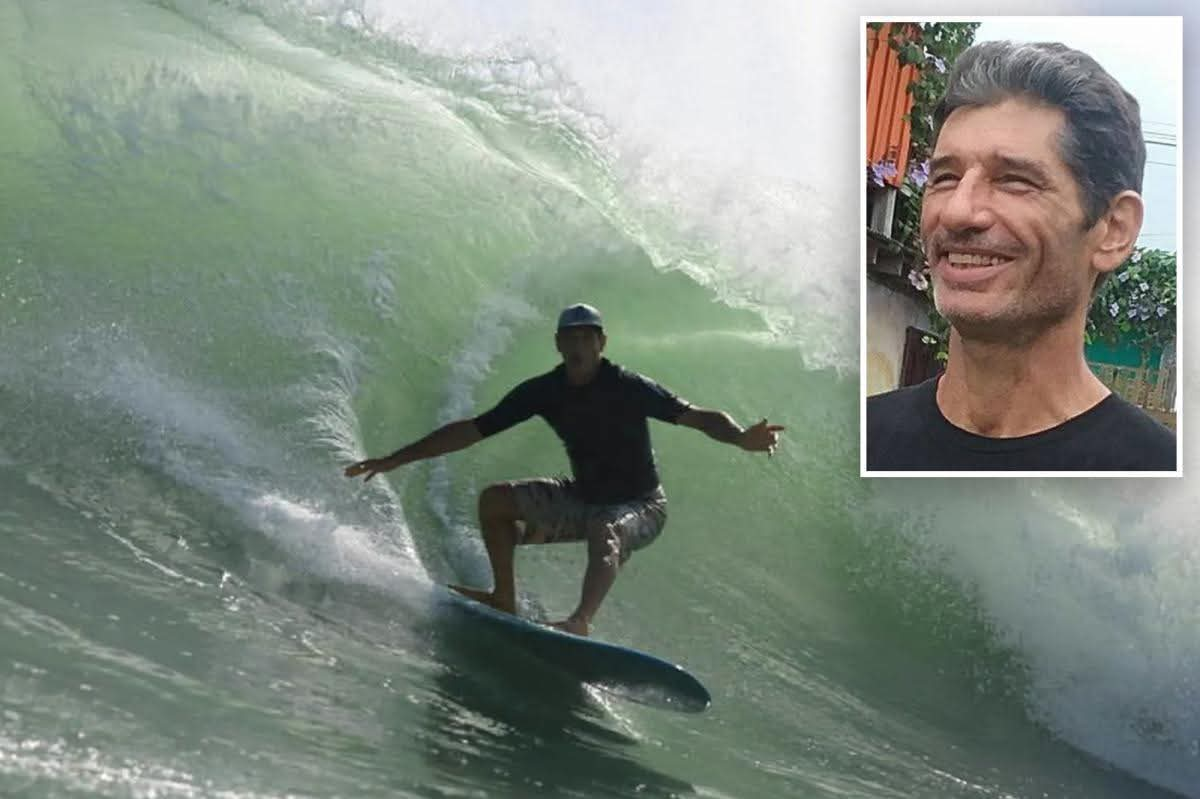
The international surfing community was shaken by the violent death of American surfer Kurt Van Dyke, whose life ended in what authorities describe as an apparent robbery at his home in Cahuita, a coastal town on Costa Rica’s Caribbean shoreline. The 66-year-old was found dead on Saturday morning after law enforcement responded to a report of a man discovered unresponsive in a room.
The killing occurred in the municipality of Talamanca, a region known for its natural beauty and growing expatriate population. According to investigators, Van Dyke died at the scene following an encounter with armed suspects who allegedly entered the residence, threatened the occupants, and stole valuables. Officials have confirmed that he suffered multiple stab wounds and died from asphyxiation, though a forensic examination is ongoing to determine the precise medical cause of death.
A woman present at the time sustained minor injuries but survived the incident. Authorities continue to investigate the circumstances, while the tragedy has drawn widespread attention due to Van Dyke’s reputation as a respected figure within the global surfing community and his roots in a prominent California surfing family.
The Fatal Incident in Cahuita
The sequence of events that led to Van Dyke’s death unfolded in a residential setting in Cahuita, a Caribbean town known for its laid-back atmosphere, tropical coastline, and connection to surf culture. Emergency services received a call at approximately 10:50 a.m. reporting that a man had been found dead in a room. When investigators arrived at the location, they confirmed that Van Dyke had already died.
Preliminary findings indicate that he was inside his apartment with a woman when two armed individuals allegedly approached them. Authorities say the suspects threatened both occupants with a firearm and detained them for several minutes. During this time, valuables were reportedly taken from the residence. The confrontation turned violent, resulting in fatal injuries to Van Dyke. Officials stated that he suffered multiple stab wounds and was also asphyxiated, suggesting a prolonged and physically aggressive attack.
The woman who was present during the robbery survived with injuries that authorities described as minor and not life-threatening. Her survival has made her a potentially important witness as investigators attempt to reconstruct the exact sequence of events and identify the suspects involved. Details regarding the attackers’ identities, how they entered the residence, and whether Van Dyke or his companion knew them have not yet been publicly disclosed.
Read : Pilot Ron Timmermans and Wife Barbara Killed in Plane Crash While Dog Miraculously Survived
Following the discovery of the body, officials transported Van Dyke’s remains to a forensic morgue for examination. The medical analysis is expected to clarify the precise cause of death and provide additional evidence that may assist the criminal investigation. Law enforcement agencies have indicated that the case remains open, with efforts focused on identifying those responsible and determining whether the attack was opportunistic or targeted.
Read : China Calls Worldwide Scientists to Study the Sample of Lunar Soil: Restricted Only US
The violence of the crime has raised concern among residents and visitors in the region, which is widely known for tourism, ecological attractions, and a relaxed coastal lifestyle. While authorities have not suggested broader patterns of similar incidents, the killing of a well-known foreign resident in a home invasion has drawn international attention. The investigation continues to examine both physical evidence and witness testimony in order to establish a clearer picture of what occurred inside the apartment during the robbery.
A Life Connected to Surf Culture
Beyond the circumstances of his death, Kurt Van Dyke’s life reflected decades of connection to surfing and the communities built around it. Originally from Santa Cruz, California, he developed a reputation within international surfing circles through both competitive participation and his broader involvement in promoting the sport. His presence in the Caribbean region, particularly in Costa Rica, contributed to local surf culture, which has grown steadily over the years as the country has become a major destination for wave-riding enthusiasts from around the world.
Van Dyke’s connection to surfing extended far beyond personal achievement. He belonged to a family with deep roots in the sport, reflecting multiple generations of involvement during formative periods of modern surfing culture. His mother, Betty Van Dyke, was recognized as part of an early wave of female surfers who helped expand participation at a time when women’s presence in the sport was still developing. Her involvement represented a pioneering spirit that influenced many who followed, including members of her own family.
The surfing legacy also included Gene Van Dyke, Betty’s first husband, who was known within northern California’s surfing community. Together, their influence helped shape a family environment in which surfing was more than recreation; it was a defining aspect of identity, lifestyle, and community engagement. Growing up in such an environment, Kurt Van Dyke inherited both the technical skills of the sport and a broader cultural connection to coastal living and wave-riding traditions.
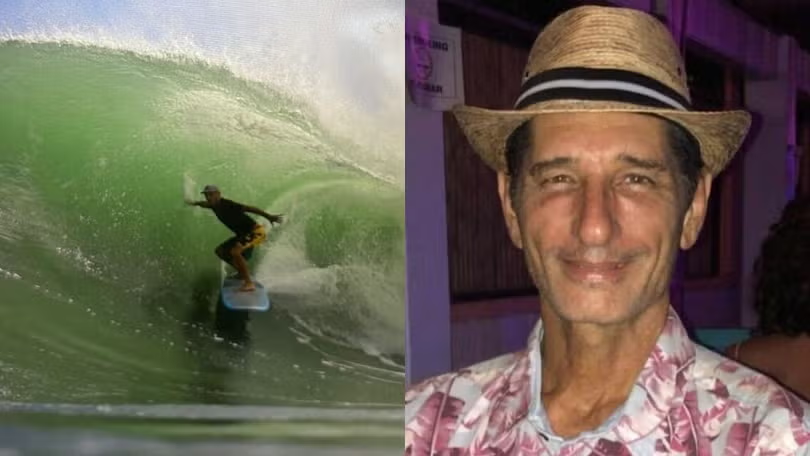
His later years in Costa Rica reflected a continuation of that lifelong commitment. The Caribbean coast, with its warm waters and consistent swells, has long attracted surfers seeking both reliable waves and a slower pace of life. Van Dyke became part of that environment, contributing to local surf networks and maintaining relationships within the international community of enthusiasts and professionals who travel between major surf destinations.
Although detailed records of his competitive career are limited in public reporting, accounts from those familiar with him describe an individual deeply embedded in the culture of the sport. His influence was not confined to performance in the water but extended to the social and communal dimensions that define surfing communities worldwide. These communities often rely on shared knowledge, mentorship, and informal networks that help sustain both local traditions and global connections.
The recognition of his death by surf-focused media platforms and community groups underscores the extent of his reach. Messages of condolence have highlighted not only his personal achievements but also his role in maintaining and nurturing relationships within the sport. For many, his presence represented continuity between earlier generations of surfers and the contemporary global scene.
Family Legacy and Community Response
The news of Van Dyke’s death prompted reactions from family members, friends, and members of the international surfing community. His brother, Peter Van Dyke, described him as a generous and supportive individual who readily helped others and maintained strong personal relationships. Such characterizations reflect the personal dimension of loss experienced by those who knew him beyond his public identity as a surfer.
Family history adds further context to the impact of his death. The Van Dyke name had long been associated with California’s surfing culture, particularly during periods when the sport was expanding in popularity and cultural influence. The continuation of that legacy across generations created a sense of shared identity that extended beyond immediate relatives to include fellow surfers and coastal communities who had encountered members of the family over decades.
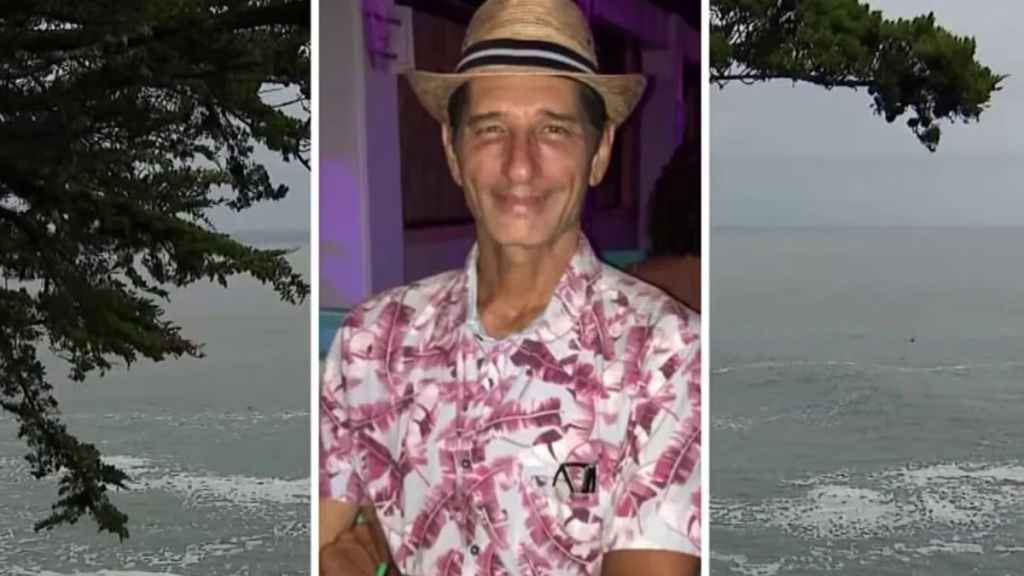
Expressions of grief have also emerged from organizations and media platforms dedicated to surf culture. These groups often serve as informal archives of the sport’s history, documenting the lives and contributions of individuals who have shaped local and international communities. Their public statements following Van Dyke’s death have emphasized the sense of collective loss felt by those connected to surfing networks around the world.
Within Costa Rica, the incident has drawn attention not only because of Van Dyke’s background but also because of the nature of the crime itself. Violent robberies involving foreign residents can have significant social and economic implications, particularly in regions where tourism and expatriate communities form important parts of local life. While authorities have not indicated any broader pattern of violence connected to the case, the killing has nonetheless prompted concern among residents and observers.
At the same time, the ongoing investigation remains central to understanding both the motives behind the attack and the individuals responsible. Law enforcement officials have emphasized that their work continues, with the goal of clarifying all aspects of the incident. Until those details emerge, many questions remain unresolved, including whether the perpetrators specifically targeted Van Dyke or selected the location opportunistically.
The intersection of personal tragedy, community identity, and criminal investigation has shaped the public response to the event. For family members, the focus remains on remembrance and mourning. For the surfing community, the loss represents the passing of an individual whose life reflected the sport’s generational continuity. For investigators, the case remains an active effort to establish accountability and provide clarity regarding a violent crime that has drawn international attention.