
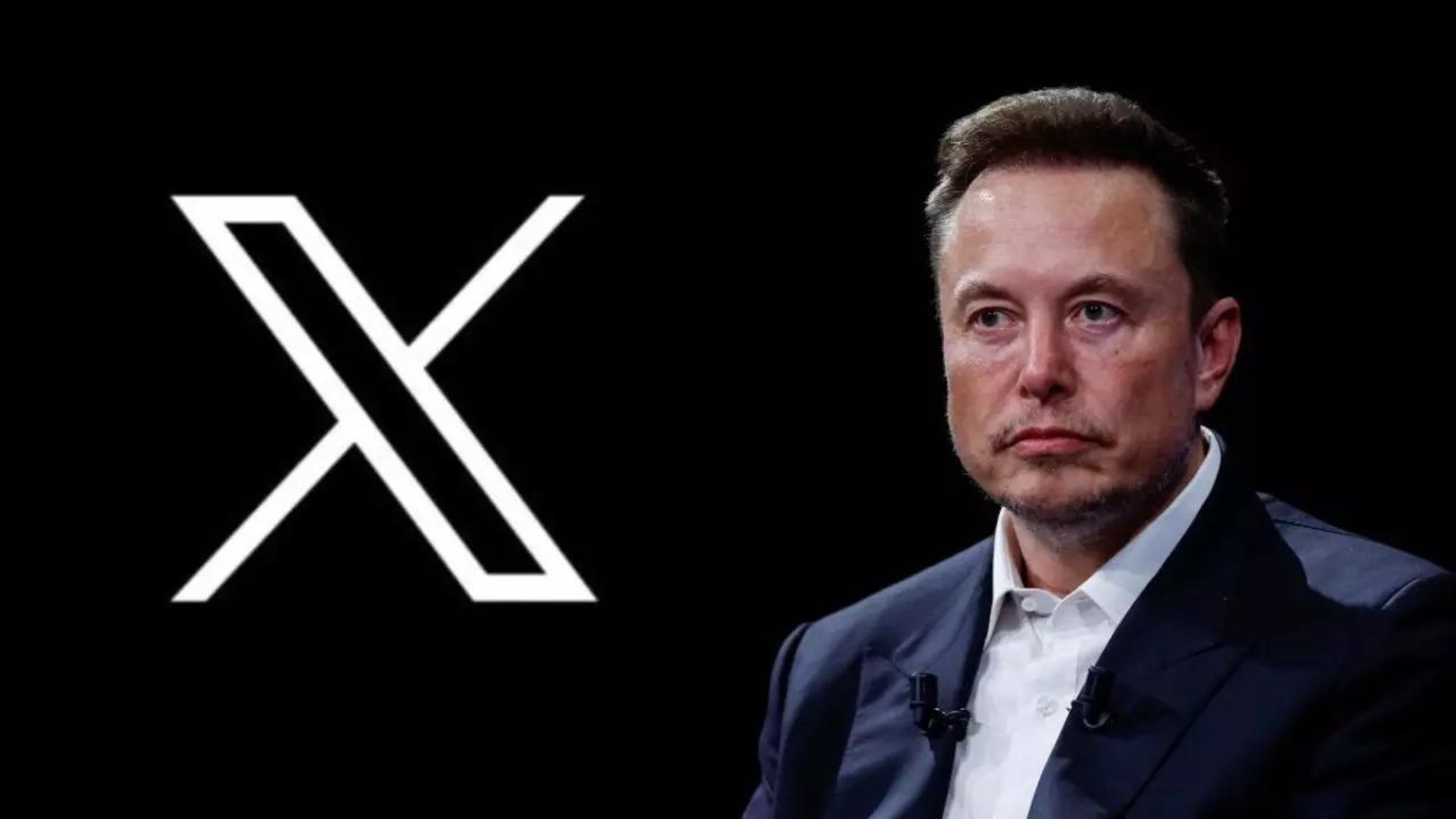
Elon Musk’s social media platform, X (formerly known as Twitter), has found itself in the crosshairs of governments around the world. Brazil’s recent decision to suspended Elon Musk-owned X platform marks a significant moment in the platform’s global journey, but it is not an isolated incident.
This blog explores the growing list of countries that have suspended Elon Musk-owned X platform, delving into the political, social, and legal landscapes that have led to these decisions.
Brazil: The Latest suspended Elon Musk-owned X platform
Brazil’s Supreme Court ordered the suspension of X after a protracted legal battle that stemmed from the platform’s refusal to comply with orders to remove accounts spreading misinformation. The conflict began in April 2023, when Judge Alexandre de Moraes ordered to suspended Elon Musk-owned X platform to suspend dozens of accounts accused of disseminating false information.
The platform’s non-compliance led to a series of escalating legal measures, culminating in the court’s decision to impose an “immediate and complete suspension” of the platform. With 40 million Brazilian users affected, this suspension represents a significant blow to X’s presence in one of its largest markets.
Elon Musk responded to the suspension by criticizing the judge’s decision, labeling it a threat to free speech and accusing the judge of acting with political motives. The suspended Elon Musk-owned X platform will remain in place until X complies with all court orders and pays existing fines.
China: A Longstanding Ban
China was among the first countries to suspended Elon Musk-owned X platform, a decision that dates back to 2009. The Chinese government blocked the platform as part of its broader strategy to control information and prevent the spread of ideas that could challenge the Communist Party’s authority. The ban is part of the country’s “Great Firewall,” a comprehensive internet censorship and surveillance system designed to keep out foreign social media platforms and search engines.
China’s decision to ban X reflects its broader approach to maintaining control over its population by limiting access to information. Chinese citizens rely on state-approved platforms like Weibo and WeChat, which operate under strict government supervision. This censorship has been crucial in preventing the spread of dissent and ensuring that the Chinese Communist Party remains the dominant force in the country.
Russia: Censorship in the Name of Security
Russia followed China’s lead in suspended Elon Musk-owned X platform, albeit with a slightly different justification. The Russian government has taken steps to control social media platforms under the guise of protecting national security and combating extremism. X has faced periodic restrictions and slowdowns in Russia, particularly during periods of political unrest.
In 2021, Russia imposed fines on X for failing to remove content that the government deemed illegal, including posts related to protests against President Vladimir Putin. The platform has also been accused of facilitating the spread of “extremist” content, a term the Russian government often uses to describe opposition voices. The Kremlin’s actions against X are part of a broader strategy to control the flow of information and suppress dissent within the country.
North Korea: A Total Ban
North Korea’s approach to the internet is unlike any other country on this list. The country has suspended Elon Musk-owned X platform, along with virtually all other forms of social media and international websites. The North Korean government maintains strict control over the flow of information, and only a small, privileged segment of the population has access to the internet, which is heavily censored and monitored.
The ban on X is part of North Korea’s broader strategy to keep its population isolated from the outside world. The government relies on a combination of propaganda and repression to maintain control, and social media platforms like X are seen as a potential threat to this system. As a result, North Korea remains one of the most isolated countries in the world, with little to no access to global communication networks.
Iran: A History of Crackdowns
Iran has a long history of cracking down on social media platforms, and X is no exception. The Iranian government suspended Elon Musk-owned X platform in 2009, following the disputed presidential election that led to widespread protests. The platform was used by protesters to organize and share information, leading the government to block access to prevent further unrest.
Since then, the Iranian government has continued to suppress social media platforms as part of its broader strategy to control information and suppress dissent. The ban on X remains in place, and the government continues to monitor and restrict access to other social media platforms as well. Despite these restrictions, many Iranians use VPNs and other tools to bypass censorship and access banned websites, including X.
Myanmar: A Tool of Suppression
Myanmar’s military junta has also targeted X as part of its broader crackdown on dissent and free speech. Following the military coup in February 2021, the junta imposed a ban on several social media platforms, including it suspended Elon Musk-owned X platform, in an attempt to silence opposition voices and prevent the spread of information about the coup and subsequent protests.
The ban on X is part of a broader strategy by the junta to control the flow of information and maintain its grip on power. The military has also used internet shutdowns and other forms of censorship to prevent the spread of information and suppress opposition movements. Despite these efforts, many Myanmar citizens continue to use VPNs and other tools to bypass censorship and access banned websites.
Pakistan: A History of Temporary Bans
Pakistan has a history of imposing temporary bans on X and other social media platforms in response to political and social unrest. The government has used these bans as a tool to control the spread of information and prevent the organization of protests. The most recent suspended Elon Musk-owned X platform occurred in April 2021, following protests by a religious group.
The Pakistani government has justified these bans as necessary to maintain public order and prevent the spread of misinformation. However, critics argue that these actions are part of a broader strategy to suppress dissent and control the flow of information in the country. Despite the bans, many Pakistanis continue to use VPNs and other tools to access X and other social media platforms.
Turkmenistan: A Digital Blackout
Turkmenistan, one of the most repressive countries in the world, has imposed a total ban on X as part of its broader strategy to control the flow of information and maintain its grip on power. The government has imposed strict censorship on the internet, and access to social media platforms is heavily restricted.
The ban on X is part of a broader strategy by the Turkmen government to maintain control over its population by limiting access to information. The government relies on a combination of propaganda and repression to maintain control, and social media platforms like X are seen as a potential threat to this system. As a result, Turkmenistan remains one of the most isolated countries in the world, with little to no access to global communication networks.
The Growing List of Banned Countries
As X faces growing scrutiny from governments around the world, the list of countries that have imposed bans or suspensions on the platform continues to grow. Each of these countries has its unique reasons for suspended Elon Musk-owned X platform, ranging from concerns about misinformation to efforts to control the flow of information and suppress dissent.
Here is a summary of the countries that have banned or suspended Elon Musk-owned X platform, along with the reasons for their actions:
| Country | Reason suspended Elon Musk-owned X platform |
|---|---|
| Brazil | Non-compliance with court orders, spreading misinformation. |
| China | Government control over information, part of the “Great Firewall.” |
| Russia | National security concerns, failure to remove “illegal” content. |
| North Korea | Total ban on social media, government control over information. |
| Iran | Suppression of dissent, control over information following 2009 protests. |
| Myanmar | Crackdown on dissent following the 2021 military coup. |
| Pakistan | Temporary bans in response to political and social unrest. |
| Turkmenistan | Government control over information, total ban on social media. |
The suspended Elon Musk-owned X platform in Brazil is just the latest example of how governments around the world are grappling with the challenges posed by social media platforms. Whether it’s concerns about misinformation, efforts to control the flow of information, or attempts to suppress dissent, the reasons for banning or suspending X vary from country to country.
As the platform continues to evolve under Elon Musk’s ownership, it will likely face further challenges from governments seeking to regulate or restrict its influence. The growing list of countries that have taken action against X serves as a reminder of the complex relationship between social media and political power in the modern world.