

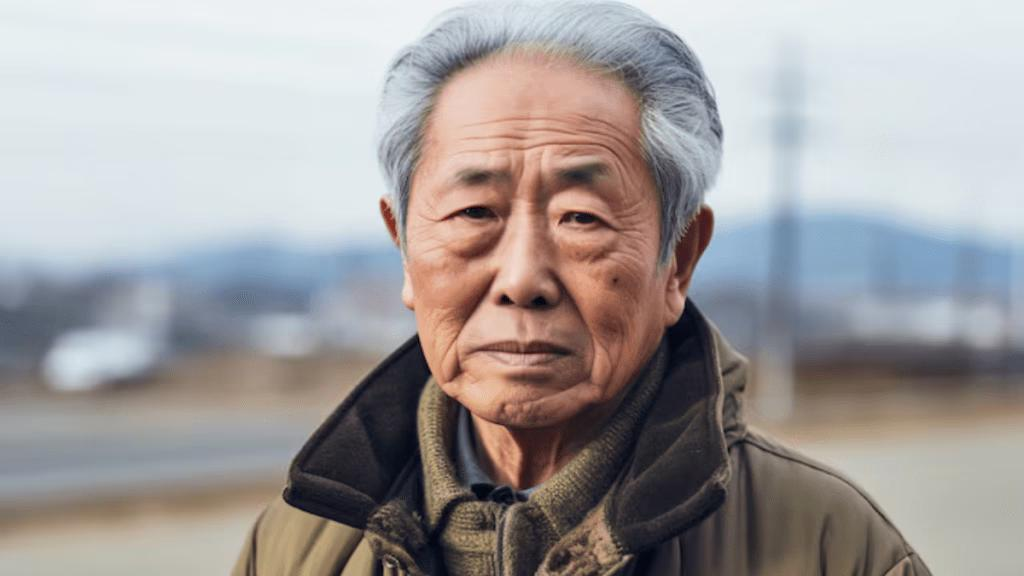
In a poignant reflection on the trade-offs between financial security and personal fulfillment, a 67-year-old Japanese man identified only as Suzuki has shared his regrets over decades of extreme frugality. Suzuki, who amassed savings of 35 million yen—equivalent to approximately $240,000—through relentless cost-cutting measures, now questions the value of his choices following the recent death of his wife. His story, first reported by Japan’s The Gold Online and subsequently covered internationally, highlights the emotional toll of prioritizing savings over shared experiences in an era where Japan’s aging population grapples with retirement realities.
Suzuki’s account has resonated widely, sparking discussions on social media and financial forums about the balance between thrift and joy. At a time when many in Japan face economic pressures from stagnant wages and rising costs, his experience serves as both an inspiration for disciplined saving and a cautionary tale about what might be lost along the way. As of late September 2025, the narrative has gone viral, with users debating whether his amassed wealth justifies the sacrifices made during his marriage.
The Roots of Relentless Saving: A Childhood Shaped by Poverty
Suzuki’s journey toward financial independence began in humble circumstances, a common thread in many Japanese success stories of self-made savers. Born into a poor family during his secondary school years, Suzuki started working part-time jobs at local restaurants to support himself. These early experiences instilled in him a profound respect for money and a deep-seated fear of financial instability. “From a young age, I learned that relying on others was not an option,” Suzuki recounted in his interview with The Gold Online. This mindset became the foundation of his adult life, driving him to adopt habits that would define his career and marriage.
Upon entering the workforce full-time, Suzuki maintained the same rigorous approach. He commuted long distances to his job but refused to invest in conveniences like a car, opting instead for walking or cycling to minimize expenses. His daily lunches were simple affairs: homemade bento boxes filled with inexpensive ingredients such as chicken and bean sprouts, prepared the night before to avoid any unnecessary spending. Even as his salary grew modestly over the years, Suzuki funneled nearly every extra yen into savings accounts, viewing each deposit as a buffer against the uncertainties he remembered from childhood.
This discipline paid off in tangible ways. By his mid-50s, Suzuki had accumulated 35 million yen in pure savings, a sum that placed him in a comfortable position relative to Japan’s average household savings rate, which hovers around 5-10 million yen for retirees. He lived in a modest, low-rent apartment far from the city center, deliberately choosing affordability over location.
Read : Japanese Man Who Became a Dog Opens Tocotoco Zoo Where People Can Live Like a Dog
Utilities were another area of strict control; during sweltering Tokyo summers, Suzuki avoided using the air conditioner entirely, enduring the heat to keep electricity bills under 5,000 yen per month. “Every yen saved was a yen earned twice,” he used to tell himself, echoing the stoic philosophy that propelled his accumulation.
Read : 21 Japanese Habits That the World Must Learn
Suzuki’s frugality extended to leisure and social activities. He rarely, if ever, dined out, viewing restaurants as extravagant traps for the unwary. Vacations were nonexistent; family outings were limited to free or low-cost park visits, where picnics consisted of home-packed rice balls. These choices were not born of misery but of calculated intent. In Japan, where the national savings rate remains one of the highest in the world at around 25% of disposable income, Suzuki’s approach aligned with cultural norms emphasizing endurance and future-proofing. Yet, as he later reflected, this singular focus on accumulation came at the expense of broader life engagement, setting the stage for deeper regrets.
A Marriage Defined by Simplicity: Shared Sacrifices and Unspoken Longings
Suzuki’s frugal lifestyle persisted seamlessly into his marriage, which began when he wed a colleague who was fully aware of his thrifty nature. The couple, both in their 30s at the time, shared a vision of stability over splendor, pooling their resources to build a nest egg rather than a lifestyle of comfort. Their home remained the same modest apartment, with no upgrades to appliances or decor that might inflate costs. Meals were always prepared at home, with seasonal vegetables and minimal protein to stretch budgets further. “We understood each other,” Suzuki said, noting that his wife never complained about the routines they established.
However, beneath this harmony lay subtle tensions. The couple’s social life was curtailed; invitations to friends’ gatherings were politely declined if they involved paid entry or transportation fees. Travel, a common aspiration for many Japanese couples, was off the table—Suzuki once calculated that a single domestic trip to Kyoto would cost the equivalent of two months’ savings, a price too steep for his principles. Instead, their “adventures” were confined to neighborhood walks or occasional library visits, activities that cost nothing but time.
In retrospect, Suzuki wonders if his wife harbored quiet desires for more, perhaps a weekend getaway or a meal at a cozy izakaya, indulgences that might have strengthened their bond through novelty and delight. As they aged, the frugality took on new dimensions. Suzuki’s wife, who worked alongside him for years, retired shortly before he did, and the couple relied on their combined pensions—his at 240,000 yen monthly—to maintain their lean existence. Medical checkups were prioritized, but any non-essential health aids, like premium supplements, were deemed unnecessary.
This era of their life, spanning their 50s and early 60s, was marked by quiet companionship rather than exuberant celebration. Suzuki now acknowledges that while his savings provided security, they also created an invisible barrier to the luxuries that could have marked milestones, such as anniversaries or her birthday. “She deserved more than endurance,” he admitted, his voice tinged with sorrow in the interview. The couple’s life, though stable, was one of quiet restraint, a testament to mutual commitment but also to opportunities foregone.
Upon Suzuki’s retirement at 60, he took a bold step by investing his severance pay and pension lump sum, growing his assets to 65 million yen within five years. This windfall, achieved through low-risk bonds and mutual funds, solidified his financial independence. At the time, he viewed it as vindication—a “guarantee for emergencies and later life,” as he put it. Yet, just as this security crystallized, tragedy struck. His wife, then 66, was diagnosed with a serious illness following a sudden collapse. Despite prompt treatment covered by Japan’s national health insurance, she passed away about a year later, leaving Suzuki alone with his substantial but silent fortune.
Reflections in Solitude: The High Cost of Wealth Without Warmth
In the wake of his wife’s death, Suzuki’s reflections have turned profoundly introspective, challenging the very tenets that guided his life. Now 67, he lives comfortably on his pension and investment income, with assets totaling 65 million yen providing a buffer against inflation and longevity risks in Japan’s super-aged society. Yet, this material abundance feels hollow. “Time cannot be turned back. What is the meaning of life with only money left?” Suzuki asked rhetorically during his interview, a question that has echoed across global media outlets.
The regrets center on specifics: the absence of travel, the unshared meals at fine restaurants, the lack of small luxuries like a proper air-conditioned evening or a spontaneous drive to the countryside. Suzuki imagines how a modest splurge—perhaps a hot spring getaway in Hakone or a kaiseki dinner—might have created lasting memories, fortifying their partnership against the isolation of routine. He speaks of his wife’s gentle demeanor, how she adapted without protest, but now wonders if her silence masked disappointment. “I saved for us, but we missed living for us,” he said, encapsulating the emotional ledger that no bank statement can balance.
Suzuki’s story is not isolated in Japan, where extreme frugality has produced other high-profile savers. Just last year, a 45-year-old man garnered attention for accumulating 135 million yen over two decades by subsisting on rice, pickled plums, and free convenience store drinks earned via loyalty points. These tales underscore a broader cultural tension: Japan’s vaunted work ethic and savings culture have enabled economic miracles, but in an era of low birth rates and extended lifespans—average life expectancy now exceeds 84 years—they also amplify regrets over unlived lives.
Financial experts note that while Suzuki’s net worth exceeds the median for his age group (around 20 million yen), studies from the Financial Services Agency show that many retirees prioritize “ikigai”—a sense of purpose—over pure wealth.
As Suzuki navigates widowhood, he has begun small experiments in spending: a recent solo trip to a nearby onsen, funded by dipping into his savings for the first time in decades. It brought tentative joy, but also sharper pangs of what might have been shared. His narrative serves as a timely reminder amid 2025’s economic headwinds, including yen depreciation and post-pandemic recovery challenges. For savers worldwide, it poses an urgent query: In the pursuit of financial freedom, how much freedom from joy is too much? Suzuki’s answer, forged in loss, urges a recalibration—wealth as a tool for life, not its entirety.