
The fall of Bashar al-Assad’s regime marks a pivotal moment in Syria’s history. For over a decade, fear silenced voices that could speak of the atrocities committed under Assad’s rule.
Now, with his ousting, survivors and families of victims are stepping forward, unveiling a system of torture and repression that leaves a chilling legacy.
The testimonies emerging from Syria reveal the scale of the horrors endured in detention facilities. Over 100 such facilities were created to suppress dissent during the civil war. Torture, sexual violence, and systemic killings were institutionalized.
A System of Torture and Brutality
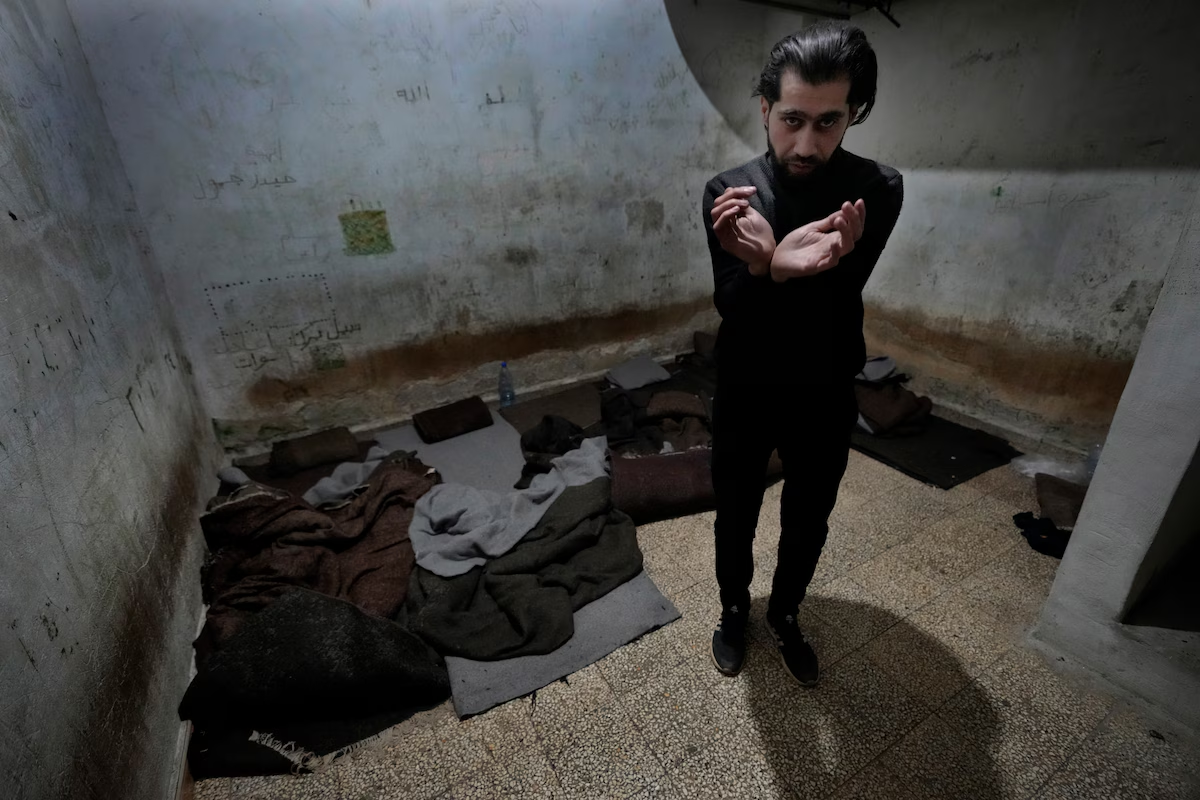
The regime of Bashar al-Assad systematically utilized torture as a tool of repression. Institutions like Branch 215, the Palestine Branch, and Saydnaya Prison became infamous for their inhumane practices. Abdullah Zahra, who was detained at Branch 215, described conditions so horrific that death seemed preferable.
In a cell measuring just 4-by-4 meters, 100 men were crammed together, each allotted the space of a single floor tile. Many suffocated during power outages when ventilators stopped working.
Zahra was arrested alongside his father after the regime killed his brother, a graffiti artist protesting Assad’s rule. While Zahra eventually escaped, 13 of his male relatives were later detained, tortured, and killed. The leaked photos of corpses from Assad’s prisons revealed their fate, yet their bodies remain unrecovered.
The tortures inflicted in these facilities were not random but meticulously orchestrated. Survivors recount the use of the “magic carpet,” where detainees were strapped to a wooden plank that bent their bodies into excruciating positions. Others were subjected to “the tire,” where their legs were folded into a car tire as they were beaten mercilessly.
Read : Ousted Syrian President Bashar al-Assad Allegedly Poisoned in Moscow: Report
Mahmoud Abdulbaki, a former detainee, was forced to endure 200 lashes while counting aloud. If he made a mistake, the beating restarted. Such methods were not limited to interrogations but were meted out as punishment for trivial acts like praying or making noise.
‼️ BREAKING: LEAKED PHOTO reveal the grim reality inside ASSAD'S torture prisons in Syria! pic.twitter.com/qHOyUTKXL8
— Yuliana Dlugaj 🇷🇺🇨🇳🇰🇵 (@DlugajJuly) December 12, 2024
The psychological scars of such treatment run deep. Abdul-Karim Hajeko, another survivor, still suffers from broken vertebrae after being stomped on during interrogations. Many prisoners lost not just their physical health but also their sanity. Torture became a weapon to destroy entire families and communities.
The Cost of Silence and Fear
Under Assad’s rule, fear blanketed Syrian society. Families dared not speak of loved ones who had disappeared, fearing they too would be targeted. This climate of silence allowed the regime’s machinery of death to operate unchecked for years.
Rasha Barakat, a mother of two, was arrested alongside her sister in 2024. She was beaten, stripped, and left shivering in isolation for hours. Her husband, arrested on the same day, was killed in custody. When Barakat was released, her psychological wounds were evident. Though she was reunited with her children, the trauma of her experience lingers.
The regime’s targeting extended to entire neighborhoods and communities. Young men and women were detained simply for living in areas where protests occurred. In some cases, even Assad’s soldiers were not spared, punished for perceived disloyalty.

For families, the loss is compounded by uncertainty. The whereabouts of tens of thousands remain unknown. Rights groups estimate at least 150,000 people disappeared into Assad’s prison network. Many were killed, but the lack of information about their fate continues to haunt their loved ones.
Rajaa Zahra, Abdullah Zahra’s aunt, lost three of her six sons to torture at Branch 215. Another son was killed at a protest. She refrained from looking at the leaked photos of detainees’ corpses, unable to bear the confirmation of her children’s deaths. “They were hoping to finish off all the young men of the country,” she lamented.
The Road to Justice and Accountability
With Assad’s fall, insurgents opened detention facilities, releasing prisoners and exposing the extent of the regime’s atrocities. Survivors and their families are now demanding justice and answers. The task ahead is monumental.
Thousands of documents have been discovered in former detention facilities, many classified and stored underground. These include intelligence files, transcripts of intercepted phone calls, and lists of prisoners executed in custody.
Shadi Haroun, a former detainee who spent a decade documenting Assad’s prison network, believes these records provide a blueprint of the regime’s systematic brutality.
Civil defense workers are also identifying mass graves, guided by reports from local residents. At least 10 graves have been located around Damascus, with more expected to be uncovered. These graves could hold the remains of tens of thousands who perished in detention.
The international community is stepping in to aid the new interim administration in Syria. The U.N.’s International Impartial and Independent Mechanism (IIIM) has been compiling evidence since 2011. Its director, Robert Petit, emphasizes the importance of prosecuting those responsible for orchestrating the regime’s brutality.
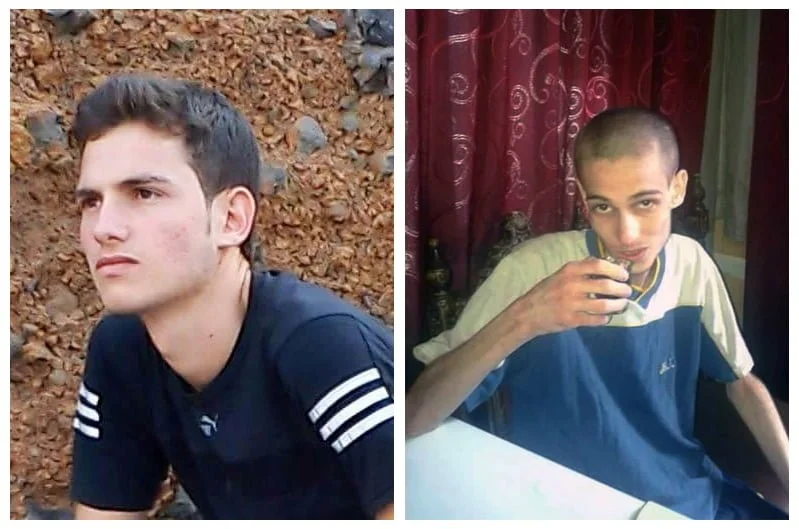
However, justice for the victims is far from straightforward. Families like that of journalist Wafaa Mustafa, whose father was detained and killed 12 years ago, demand thorough investigations.
Simply declaring the missing as presumed dead is not enough. “No one gets to tell the families what happened without evidence, without search, without work,” Mustafa asserts.
Survivors also face the challenge of rebuilding their lives. Many are psychologically shattered, struggling to find closure. Rasha Barakat, for instance, expressed her difficulty in moving forward despite being reunited with her children. “Something is missing. It is hard to keep going,” she said.
A Generation Lost, A Nation Rebuilding
The fall of Assad has left Syria grappling with a generation scarred by torture, loss, and fear. As the country begins to rebuild, the stories of survivors serve as a testament to the resilience of the human spirit.
Touring the sites of their torture, former detainees like Zahra confront the physical remnants of their trauma. The cells where they once suffered now stand as stark reminders of a regime that sought to crush dissent at all costs.
The journey towards accountability will be long and arduous. But the voices of those who endured Assad’s brutality are now impossible to ignore. Their courage in speaking out is a powerful step toward ensuring that such atrocities are never repeated.
The scars of Assad’s rule run deep, but so does the determination of Syrians to seek justice and rebuild their nation. In the words of one survivor, “Look at Syria, it is all old men … A whole generation is destroyed.” Yet, amidst the destruction, there is hope. A new Syria is emerging, one where the voices of the silenced are finally being heard.