
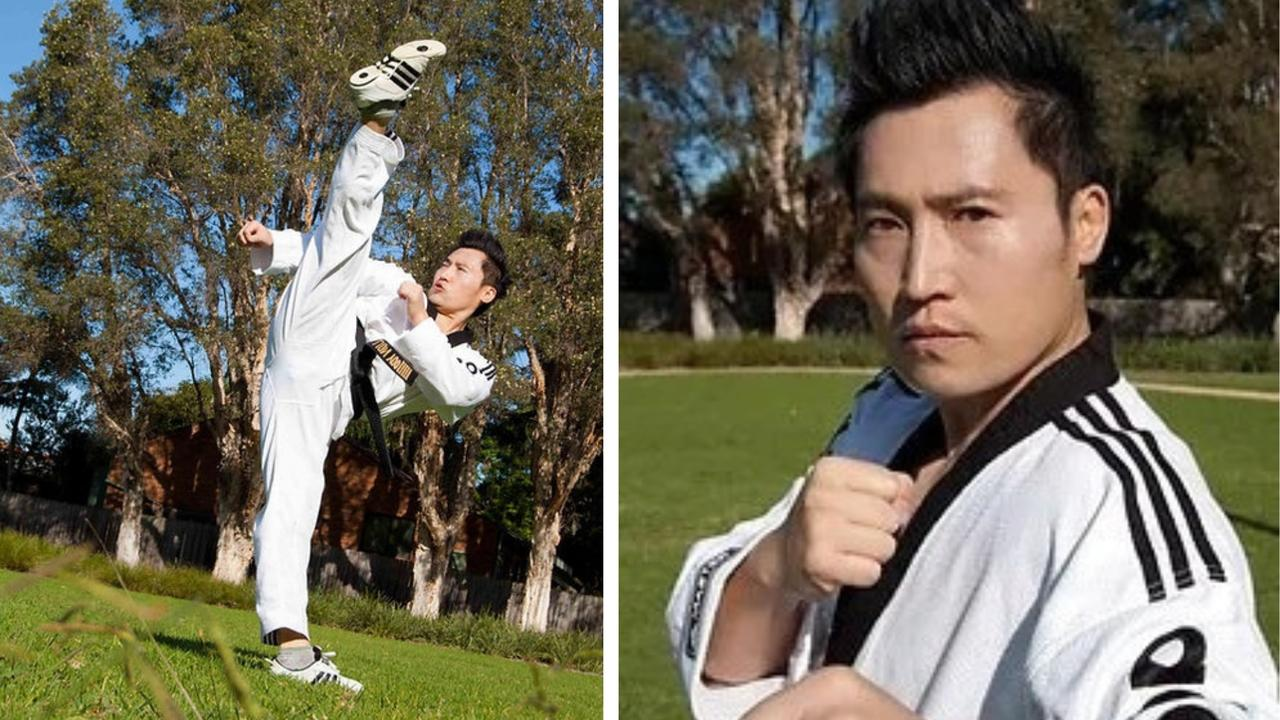
The sentencing of taekwondo instructor Kwang Kyung Yoo marks one of the most disturbing criminal cases to come before the New South Wales Supreme Court in recent years. Yoo, a 51-year-old South Korean national who operated a taekwondo studio in North Parramatta, was handed a life sentence with no possibility of parole for the murder of a young student and both of the child’s parents.
The crimes, committed in February 2024, revealed a calculated and deeply troubling pattern of deception, jealousy, and escalating violence that ultimately destroyed an entire family. Justice Ian Harrison described the killings as “horrific and violent acts, senselessly cruel and cynical,” concluding that Yoo should spend the rest of his life in prison. The case has drawn widespread attention not only because of the brutality of the murders, but also because of the breach of trust at its core.
Kwang Kyung Yoo was a respected instructor to many families, presenting himself as a disciplined martial arts master and community figure. Behind that image, however, lay years of fabricated achievements, financial distress, and a growing resentment toward those he perceived as more successful. The court’s findings paint a stark picture of how those underlying factors culminated in three deliberate and merciless killings.
The Murders and the Breach of Trust
The events unfolded over a short but devastating period in February 2024. Kwang Kyung Yoo first targeted the 41-year-old mother of one of his students. She was strangled before Yoo went on to teach a taekwondo class, an act the court later described as chilling in its normality given what had already occurred. After the class, Yoo murdered the woman’s seven-year-old son inside his studio at North Parramatta. The child, who had been entrusted to Yoo’s care as a teacher and mentor, was strangled without any warning, having been lulled into a false sense of safety alongside his mother.
Justice Harrison later described the killing of the child as an egregious breach of trust. The boy was particularly vulnerable, not only because of his age but because of the relationship between student and instructor. Kwang Kyung Yoo had cultivated an image of authority, discipline, and guidance, all of which were fundamentally betrayed in the most extreme way possible. The judge emphasised that the child and his mother were entirely unaware of the fate that awaited them, underscoring the calculated nature of the crimes.
Following the murders at the studio, Kwang Kyung Yoo escalated his actions further. He took the woman’s Apple Watch and drove her BMW to the family home in Baulkham Hills. There, he fatally stabbed the 39-year-old father. The third killing completed what the court determined to be a planned series of acts, motivated not by impulse but by resentment and envy. Despite the severity of the crimes, Yoo made little effort to conceal his actions. He did not attempt to avoid CCTV cameras inside the taekwondo studio, nor did he try to hide the bodies.
Read : 19-Year-Old Ohio Influencer Noah Thomas Charged After Jumping Into Pittsburgh Zoo Elephant Enclosure
This lack of concealment was noted by the court as part of the broader assessment of his conduct, though it did not lessen the seriousness of the offences. Friends of the victims, speaking outside court after the sentence was handed down, expressed relief and satisfaction with the outcome. Their reaction reflected the gravity of the loss suffered by the family’s wider community, as well as the sense that justice had been firmly applied in response to an irreparable harm.
Deception, Jealousy, and Financial Collapse
Central to the court’s findings was the motive behind the murders. Justice Harrison concluded that Yoo’s actions were driven largely by jealousy, stemming from his own financial struggles and his perception of the victims’ success. At the time of his arrest, Kwang Kyung Yoo was in significant debt, owing tens of thousands of dollars and falling behind on rent. The judge found that these pressures, combined with Yoo’s long-standing obsession with status and achievement, contributed to a sense of resentment that ultimately turned violent.
During sentencing hearings, the court heard extensive evidence about Yoo’s pattern of deception. He had repeatedly lied about major aspects of his life, including claims that he had met mining magnate Gina Rinehart, qualified for the 2000 Olympic Games, owned a Lamborghini, and lived in Sydney’s affluent eastern suburbs. None of these claims were true. Kwang Kyung Yoo also fabricated emails, sending messages to himself while pretending to be prominent or influential figures, all in an effort to impress his wife and his students.
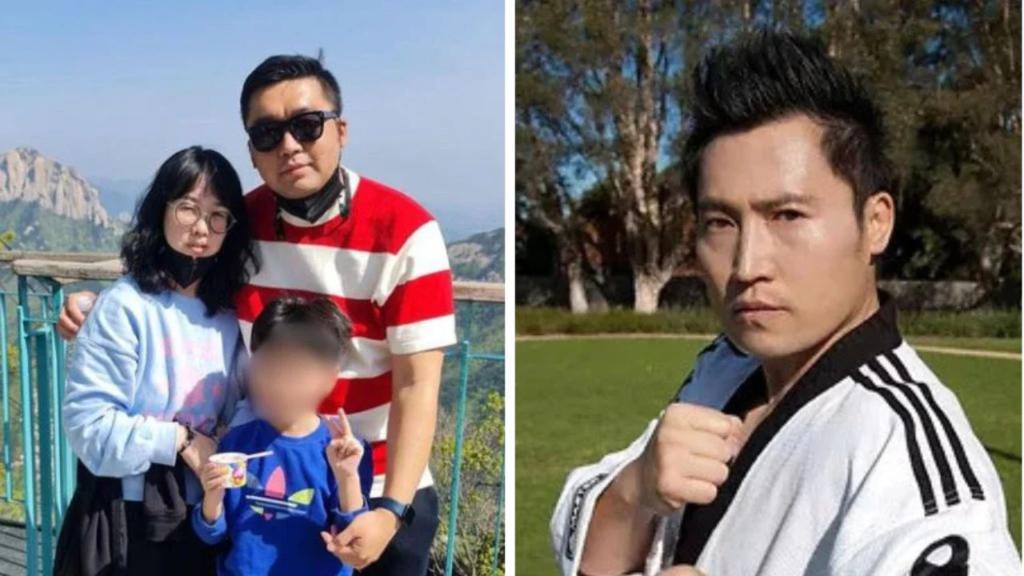
Justice Harrison noted that Kwang Kyung Yoo admitted to a psychologist that his lies grew increasingly elaborate as those around him began to ask more questions. Rather than abandoning the falsehoods, Yoo expanded them, creating a fictional version of himself that he felt compelled to maintain. Despite these efforts, he failed to achieve the success and recognition he desired, which further deepened his frustration.
The judge also considered Yoo’s background, including the unrealistic expectations placed on him from childhood by his parents and cultural environment. According to the court, Yoo felt a persistent burden to achieve a high level of success, and his inability to meet those expectations contributed to his sense of failure. At one point, Yoo expressed a disturbing rationalisation to a psychologist, suggesting that he had lived as a good person for long enough and that becoming a “bad person” might allow him to provide his family with what they wanted. This statement was cited by the judge as an indication of Yoo’s distorted thinking and moral disengagement.
The Sentence and Its Broader Implications
On Tuesday, Yoo sat in the NSW Supreme Court with his head bowed as Justice Harrison delivered the sentence. The judge imposed a life sentence with no parole, meaning Yoo will die in prison. In doing so, Justice Harrison stated that such a sentence was necessary to send a clear message to the community that murdering people “for effectively no reason at all” would not be tolerated. The absence of a parole date reflected the court’s assessment that Yoo’s crimes fell into the category of the most serious imaginable.
As the sentence was handed down, Yoo did not look toward the victims’ family members or supporters seated in the public gallery, many of whom were visibly distressed and sobbing. The emotional weight of the moment underscored the permanent consequences of Yoo’s actions, not only for the immediate family but for everyone connected to them. The court also acknowledged Yoo’s expressions of remorse, though these did not mitigate the sentence.
Justice Harrison noted that Yoo appeared deeply remorseful for the pain he had caused, and he was handed a box of tissues during the judge’s remarks. In a letter submitted to the court, Yoo wrote that he felt “held captive by sin” and expressed a desire to give himself to Jesus Christ. He stated that he wished he could turn back time so the crimes had not occurred and that he prayed daily for the people he had hurt. While the judge acknowledged these statements, they were ultimately outweighed by the calculated nature of the murders and the irreversible harm inflicted.
Legal restrictions in New South Wales prevent the identification of child victims of crime, meaning the names of the boy and his parents cannot be published. Nevertheless, the case has resonated widely, serving as a stark reminder of the potential consequences when trust is abused and personal grievances escalate into violence. Justice Harrison’s remarks made clear that the sentence was not only a response to the specific crimes, but also a reaffirmation of the legal system’s role in protecting the community and denouncing acts of extreme cruelty.
The life sentence imposed on Kwang Kyung Yoo closes the criminal proceedings but leaves enduring questions about accountability, deception, and the warning signs that may precede such acts. While the court’s decision ensures that Yoo will never be released, the impact of his actions will continue to be felt by those who knew and loved the victims, as well as by a broader public grappling with the realities exposed by the case.
ejcassinoapp, pra quem curte jogar no celular, esse app é a pedida! Rápido, fácil de usar e com todos os jogos que a gente ama! Baixa aí o ejcassinoapp.
**mitolyn official**
Mitolyn is a carefully developed, plant-based formula created to help support metabolic efficiency and encourage healthy, lasting weight management.