
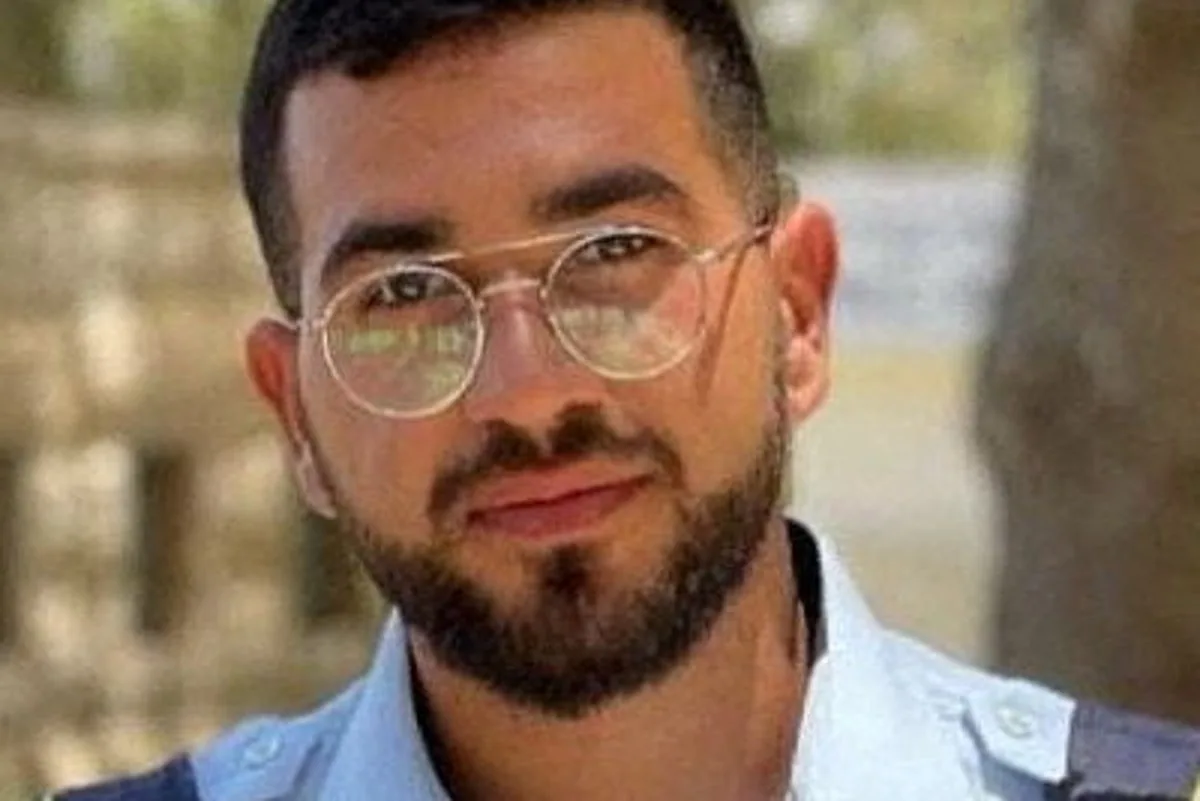
The fragile Gaza ceasefire has entered a tense and emotionally charged phase as Talik Gili, the mother of Israeli hostage Ran Gvili, publicly urged the Israeli government not to advance to the second stage of the agreement until her son’s body is returned. Ran Gvili is the last Israeli hostage whose remains are still believed to be held in Gaza, making his case both symbolically and politically significant as Israel weighs its next steps in negotiations with Hamas.
Gili’s appeal comes amid renewed accusations of ceasefire violations, rising casualties in Gaza despite the truce, and mounting diplomatic pressure ahead of Prime Minister Benjamin Netanyahu’s upcoming meeting with former US president Donald Trump. The ceasefire, brokered by the United States and launched in October, was intended to pause the fighting after two years of devastating war and to create a pathway toward a broader political settlement.
While it has led to the release of 20 living hostages and the return of most deceased captives, the agreement remains deeply contested. Hamas and Israel continue to accuse one another of breaches, and the political foundations of the truce appear increasingly unstable. Against this backdrop, the personal grief of one family has become intertwined with national decision-making and international diplomacy.
A Mother’s Demand and the Weight of a Final Hostage
Talik Gili’s demand is rooted in both personal loss and a broader insistence on the sanctity of agreements. Her son, Ran Gvili, was killed during the conflict, and his body remains unreturned, making him the final Israeli hostage still held by Hamas. Speaking through Israeli media, Gili called for Israel to refuse any move toward implementing the second phase of the ceasefire until her son is brought home, arguing that failing to do so risks losing leverage and abandoning the principle that no hostage should be left behind.
Gili has announced that she will accompany Prime Minister Netanyahu on his upcoming trip to the United States, where he is scheduled to meet Donald Trump on 28 December. Her presence is intended to underscore the human cost of political compromise and to remind negotiators that unresolved hostage cases carry profound emotional and moral consequences. She has described it as “inconceivable” that one side could violate agreements while the other proceeds as though nothing has happened, emphasizing that the ceasefire deal received explicit backing from the United States and should therefore be enforced in full.
Hamas has claimed that it does not know the location of Ran Gvili’s remains, a statement that has further inflamed Israeli anger and skepticism. For many in Israel, this assertion reinforces doubts about Hamas’s willingness or ability to comply fully with the terms of the ceasefire. The return of bodies has long been a sensitive issue in Israeli society, where burial rituals and the recovery of the dead are deeply significant. As a result, Gili’s appeal resonates beyond her own family, touching a broader national nerve.
Master Sergeant Ran "Rani" Gvili is the last hostage to be returned to Israel from Gaza – and phase two of the ceasefire hinges on the return of his body.
— Sky News (@SkyNews) December 21, 2025
His mother Talik Gvili tells @DiMagnaySky 'We will finish Hamas if they don't give us Rani.'
➡️ https://t.co/ePc4LeD6vf pic.twitter.com/CKdiO5bnHl
The Israeli public remains divided over how much pressure should be applied to secure the final return. Some argue that halting progress on the ceasefire risks reigniting large-scale violence, while others insist that advancing negotiations without resolving the last hostage case undermines both justice and deterrence. Gili’s stance aligns with the latter view, asserting that moving forward prematurely would signal weakness and erode trust in future agreements.
Ceasefire Under Strain as Accusations and Violence Persist
Since its inception in October, the ceasefire has been marked by repeated allegations of violations from both Israel and Hamas. Reports indicate that hundreds of people have been killed in Gaza in the months following the start of the truce, raising questions about its effectiveness and durability. Each side accuses the other of actions that undermine the agreement, creating a cycle of blame that complicates mediation efforts.
The latest flashpoint occurred in Rafah, where an Israeli soldier was wounded by an explosive device. Israeli officials quickly vowed that the country would “respond accordingly,” framing the incident as a serious breach of the ceasefire. Hamas, however, denied responsibility, claiming the blast was caused by unexploded Israeli ordnance left behind from previous airstrikes. Hamas official Mahmoud Merdawi stated that mediators had been informed of this explanation, illustrating how even specific incidents become contested narratives in the broader conflict.
Read : Who is Steve Witkoff, the Gaza Peace Deal Architect Now Pushing for Ukraine Ceasefire?
These disputes highlight the structural weaknesses of the ceasefire. While it established mechanisms for hostage exchanges and limited military restraint, it did not fully resolve issues related to enforcement, accountability, or the presence of unexploded weapons in densely populated areas. As a result, both sides retain the ability to accuse the other of bad faith, keeping tensions high and trust low.
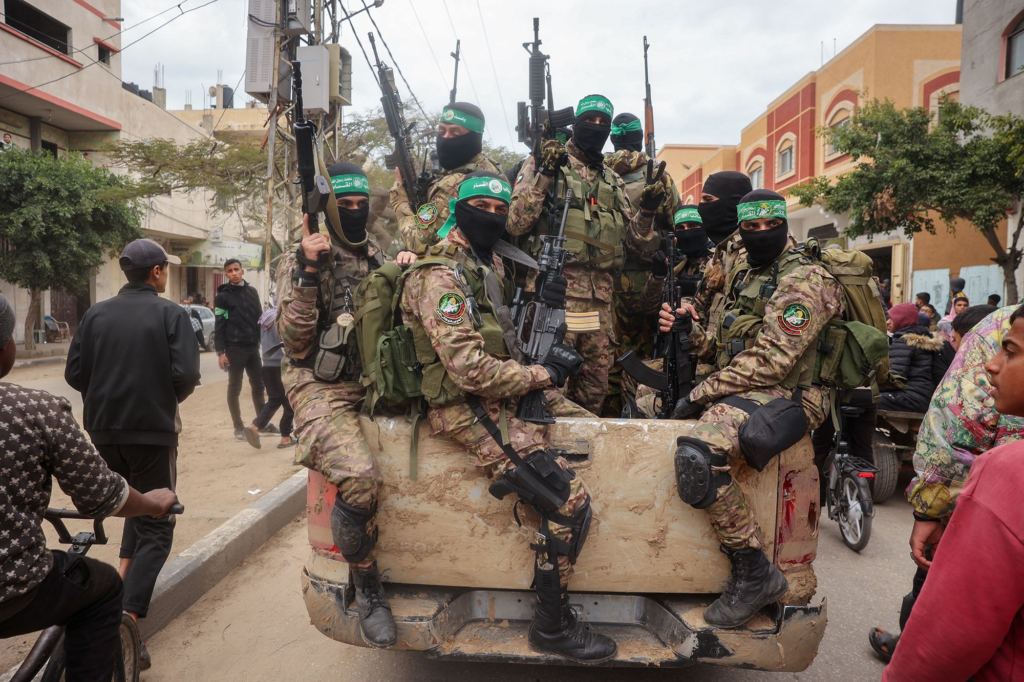
International mediators continue to push for progress toward the second phase of the agreement, which is meant to move beyond a temporary truce toward more substantive political arrangements. Turkish Foreign Minister Hakan Fidan recently confirmed meetings with Hamas political bureau officials in Ankara to discuss advancing the ceasefire, signaling regional efforts to keep the process alive. Yet these diplomatic initiatives occur against a backdrop of unresolved grievances and ongoing violence, making any transition to the next phase fraught with risk.
For families of hostages, the persistence of violence since the ceasefire began has been particularly painful. The expectation that a truce would bring relief and closure has not been fully realized, and each reported death reinforces fears that political calculations are outweighing humanitarian commitments. Gili’s call to halt progress reflects this frustration, asserting that without full compliance on hostages, the ceasefire loses its moral foundation.
Political Stakes, Trump’s Plan, and Israel’s Strategic Calculations
The debate over whether to advance to the second phase of the ceasefire is inseparable from broader political and strategic considerations. Donald Trump’s 20-point plan, unveiled in September, outlines an initial truce followed by steps toward a wider peace settlement. The plan ultimately calls for Hamas to disarm and relinquish any governing role in Gaza, while Israel would withdraw from the territory. Gaza, however, remains largely in ruins after two years of war, and the conditions for such a comprehensive transformation remain highly contested.
Read : M23 Takes Control of Nyabibwe Town in Congo Despite Declaring Ceasefire
Hamas has stated that it will only consider handing over its arms if a Palestinian state is established, a position that clashes directly with Israeli demands and with key elements of Trump’s proposal. This fundamental disagreement casts doubt on whether the later stages of the plan are achievable in the near term. As a result, moving to phase two without resolving immediate issues such as the final hostage case could entrench divisions rather than bridge them.
Netanyahu’s upcoming meeting with Trump is expected to focus heavily on the next phase of the Gaza plan, placing additional pressure on the Israeli leader to demonstrate both resolve and flexibility. Gili’s decision to join the trip underscores how domestic concerns are intersecting with international diplomacy. Her presence serves as a reminder that Israeli leaders are accountable not only to foreign partners but also to grieving families and a public that remains deeply scarred by the conflict.
At the same time, Netanyahu has announced plans to invest 350 billion shekels in developing an independent Israeli arms industry, aiming to reduce reliance on foreign suppliers, including allies. This announcement reflects a broader strategic recalibration shaped by the war and its aftermath. While Israel will continue to acquire essential supplies from abroad, Netanyahu has emphasized the goal of producing as much weaponry as possible domestically to ensure long-term security and autonomy.
This push for self-reliance adds another layer to the ceasefire debate. Critics argue that advancing to phase two without resolving outstanding issues could weaken Israel’s negotiating position at a time when it is seeking to redefine its strategic posture. Supporters of continued negotiations counter that diplomatic progress is essential to prevent renewed large-scale fighting and to stabilize the region.
Within this complex landscape, Talik Gili’s call stands out for its clarity and emotional force. By insisting that there be no move to implement the next stage of the ceasefire until her son’s body is returned, she has reframed the debate around a single, unresolved human tragedy. Whether Israeli leaders heed her demand remains uncertain, but her intervention has ensured that the fate of the last hostage cannot be sidelined as Israel, Hamas, and international mediators navigate the uncertain path ahead.
v7sb is the next one on my list to check. Just looking for a bit of fun, hopefully it delivers. Click here: v7sb.