
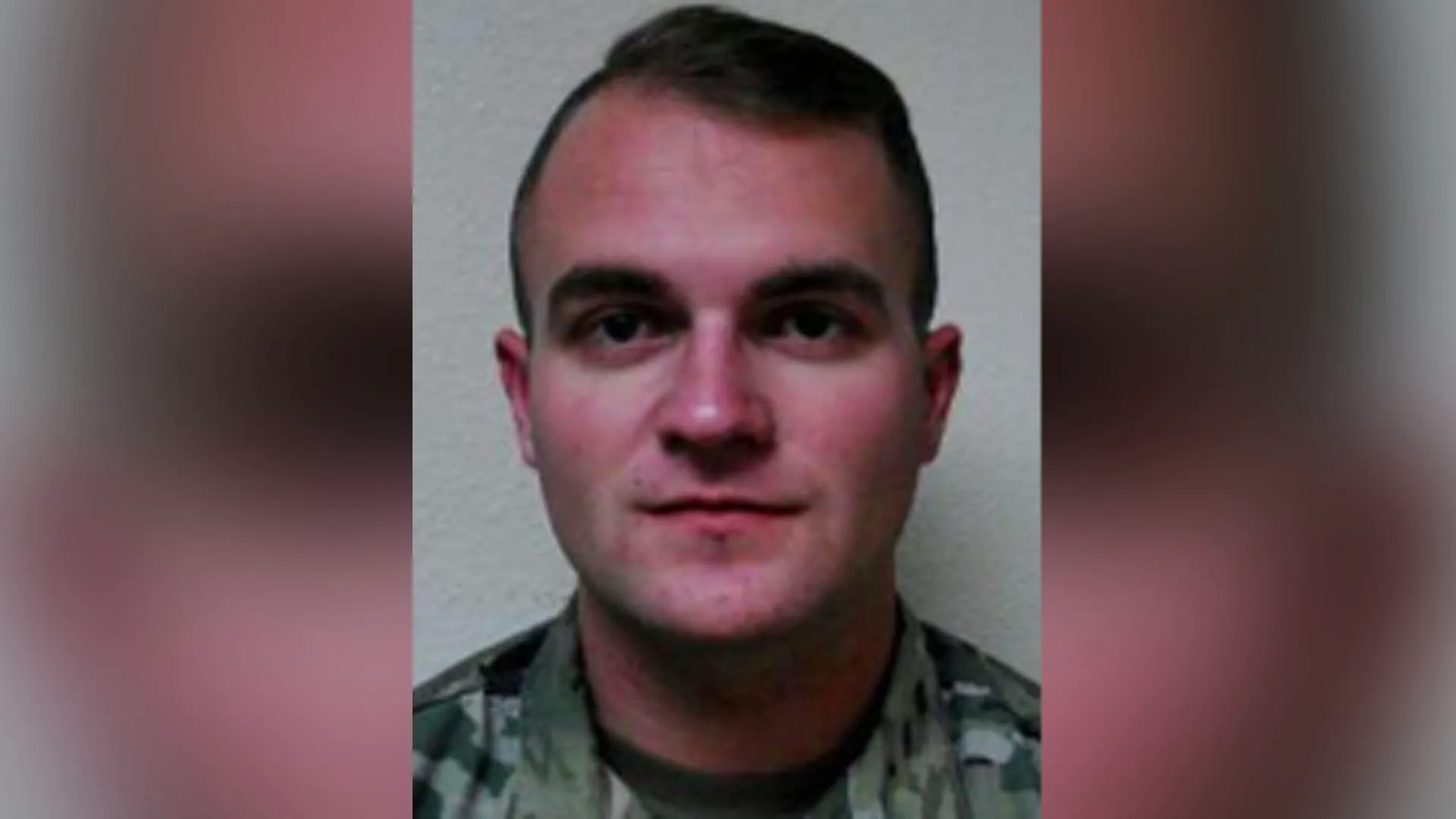
The arrest of a young American soldier on charges of espionage has sent shockwaves through military and intelligence communities. Taylor Adam Lee, a 22-year-old active-duty U.S. Army soldier stationed at Fort Bliss, Texas, now stands accused of attempting to transmit classified military information to the Russian government.
The case, laden with allegations of betrayal, national security breaches, and international intrigue, has raised urgent questions about internal threats, the protection of classified data, and the evolving nature of espionage in the 21st century.
A Soldier’s Descent into Espionage
Taylor Adam Lee’s case first came to light in early August 2025 when the U.S. Department of Justice announced his arrest in El Paso, Texas. According to federal authorities, Lee, who held a Top Secret / Sensitive Compartmented Information (TS/SCI) clearance, was apprehended for attempting to pass on sensitive defense-related information to the Russian Ministry of Defence.
The information in question was not just general knowledge—it involved highly technical data regarding one of America’s most formidable ground warfare assets, the M1A2 Abrams main battle tank. Court documents reveal that Lee’s intentions may have been developing for some time. His espionage activities allegedly began in May 2025 when he first attempted to contact Russian officials directly.
Prosecutors say Lee was seeking to authenticate his military credentials in order to prove his reliability as an informant to Russia. In these early communications, he reportedly expressed interest in defecting to Russia and even acquiring citizenship, a move that would further complicate his case from both a legal and political standpoint.
Lee allegedly began leaking export-controlled technical information in June, posting some of it online and claiming he could provide further help. The data included schematics and operational details related to the M1A2 Abrams—some of which were explicitly labeled as Controlled Unclassified Information (CUI), while others bore clear dissemination warnings.
Read : Russia Testing Drone That Can Carry Armed Soldier for Surprise Attacks: Watch Video
According to Assistant Attorney General John A. Eisenberg, the information Lee attempted to leak was critical to U.S. tank operations and could have had serious consequences if it had reached hostile hands.
The Meeting and the Delivery
Perhaps the most dramatic element of the case occurred in July 2025, when Lee believed he was meeting directly with a representative of the Russian government. Unbeknownst to him, he was actually communicating with an undercover agent. During this meeting, prosecutors say, Lee handed over an SD card containing classified information and went on to explain the files verbally. This card reportedly held vehicle schematics, battlefield notes, and sensitive maintenance details—all pertaining to the Abrams tank.
Further intensifying the case, authorities say that Lee later delivered what he believed to be actual physical hardware from the Abrams tank. He placed this hardware into a storage unit in El Paso and followed it with a chilling message: “Mission accomplished.” This act not only demonstrated his willingness to follow through on the espionage but also illustrated a level of commitment that prosecutors are treating with the utmost seriousness.
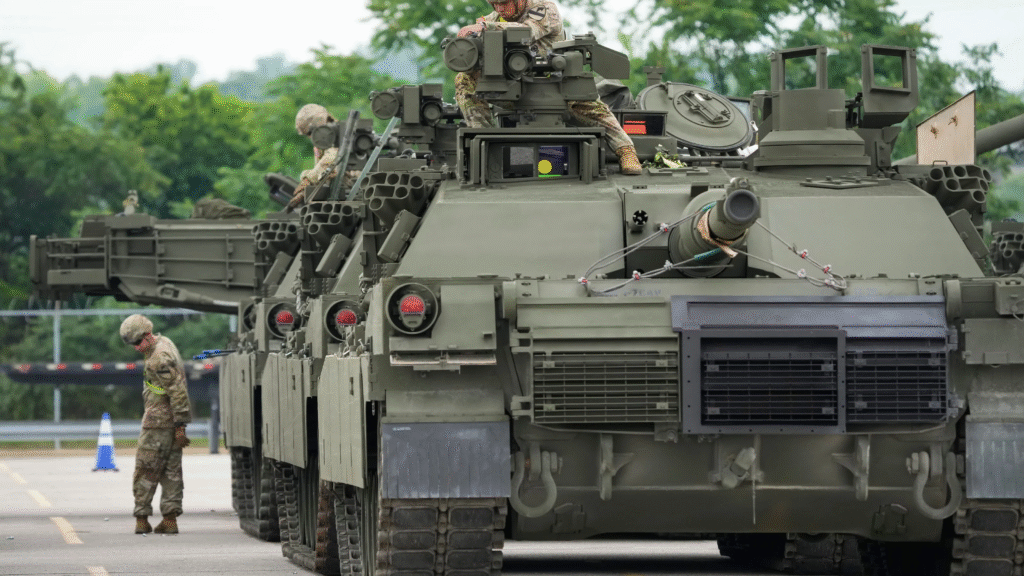
The Department of Justice has emphasized that the items Lee handed over had dissemination restrictions, and many were marked in a way that clearly identified them as classified. These markings serve a legal purpose—anyone with clearance is trained to recognize and protect such information. That Lee chose to ignore these safeguards is now a central point in the prosecution’s case.
The gravity of Lee’s actions cannot be overstated. Sharing defense-related information, especially with an adversarial nation such as Russia, not only undermines U.S. military superiority but also puts lives at risk. Prosecutors allege that his actions were calculated and deliberate, driven by a desire for recognition, reward, or allegiance to a foreign power.
National Security, Insider Threats, and Legal Ramifications
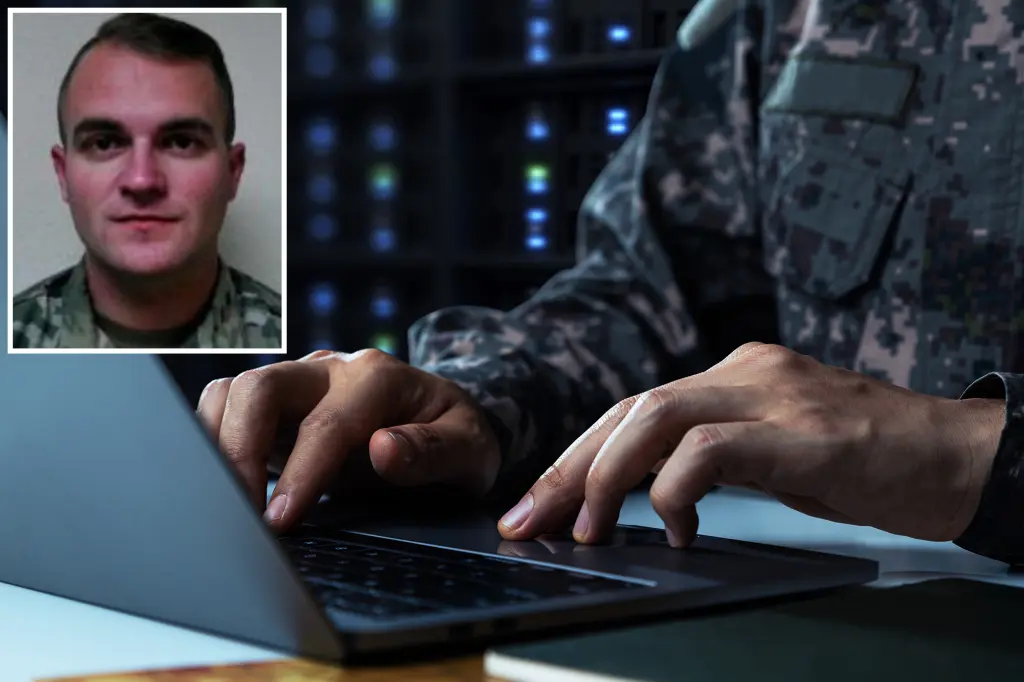
The arrest of Taylor Adam Lee highlights a recurring nightmare for national security officials: insider threats. While cybersecurity breaches and foreign hacking campaigns often dominate headlines, it is the insider—trusted individuals with authorized access—who can do the most damage. As this case illustrates, one disloyal individual can compromise critical defense secrets, even without high-level espionage training.
FBI Assistant Director for Counterintelligence Roman Rozhavsky expressed concern that Lee appeared to be motivated by personal gain and the prospect of Russian citizenship. This blend of ideological defection and self-interest is not new but has become more dangerous in a digital age where sensitive data can be stored on something as small as an SD card. Rozhavsky reiterated the agency’s commitment to detecting insider threats before they can cause irreversible damage.
Brigadier General Sean F. Stinchon, head of the U.S. Army Counterintelligence Command, made it clear that the Army is taking this breach seriously. “Soldiers who violate their oath will be found and held accountable,” he stated. The military’s internal investigation arm is working in coordination with the FBI to compile a full timeline of Lee’s actions, associations, and motivations.
Legally, Lee faces some of the most serious charges under federal law. He has been charged under the Espionage Act and the Arms Export Control Act—two powerful statutes that deal with the unauthorized dissemination of classified defense information and the illegal transfer of military-related data. If convicted, Lee could face life in prison or even more severe penalties, given the national security implications.
Assistant U.S. Attorneys Nathan Brown and Mallory Rasmussen, along with trial attorney Menno Goedman from the DOJ’s National Security Division, are prosecuting the case. They have petitioned the court to deny Lee any form of bond, arguing that he is a flight risk and represents an ongoing threat. While the formal complaint remains sealed and a court date is yet to be announced, the case is progressing quickly, and federal prosecutors appear determined to make an example of it.
As the case develops, legal experts are closely watching how the court handles the sensitive nature of the material involved. Evidence will likely be presented in closed sessions, and parts of the trial may be redacted or restricted from the public. National security trials involving classified material often present a unique challenge: balancing transparency with the need to protect state secrets.
The case of Taylor Adam Lee is a sobering reminder that the greatest threats to national security are not always external. In an era of advanced cyber defense and global intelligence networks, a single individual with the right clearance and the wrong intentions can cause immense harm. Lee’s arrest underscores the need for robust counterintelligence operations, better vetting procedures, and a renewed focus on insider threats.
While the full extent of the damage may never be publicly known, federal officials appear united in their condemnation of Lee’s actions. The case serves not only as a warning to others who might consider similar betrayals but also as a call to action for military and intelligence agencies to strengthen their safeguards.
In the coming months, as the legal process unfolds, the story of Taylor Adam Lee will continue to be scrutinized by lawmakers, military leaders, and the public alike. What drove a young soldier to allegedly turn against his country? How can such acts be prevented in the future? And what does this mean for America’s broader defense posture? These are the questions that now dominate the conversation.
Cappadocia sunrise balloon flight James K. ★★☆☆☆ Overcharged for photo package (€50 for 3 digital pics). Negotiate prices beforehand. https://www.budgettoursturkey.com/12-days-eastern-anatolia-tour.html