
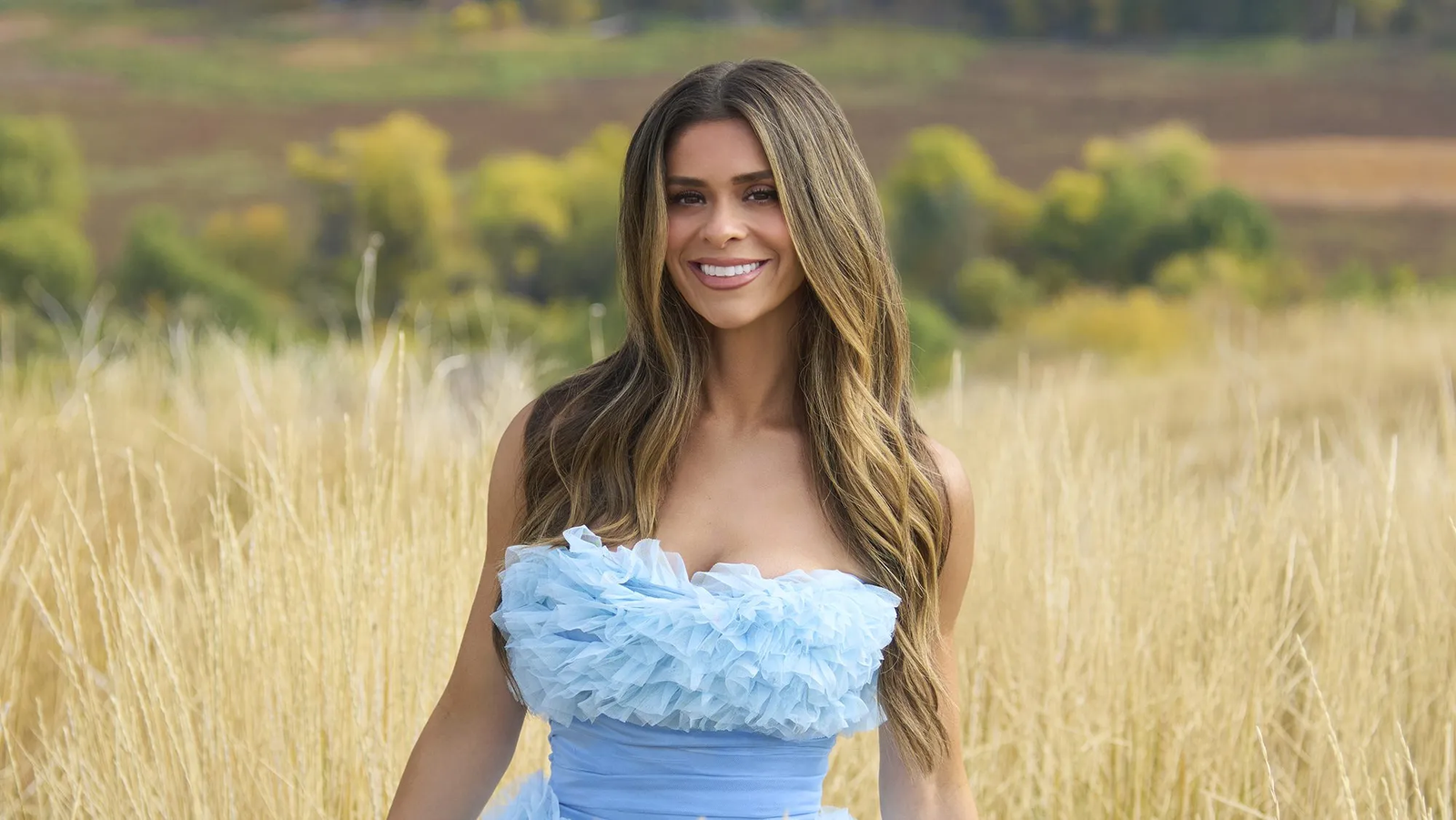
The sudden cancellation of a fully filmed season of a major reality television franchise is an unusual and striking decision, especially when it involves a figure as widely recognized and controversial as Taylor Frankie Paul. Once positioned to lead a new chapter of a long-running dating show, Paul instead became the center of a complex and deeply personal controversy that shifted public attention away from entertainment and toward serious allegations, legal history, and the responsibilities of media platforms. The decision by ABC and its parent company Disney to shelve the season entirely reflects not only the gravity of the situation but also the broader challenges that arise when real-life conflicts intersect with highly visible entertainment formats.
Taylor Frankie Paul’s rise to prominence was rooted not in traditional television but in social media, where she became a defining personality within a niche yet rapidly growing online community. Over time, her personal life, relationships, and controversies became intertwined with her public persona, ultimately shaping both her opportunities and the challenges that followed. Understanding why her season of The Bachelorette was canceled requires a closer look at her background, the events leading up to the decision, and the broader implications for reality television.
The Rise of Taylor Frankie Paul and the “MomTok” Phenomenon
Taylor Frankie Paul first gained widespread attention as a social media influencer, particularly on TikTok, where she became associated with a group of Utah-based Mormon mothers known informally as “MomTok.” This collective created content that blended lifestyle, humor, parenting, and glimpses into their personal lives, offering audiences a portrayal of modern motherhood that contrasted with more traditional expectations often associated with their religious background. Their videos frequently showcased dance trends, beauty routines, and candid discussions, helping them build a large and engaged following.
Paul positioned herself as a central figure within this group, often described as its creator or leading personality. Her openness about her life contributed significantly to her popularity, but it also made her a focal point when controversies emerged. One of the earliest major incidents that brought intense scrutiny was the so-called “soft swinging” scandal in 2022. During a livestream, Paul revealed that she and her then-husband had participated in a consensual arrangement involving other couples, describing it as a form of interaction that stopped short of full intimacy. She later admitted to breaking the agreed boundaries of that arrangement, which contributed to the breakdown of her marriage.
The revelation had far-reaching consequences. Not only did it lead to her divorce from her husband, Tate Paul, but it also created tension within the MomTok community, as her comments suggested that others in the group had been involved. The fallout fractured relationships and reshaped public perception of the group, turning what had once been a relatively lighthearted online presence into a subject of widespread debate and criticism.
Read : First Time in History: Samsung Employees Strike Over Wage Payment
Despite the controversy, Paul’s visibility continued to grow. Her life became the basis for a reality television series that followed her and other members of the MomTok circle, focusing on their personal relationships, faith, and the pressures of public attention. This transition from social media to television marked a significant shift, elevating her profile and setting the stage for further opportunities, including her eventual casting as the lead of The Bachelorette.
A Turbulent Relationship and Legal Troubles
Central to the events leading up to the cancellation of The Bachelorette season was Paul’s relationship with Dakota Mortensen. The two began dating in 2022, shortly after her divorce, and their relationship quickly became a focal point of public interest. Characterized by frequent breakups and reconciliations, the relationship was marked by instability that was later reflected both in media coverage and in the reality series documenting her life.
In early 2023, an incident occurred that would have lasting consequences. According to police reports, the situation involved allegations of domestic violence, leading to Paul’s arrest on charges that included assault and criminal mischief, as well as committing domestic violence in the presence of a child. Court records later indicated that she pleaded guilty to aggravated assault and was sentenced to probation.
The incident remained part of the public record, and Paul addressed aspects of it in later interviews, acknowledging that her children were present but maintaining that she did not intentionally harm them. While the legal process moved forward, the broader public impact of the event continued to evolve, especially as her career in television expanded.
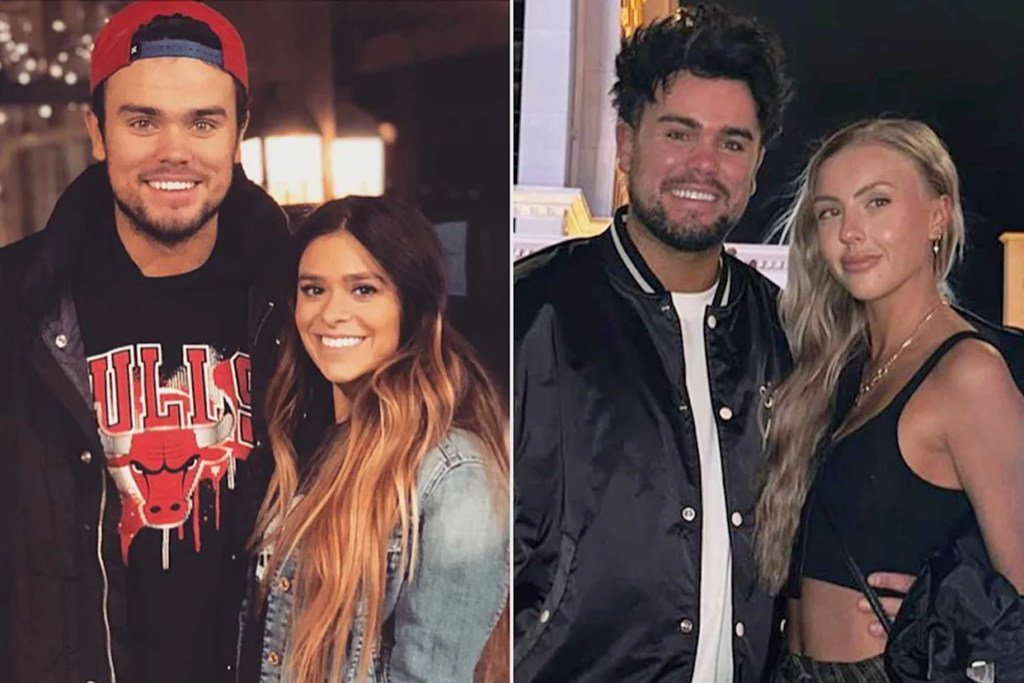
Complicating matters further, reports emerged of additional allegations involving both Paul and Mortensen in early 2026. Authorities confirmed that they had responded to calls involving the two, though details remained limited due to an ongoing investigation. The existence of allegations on both sides underscored the complexity of their relationship and added another layer of uncertainty to Paul’s public image.
The situation escalated significantly when a video surfaced, reportedly filmed during the 2023 incident. The footage, published by a media outlet, appeared to show a physical altercation between Paul and Mortensen, with disturbing elements including the presence of a child in the background. Although the authenticity of the video was not independently verified by all outlets, its content aligned with earlier police descriptions of the incident, bringing renewed attention to a case that had already been legally addressed.
Responses from both parties reflected sharply differing perspectives. Paul’s representatives described the release of the video as part of a harmful campaign against her, while Mortensen denied claims made about his role in the situation and emphasized his focus on their child’s well-being. The conflicting narratives contributed to a highly charged public discourse.
Why The Bachelorette Season Was Canceled
The decision to cancel the season of The Bachelorette featuring Taylor Frankie Paul came shortly after the video’s release. Despite the fact that filming had already been completed and the premiere date was imminent, ABC and Disney chose to halt the broadcast entirely. In their official statement, the network emphasized that the decision was made in light of the newly surfaced video and indicated that their priority was supporting the family involved.
Read : Who Was He Jiaolong, Government Official and Influencer Who Died After Falling from Her Horse?
This move highlights the increasing sensitivity of networks to issues involving personal conduct, particularly when they intersect with serious allegations such as domestic violence. Reality television, by its nature, often blurs the line between entertainment and real life, but situations involving potential harm—especially when children are involved—present ethical considerations that extend beyond ratings and audience engagement.
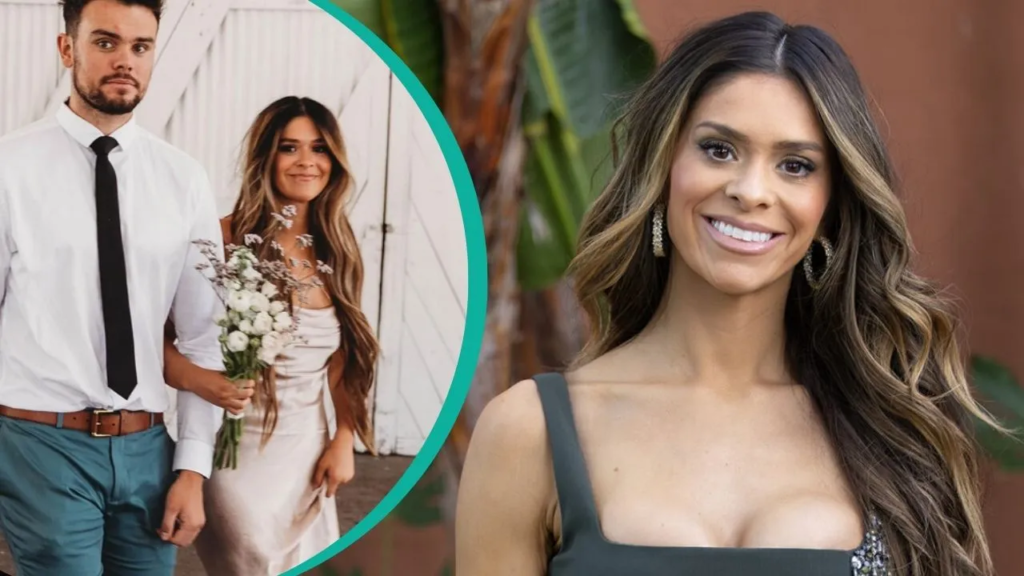
Paul’s selection as the lead of The Bachelorette had already been seen as unconventional. Traditionally, the role is given to a contestant who previously appeared on The Bachelor, making her casting a departure from established norms. The choice was widely interpreted as an effort to reinvigorate the franchise by bringing in a figure with an existing fan base and significant social media influence. However, her complex personal history also meant that the decision carried inherent risks.
The cancellation leaves several questions unanswered. It remains unclear whether the filmed season will ever be released, either in its original form or with modifications. Additionally, the impact on Paul’s broader career, as well as on the reality series documenting her life, is uncertain. Reports suggest that production on that show has also been affected, with filming pauses linked to ongoing investigations and controversies.
For the network, the situation underscores the challenges of casting individuals whose personal lives are deeply intertwined with their public personas. While such figures can bring authenticity and audience interest, they also introduce unpredictability that can disrupt production and scheduling. In this case, the decision to cancel the season reflects a calculation that the potential risks and sensitivities outweighed the benefits of proceeding as planned.
The broader implications extend to the reality television industry as a whole. As audiences increasingly demand accountability and transparency, networks may face greater pressure to thoroughly vet participants and respond decisively when issues arise. The case of Taylor Frankie Paul illustrates how quickly circumstances can change and how those changes can ripple across multiple platforms, from social media to streaming services to traditional broadcast television.
Ultimately, the cancellation of her season represents a convergence of personal history, public scrutiny, and corporate decision-making. It marks a significant moment not only in her career but also in the ongoing evolution of reality television, where the boundaries between private life and public entertainment continue to shift in complex and sometimes unpredictable ways.