

In a saga that blends high finance, spiritual guidance, and personal betrayal, Canadian billionaire heiress Taylor Thomson is embroiled in a bitter legal battle with her former best friend, Ashley Richardson, over a staggering $80 million loss in cryptocurrency investments.
The dispute, which has captured headlines for its unusual blend of wealth, psychics, and digital assets, centers on a failed investment in the Persistence (XPRT) token, allegedly spurred by advice from celebrity psychic Michelle Whitedove and confirmed by Thomson’s personal astrologer, Robert Sabella. The fallout has not only cost Thomson a significant portion of her fortune but also shattered a decade-long friendship, leading to lawsuits, countersuits, and a public airing of personal grievances.
The Rise and Fall of a High-Society Friendship
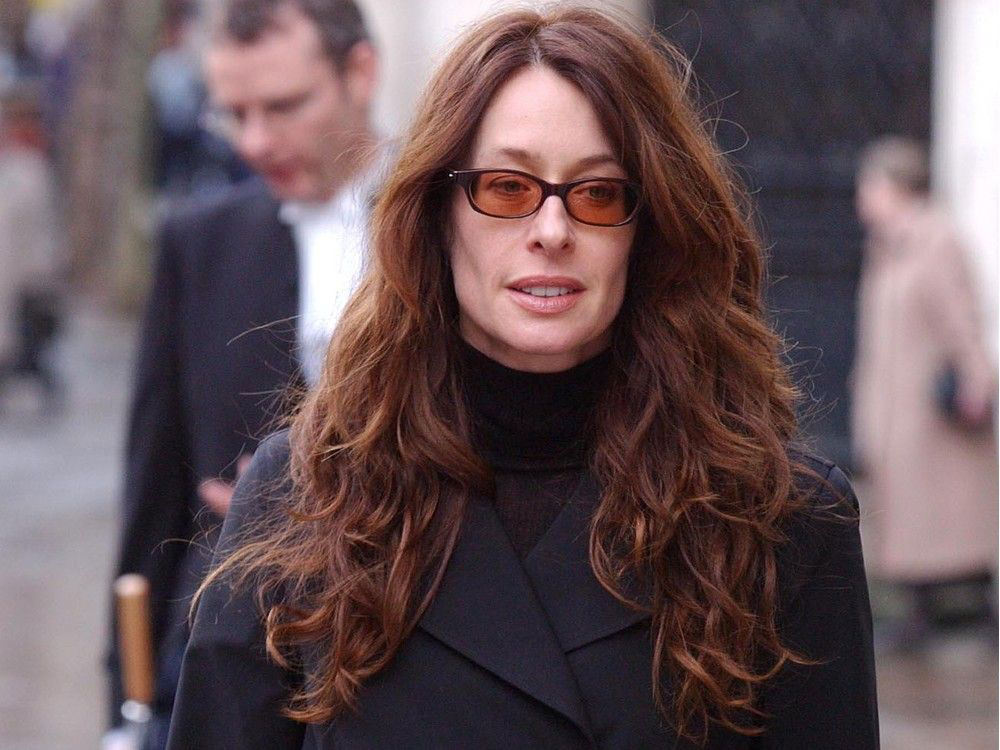
Taylor Thomson, 66, is the middle child of Canada’s billionaire Thomson family, whose $68.6 billion fortune stems from their control of Thomson Reuters, a global media and financial conglomerate founded by her grandfather, Roy Thomson. With an estimated personal net worth of $12.3 billion, Thomson has lived a life of luxury, owning high-value properties in California, including a $48 million Santa Monica compound and a Bel-Air mansion sold for $27 million in 2023.
Her background is eclectic—she pursued acting in Shakespearean theater, trained at Harvard’s Institute for Advanced Theatre Training, and briefly appeared in TV shows like Matrix and Forever Knight. Over time, her focus shifted from acting to investments, including a $1.12 million venture in an English film company that failed to yield success. Ashley Richardson, 47, entered Thomson’s orbit in 2009 at a Malibu pool party hosted by mutual friend and film producer Beau St. Clair, who died in 2016.
Richardson, a California native who grew up in affluent Monterey County and built a career designing social media campaigns for brands like Ford and McDonald’s, was drawn to Taylor Thomson’s charisma and wealth. The two quickly became inseparable, sharing lavish vacations in Sicily, Sunday dinners in Bel-Air, and even forming a “pod” during the pandemic. Their bond was cemented by shared experiences, from tending Thomson’s chickens to attending star-studded events on a 205-foot superyacht.
However, the dynamic was inherently unequal—Thomson’s immense wealth, which allowed her to buy properties on a whim, contrasted with Richardson’s more modest means, creating an undercurrent of tension that would later erupt. The friendship took a pivotal turn in 2021 when Richardson, inspired by a newsletter from celebrity psychic Michelle Whitedove, suggested investing in Persistence (XPRT), a proof-of-stake blockchain token launched that year. Whitedove, who passed away in 2022, had predicted that XPRT would be a “dark horse” in the crypto market.
Read : The Wealthiest Heirs in the World: A Glimpse into Their Fortunes and Origins
Taylor Thomson, intrigued but cautious, consulted her own psychic, Robert Sabella, who gave the investment a high rating. Messages reviewed by The Wall Street Journal show Thomson forwarding Sabella’s endorsement to Richardson, who was already enthusiastic about the token’s early gains, which saw its value rise from $3 to $13 between April and May 2021. This mutual trust, fueled by spiritual guidance, set the stage for a financial disaster.
The Crypto Crash and Alleged Mismanagement
The Persistence investment began with promise. Taylor Thomson poured over $40 million into XPRT, while Richardson invested most of her personal savings, managing a portfolio that peaked at $140 million across multiple wallets. Richardson claims she spent up to 20 hours a day researching and trading, handling Thomson’s funds without a formal contract, relying instead on an oral agreement. The arrangement, however, lacked clear boundaries or oversight, a decision that would prove costly.
By mid-2022, the crypto market crashed, and XPRT’s value plummeted by 98.81%, dropping from a high of $16.59 in May 2021 to $0.03788 by 2025. Thomson’s losses were estimated at over $80 million by Guidepost Solutions, a consulting firm hired to investigate the debacle. Guidepost’s findings form the crux of Thomson’s lawsuit. The firm alleges that Richardson executed over 450,000 trades in the first half of 2022, many without Thomson’s authorization, using high-risk strategies that exposed her to significant losses.

Bradley Dizik, president of Guidepost’s technology practice, emphasized the reckless nature of these trades, which were conducted in thinly traded tokens with low liquidity. Thomson’s legal team further claims that Richardson misled her about XPRT’s potential and failed to disclose a $783,702 “finder’s fee” allegedly arranged with Persistence, accusing her of misrepresentation and breach of trust. Thomson’s lawsuit, filed in 2023, seeks at least $25 million in damages from Richardson and initially included Persistence, though a confidential settlement was reached with the blockchain project.
Richardson vehemently denies the allegations, asserting that all trades were made with Thomson’s consent and were necessary to manage liquidity in volatile markets. She claims there was a “clear oral understanding, reaffirmed often,” about her role and insists she did not personally profit from the arrangement.
Richardson’s financial situation deteriorated dramatically after the crash—she lost her savings, relapsed after nearly two years of sobriety, and now drives for Uber while relying on public assistance. Her countersuit against Taylor Thomson, filed for $10 million, alleges defamation, claiming Thomson falsely accused her of fraud to mutual associates. Richardson, unable to afford legal representation, is using ChatGPT to draft her court documents, adding a modern twist to this already sensational case.
Legal Battle and Broader Implications
The legal feud between Taylor Thomson and Richardson has become a public spectacle, exposing the vulnerabilities of even the wealthiest investors in the unregulated world of cryptocurrency. Thomson’s lawsuit paints Richardson as an opportunistic friend who exploited her wealth, while Richardson portrays herself as a loyal confidante scapegoated for market forces beyond her control. The case has also drawn attention to the unconventional role of psychics in high-stakes financial decisions.
While Thomson’s spokesman insists she used Sabella as a “sounding board” rather than a decision-maker, the reliance on spiritual advice underscores the emotional and psychological factors that influenced their investment choices. The dispute raises broader questions about trust, responsibility, and the dangers of informal financial arrangements. The absence of a formal contract between Thomson and Richardson left both parties vulnerable, with no clear guidelines to govern their roles or expectations.
The crypto market’s volatility, coupled with the lack of regulatory oversight, amplified the risks, turning a promising venture into a catastrophic loss. The case also highlights the personal toll of financial disputes—Richardson alleges Thomson made a romantic advance during a 2019 trip to British Columbia, a claim Thomson’s team denies, adding a layer of personal betrayal to the legal wrangling.
As the lawsuit progresses, both women face significant stakes. For Thomson, the $80 million loss, while substantial, is a fraction of her vast fortune, but the case represents a fight to reclaim trust and financial accountability. For Richardson, the stakes are existential—she has lost her wealth, reputation, and sobriety, and now faces a billionaire’s legal might while representing herself in court. The outcome of the case could set precedents for how courts handle disputes involving oral agreements and cryptocurrency investments, particularly when personal relationships blur the lines of financial responsibility.
The saga of Taylor Thomson and Ashley Richardson serves as a cautionary tale about the perils of mixing friendship, wealth, and speculative investments. What began as a shared dream of crypto riches, spurred by psychic predictions, has devolved into a bitter courtroom drama that underscores the fragility of trust in the high-stakes world of digital assets. As the legal battle unfolds, it will likely continue to captivate observers, offering lessons on the importance of clear boundaries, professional oversight, and skepticism toward unconventional financial advice—whether from psychics or close friends.