

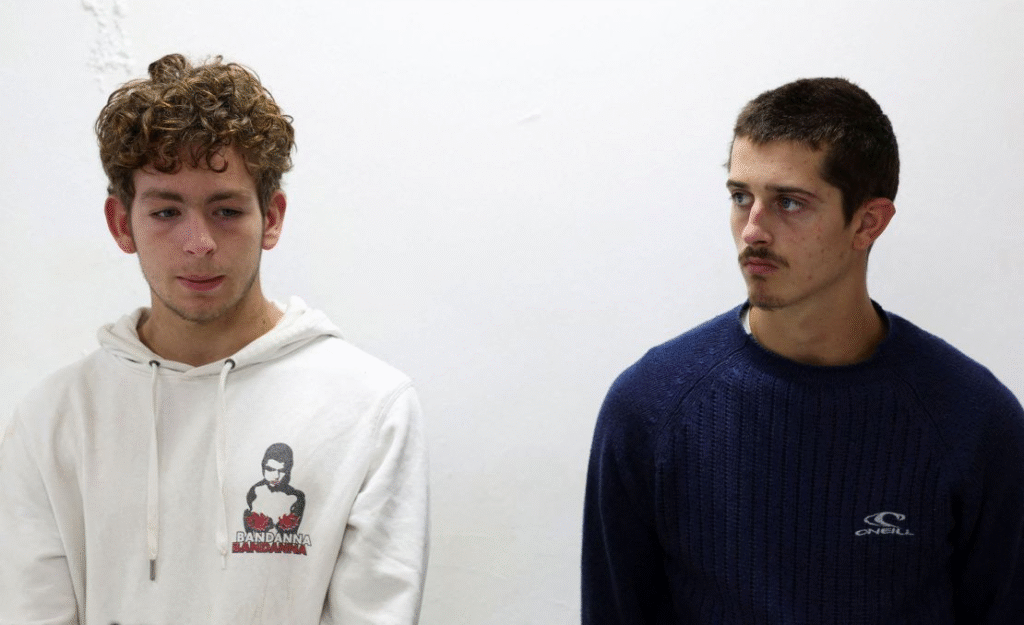
Two Belgian teenagers, Lornoy David and Seppe Lodewijckx, both 19, have been arrested in Kenya Smuggling Ants in Test Tubes, including the prized Messor cephalotes species, out of the country. Caught with thousands of live queen ants concealed in test tubes, the pair pleaded guilty to wildlife trafficking charges in Nairobi.
The Kenya Wildlife Service (KWS) has described the case as a significant blow to “bio-piracy,” exposing a niche but growing global trade in exotic insects and highlighting the ecological risks of such illegal activities.
A Meticulous Smuggling Operation
The teenagers, hailing from the Mol region of Antwerp Province, were detained on April 5, 2025, at a guesthouse in Naivasha, Nakuru County, a biodiversity-rich area near Kenya’s national parks.
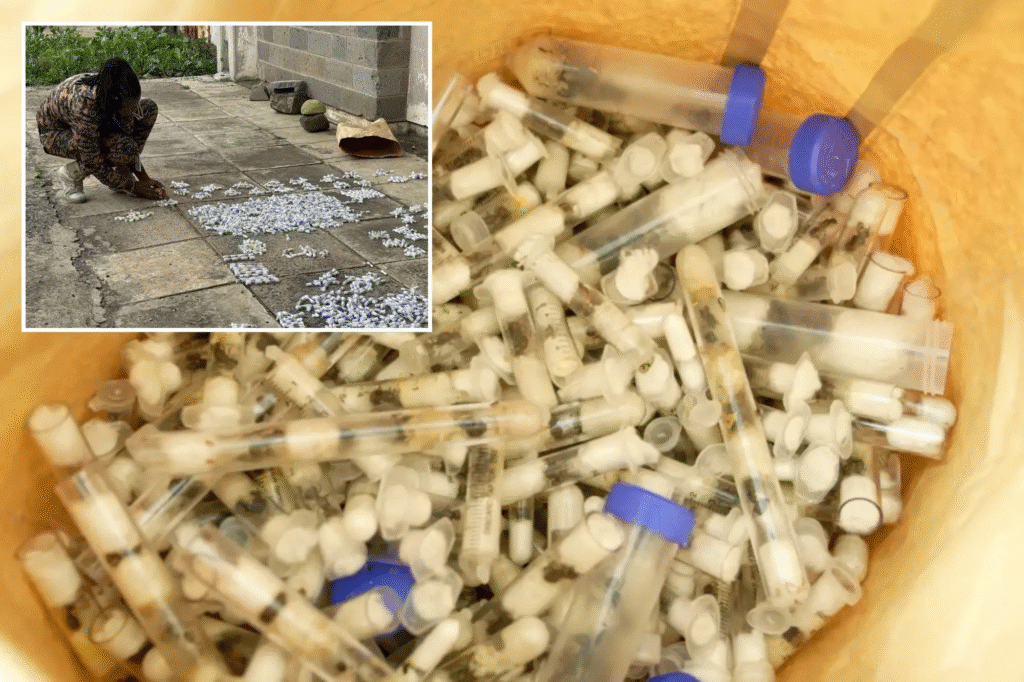
Following an intelligence-led operation, KWS officers discovered 5,000 ants packed in 2,244 test tubes and syringes, designed to sustain the insects for up to two months during transit. The containers, filled with cotton wool, were engineered to evade airport security, including X-ray scanners, revealing a sophisticated plan to smuggle the ants undetected.
The ants, primarily Messor cephalotes—large, red-colored harvester ants native to East Africa—are highly sought after by exotic pet collectors for their complex colony behaviors and pest control abilities.
Valued at 1 million Kenyan shillings ($7,700), the haul could fetch significant sums abroad, with individual queens retailing for up to £99.99 ($132.44) at specialty suppliers like AntsRUs, where the species is often out of stock due to high demand.
Read : Ireland Asked Tower of London to Return Illegally Smuggled Tudor-era cannons
The teens, who entered Kenya on tourist visas, allegedly targeted markets in Europe and Asia, where collectors maintain ants in formicariums to observe their social structures.
Read : Truth Behind Man Smuggling Over 100 Live Snakes in His Pants in China
KWS officials noted the operation’s precision, describing the test tubes as a “calculated attempt to bypass security systems.” The case represents a departure from traditional wildlife crimes involving large mammals, marking Kenya’s first major prosecution of insect trafficking on this scale. The ants were likely sourced from ecosystems like Ngong Forest, underscoring the vulnerability of Kenya’s biodiversity to exploitation by international networks.
Legal Proceedings and Contrition
David and Lodewijckx appeared before Senior Principal Magistrate Njeri Thuku at the Jomo Kenyatta International Airport (JKIA) Law Courts in Nairobi on April 15, 2025. Visibly emotional and supported by relatives, the teens pleaded guilty to charges of illegal possession and trafficking of live wildlife under Section 95(c) of the Wildlife Conservation and Management Act.
In court, they claimed they collected the ants “for fun” and were unaware of the legal ramifications, with David stating, “We did not come here to break any laws. By accident and stupidity we did,” as he pleaded for leniency.
Prosecutors, backed by KWS, argued that the operation’s scale and preparation suggested a profit-driven motive, with the ants intended for sale in lucrative exotic pet markets. The trafficking violated the Nagoya Protocol, an international agreement requiring consent and benefit-sharing for the use of genetic resources.
The court adjourned the case until April 23, 2025, to review pre-sentencing reports from KWS, the National Museums of Kenya, and probation officers. The teens remain in custody at JKIA Police Station, facing potential fines or imprisonment under Kenya’s stringent wildlife protection laws.
The guilty pleas have streamlined the legal process, but the case’s uniqueness—centered on insects rather than iconic species like elephants or rhinos—has raised questions about appropriate penalties. KWS is advocating for a robust sentence to deter future trafficking, emphasizing that the illegal export deprives Kenya of its ecological heritage and economic potential from regulated trade.
Ecological Impact and Global Trade Concerns
The smuggling of Messor cephalotes ants poses significant ecological risks, as highlighted by experts like Philip Muruthi, vice president for conservation at the Africa Wildlife Foundation. Ants are critical to ecosystems, enriching soils, aiding seed dispersal, and serving as prey for birds and other species.
Their removal from habitats like Ngong Forest disrupts food chains and agricultural processes, potentially harming local communities. Muruthi also warned of biosecurity risks, noting that trafficked ants could introduce diseases to destination countries, threatening their agricultural industries.
The case underscores a growing global demand for exotic insects, part of a $25 billion annual wildlife trafficking industry, according to INTERPOL. Collectors prize ants for their behavioral complexity, driving a niche but lucrative market in Europe and Asia.
The KWS reported that the seized ants were destined for these regions, where rare species command high prices. This shift toward trafficking smaller species complicates enforcement, as test tubes are far harder to detect than ivory or pelts, requiring advanced surveillance and international cooperation.
Kenya is responding with calls for enhanced airport security, including improved scanning technologies, and urging global partners to address the demand for exotic pets.
The KWS has emphasized the need for public awareness, noting that many collectors may be unaware of the ecological and legal consequences of purchasing trafficked species. The case also highlights the importance of enforcing international agreements like the Nagoya Protocol to protect countries’ rights over their biodiversity.
The arrest of David and Lodewijckx, while unusual in its details, reflects a broader challenge in safeguarding Kenya’s natural resources. Their guilty pleas and the ongoing legal proceedings signal Kenya’s commitment to tackling emerging wildlife crimes, ensuring that even the smallest species are protected from exploitation.