
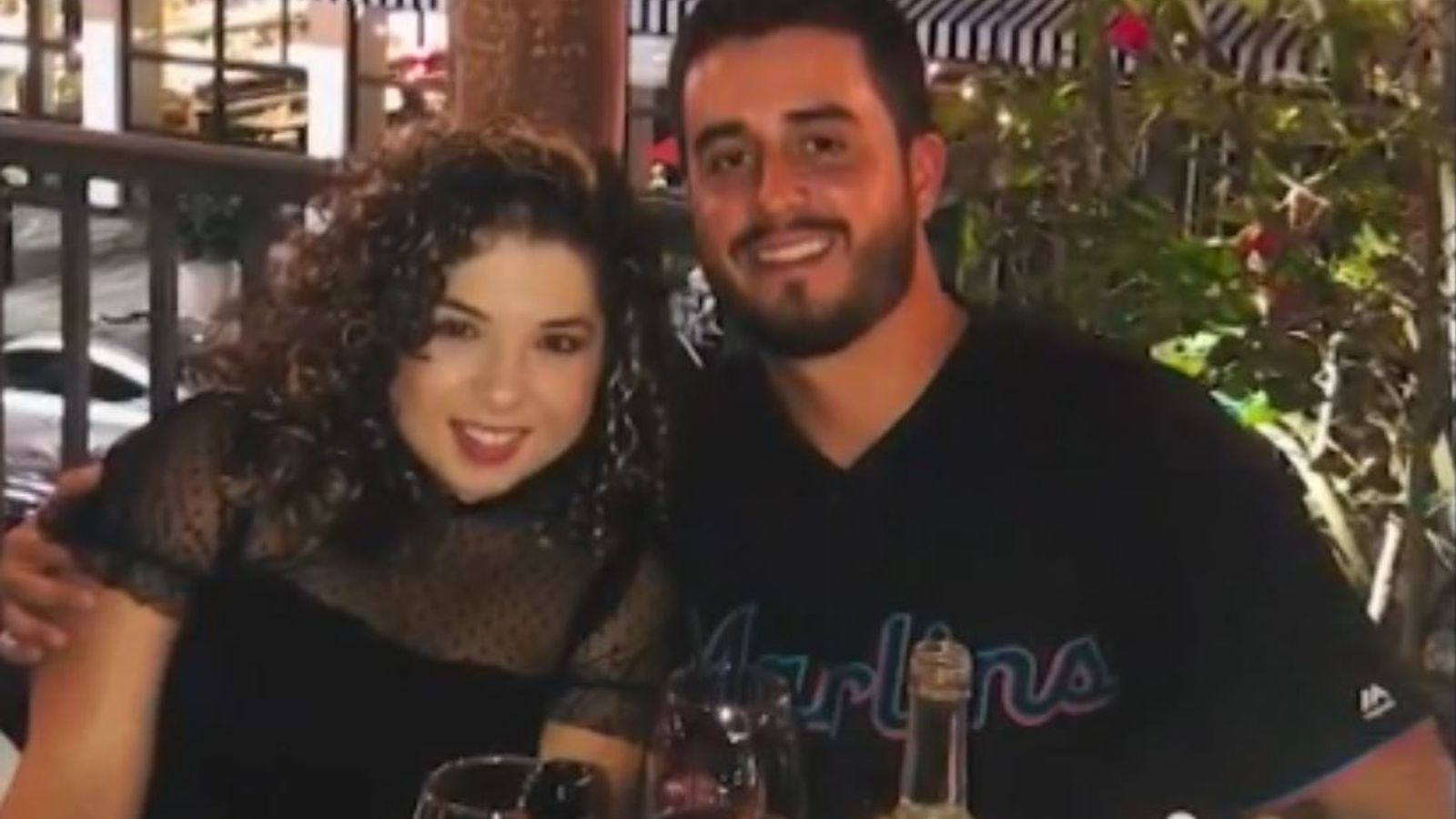
The long-awaited verdict in a high-profile trial involving Tesla’s Autopilot driver-assistance system has sent shockwaves through the automotive industry. A federal jury in Miami has found Tesla partly liable for a fatal 2019 crash that killed 22-year-old Naibel Benavides Leon and severely injured her boyfriend, Dillon Angulo.
The jury awarded the victims’ families a staggering $243 million, marking one of the most significant rulings ever against Tesla and its controversial Autopilot technology. This case not only spotlights the technical flaws in Tesla’s systems but also raises broader questions about corporate accountability and the future of autonomous vehicles.
A Tragic Night in Florida
The events of April 2019 remain etched in the memories of those closely following this case. On a rural road in Key Largo, Florida, a Tesla Model S traveling at 62 miles per hour ran through flashing lights, a stop sign, and a T-intersection before crashing into a parked Chevrolet Tahoe.
The Tahoe had been parked there by a young couple—Naibel Benavides Leon and Dillon Angulo—who had stopped to stargaze. The impact was devastating. Naibel Benavides Leon was thrown 75 feet into nearby woods, where her lifeless body was later discovered. Dillon Angulo suffered severe injuries, including broken bones and a traumatic brain injury, injuries he still bears today.
Read : GOATED! Tesla Model Y Autonomously Drove from Texas Factory and Parked Under Owner’s Building
The driver of the Tesla, George McGee, later admitted to being distracted by his cellphone at the time of the crash. Despite this, the jury found Tesla significantly liable due to what it considered flaws in the company’s Autopilot system. While McGee accepted responsibility for his distraction, his assumption that the vehicle would react appropriately in his absence proved tragically misplaced.
The Trial That Shook Tesla
This case stands out not only for its devastating facts but also for the fact that it went to trial at all. Tesla has a history of settling similar lawsuits out of court, avoiding the transparency and scrutiny that trials bring. But this time, the company faced a full legal battle—one that exposed numerous damning allegations.
During the proceedings, attorneys for the plaintiffs accused Tesla of hiding or misplacing crucial evidence. This included data and video from seconds before the crash—footage that Tesla initially denied existed. A forensic data expert hired by the plaintiffs, however, was able to uncover this data, revealing a clearer picture of the car’s behavior leading up to the collision.
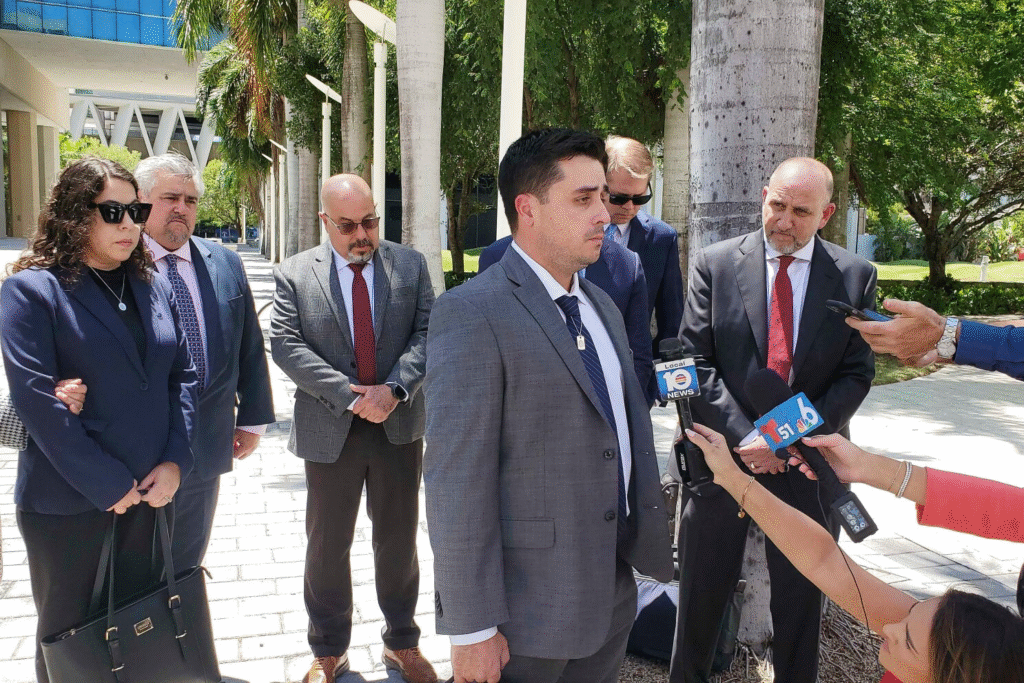
The jury ultimately awarded $43 million of a total $129 million in compensatory damages to be paid by Tesla, along with $200 million in punitive damages. Though Tesla intends to appeal and argues that a pre-trial agreement caps its punitive damages at three times the compensatory amount—potentially reducing the payout to $172 million—the plaintiffs maintain that Tesla must pay the full jury-decided amount.
Plaintiffs’ attorney Brett Schreiber emphasized that Tesla’s marketing and system design were central to the problem. He criticized the company’s use of the term “Autopilot,” suggesting it misleads drivers into a false sense of security. Unlike other automakers who use phrases like “driver assist” or “co-pilot,” Tesla’s branding, according to Schreiber, encourages over-reliance on technology not yet capable of fully autonomous operation.
Implications for Tesla and the Auto Industry
This case could serve as a turning point for how the legal system views responsibility in the age of semi-autonomous driving. Traditionally, human drivers have borne the brunt of liability in vehicle crashes. However, this verdict challenges that norm by holding Tesla accountable despite clear driver negligence.
Tesla’s defense lawyer, Joel Smith, argued that the driver was solely responsible, pointing to warnings that require drivers to keep their hands on the wheel and eyes on the road. He stressed that McGee had previously driven through the same intersection 30 to 40 times without incident, arguing that the crash was due to his distraction in this particular instance. Nevertheless, the jury saw things differently.
A key element of the plaintiffs’ argument was Tesla’s failure to prevent misuse of its technology. They argued that the Autopilot system should have disengaged when McGee became distracted. Moreover, they noted that Tesla allows Autopilot use on roads it was not designed for—like the rural stretch where the crash occurred.
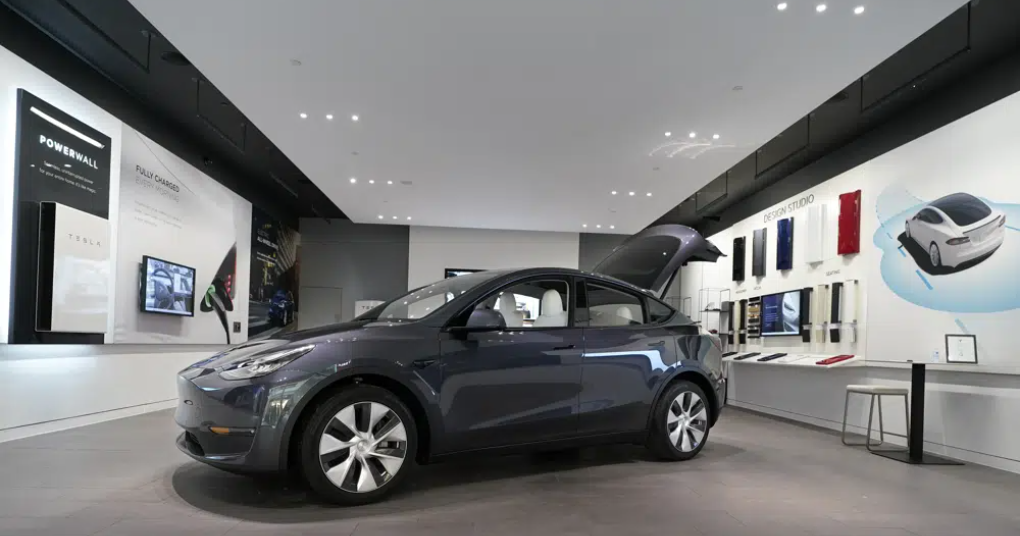
This isn’t the first time Tesla has faced questions about its safety protocols. The company recently recalled over 2 million vehicles to fix issues with its Autopilot monitoring system. Critics argue that Tesla has often been slow to release crash data and has fought hard to shield its technology from external review. In this case, the discovery of hidden data further reinforced suspicions that the company withholds information critical to understanding these crashes.
Safety advocates now worry about what this means for the future of autonomous technology. If companies are not held accountable for how their systems are used—or misused—they might be incentivized to downplay risks. This verdict, however, could change that calculus, sending a clear message to the industry that recklessness in the deployment of semi-autonomous features won’t be tolerated.
Tesla, for its part, has maintained that the decision is “wrong” and that the responsibility lies with the human driver. The company warned that such rulings may hamper development of life-saving technologies, suggesting that the verdict could create barriers to innovation in the sector.
A New Era of Legal Accountability?
Legal experts and industry analysts are calling this verdict a landmark moment. Miguel Custodio, a personal injury attorney uninvolved in the case, called it a watershed. “This will open the floodgates,” he said. “It will embolden a lot of people to come to court.” For years, Tesla has operated in a legal gray area when it comes to accidents involving its Autopilot system. The decision from the Miami jury, however, may signal that era’s end.
The ruling is also likely to have ripple effects beyond Tesla. Automakers developing advanced driver assistance systems (ADAS) may now take extra precautions—both technically and legally. The verdict suggests that even if drivers are negligent, the companies behind the tech must share responsibility if their systems contribute to the harm.
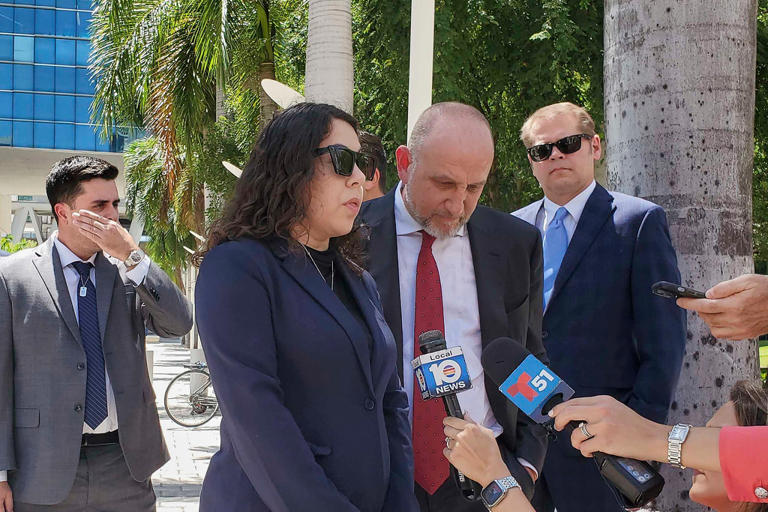
For the families of the victims, the ruling brings a sense of closure after years of legal struggle. Naibel Benavides Leon’s sister, Neima Benavides, said, “We finally learned what happened that night, that the car was actually defective. Justice was achieved.” Dillon Angulo, who still lives with the physical and emotional consequences of that night, appeared in court with a limp and required a cushion to sit. His suffering, like Naibel Benavides Leon’s death, was central to the jury’s decision to issue such a large punitive award.
The broader question now is whether this case marks the beginning of more rigorous scrutiny into Tesla’s self-driving claims and whether other victims of Autopilot-related incidents will now find courts more receptive to their arguments.
As Elon Musk continues to push forward with ambitious plans for robotaxis and fully autonomous fleets, this case stands as a stark reminder that the path to the future must be paved with caution, transparency, and accountability. While technological advancement is inevitable, so too is the need to ensure it does not come at the cost of human lives.
References:
Steroid gone wrong
References:
https://fkwiki.win/wiki/Post:Testosterone_Patches
References:
Casino austria
References:
https://baby-newlife.ru/user/profile/514463
References:
Steroids increase testosterone
References:
https://www.koeln-flink.de/Blog-Aktuelles/index.php/;focus=STRATP_com_cm4all_wdn_Flatpress_41564155&frame=STRATP_com_cm4all_wdn_Flatpress_41564155?x=entry:entry220910-145101;comments:1