
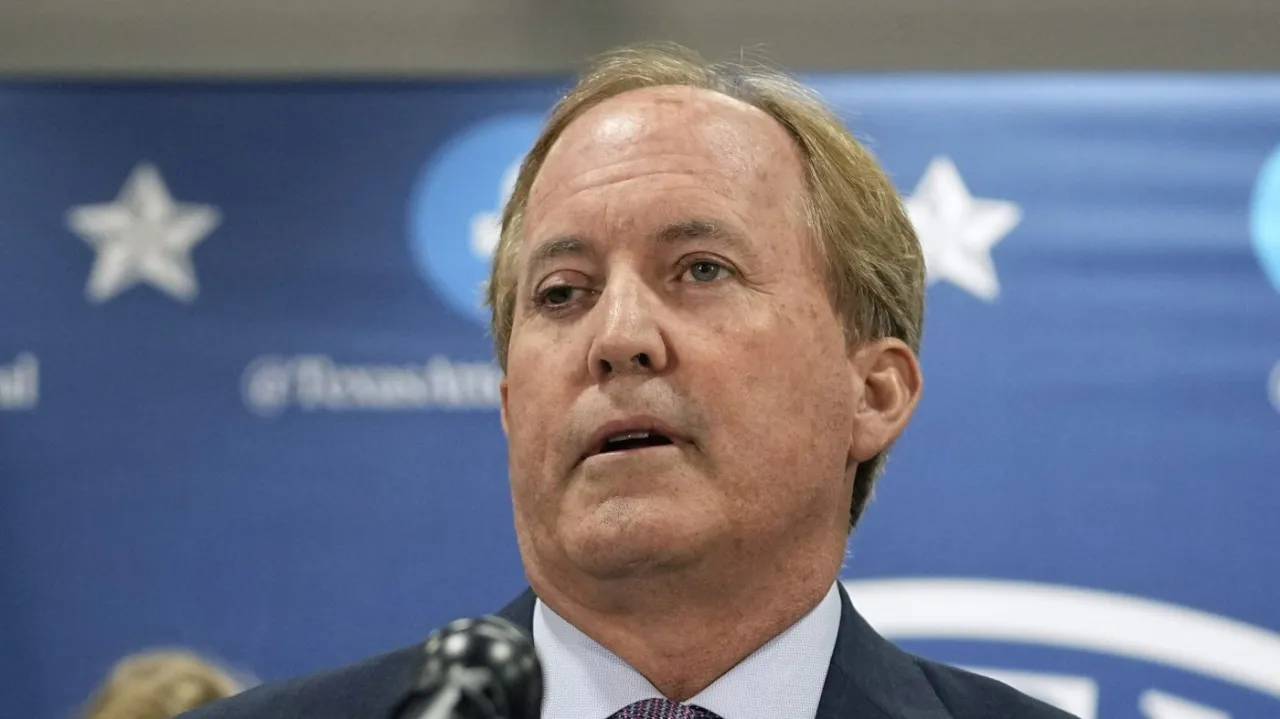
Texas has filed a civil lawsuit against Delaware-based nurse practitioner Debra Lynch, accusing her of illegally mailing abortion pills into the state in violation of its near-total abortion ban. The lawsuit, announced by Republican attorney general Ken Paxton, represents the latest escalation in a growing interstate legal conflict over abortion access in the years following the US supreme court’s decision to overturn Roe v Wade. At the center of the case is Lynch’s organization, Her Safe Harbor, which provides abortion pills by mail to women living in states where abortion is banned or heavily restricted.
The suit seeks to bar Lynch from “performing, inducing or attempting abortions” in Texas, arguing that state law allows abortion care only when provided by physicians and only in cases of medical emergency. Texas law does not recognize nurse practitioners as authorized abortion providers and treats the mailing of abortion pills as equivalent to performing an illegal abortion within the state. While Lynch operates entirely from Delaware, Texas officials contend that the effects of her actions occur within Texas borders and therefore fall under Texas jurisdiction.
The case underscores the increasingly aggressive legal strategies pursued by Republican-led states against abortion providers operating across state lines. It also tests the strength and limits of so-called shield laws enacted by Democratic-led states, which aim to protect clinicians who provide abortion care to patients in restrictive states. As states move in sharply different directions on abortion policy, the Lynch lawsuit highlights how abortion pills and telemedicine have become the central battleground in the post-Roe legal landscape.
The Legal Strategy Behind Texas’s Lawsuit
Texas’s lawsuit against Debra Lynch fits into a broader pattern of enforcement actions targeting providers who use telemedicine and mail-based services to deliver abortion pills. Since implementing its abortion ban, Texas has relied on a combination of civil enforcement, criminal statutes, and regulatory restrictions to deter abortion access. The state’s legal theory rests on the idea that abortion occurs where the patient is located, not where the provider practices, allowing Texas to claim authority over out-of-state clinicians.
In the complaint against Lynch, Texas argues that its laws permit abortion care only when performed by licensed physicians and only under narrow emergency circumstances. By contrast, Lynch is a nurse practitioner, and Her Safe Harbor operates as a telemedicine-based organization that ships medication abortion pills to patients. Texas officials claim that this structure violates multiple provisions of state law, regardless of where Lynch herself resides.
Unlike previous cases brought by Texas and other conservative states, the lawsuit against Lynch does not appear to rely on detailed allegations tied to specific patients or dates. Instead, it draws heavily on public statements and media interviews in which Lynch acknowledged mailing abortion pills to Texans and advising Texas residents seeking abortions. Legal scholars have noted that this approach may make the case more difficult to sustain, as courts often require clear evidence of specific alleged violations.
Mary Ziegler, a professor at the University of California, Davis School of Law who specializes in abortion law, has pointed out that the absence of concrete timelines could complicate Texas’s claims. Shield laws and other protections often hinge on when an action took place and which state laws were in effect at that time. Without precise dates, Texas may struggle to establish jurisdiction or demonstrate that Lynch’s conduct falls outside Delaware’s legal protections.
Read : The best train journeys in the world to explore the beauty of nature
Still, the lawsuit serves an important political and symbolic function for Texas officials. By targeting a provider who openly defied a cease-and-desist letter, the attorney general’s office signals its intent to pursue aggressive enforcement even when legal outcomes are uncertain. The case also builds on earlier actions against New York-based physician Margaret Carpenter and others accused of mailing abortion pills into Texas and Louisiana, reinforcing a strategy designed to deter providers nationwide through the threat of litigation.
Shield Laws and the Interstate Abortion Conflict
The lawsuit against Lynch cannot be understood without examining the role of shield laws, which have become a cornerstone of abortion access strategies in Democratic-led states. Since Roe v Wade was overturned, states such as New York, California, and Delaware have enacted laws designed to protect abortion providers from out-of-state investigations, subpoenas, and prosecutions. These laws typically prohibit state officials from cooperating with legal actions initiated by states that ban abortion.
Eight states have enacted shield laws that explicitly allow providers to prescribe abortion pills via telemedicine to patients located in states where abortion is illegal. These laws are intended to create a legal firewall, allowing providers to rely on the protections of their home state while serving patients elsewhere. In practice, however, shield laws vary significantly in scope and clarity, leaving providers exposed to differing levels of legal risk.
Delaware’s shield law was first passed in 2022, but legal experts have questioned whether its original language fully protected providers who prescribe abortion pills across state lines. Unlike some other states, Delaware’s early statute did not clearly spell out telemedicine protections in all scenarios, creating uncertainty for groups like Her Safe Harbor. This ambiguity may be one reason Texas chose to target Lynch rather than providers operating in states with more robust shield laws.
In late 2025, Delaware expanded its shield law, clarifying that state officials may not assist out-of-state investigations or enforcement actions against abortion providers. The expansion may strengthen Lynch’s legal position, but its effectiveness could depend on when the alleged conduct occurred. If Texas can argue that Lynch mailed pills before the law’s expansion took effect, it may attempt to bypass Delaware’s protections.
The clash over shield laws reflects a deeper constitutional dispute about federalism and state authority. Anti-abortion states argue that shield laws unlawfully interfere with their ability to enforce their own laws and protect fetal life. States that support abortion rights counter that they have the authority to regulate medical practice within their borders and to refuse cooperation with laws they view as unjust or unconstitutional.
So far, officials in New York and California have refused to comply with extradition requests and legal actions targeting abortion providers. Louisiana’s indictment of providers based in those states has stalled due to non-cooperation, highlighting the practical limits of enforcement when states decline to work together. Texas’s civil lawsuit against Lynch may face similar obstacles, especially if Delaware declines to assist.
Debra Lynch, Her Safe Harbor, and the Broader Implications
Debra Lynch has emerged as a prominent figure in the post-Roe abortion access movement, not because of her professional stature alone, but because of her willingness to speak openly about defying abortion bans. Through Her Safe Harbor, she has framed her work as a response to what she views as unjust and harmful restrictions on women’s healthcare. After receiving a cease-and-desist letter from Texas in August, Lynch publicly stated that she had no intention of stopping her work.
Read : Who Is Erik Martindale, Florida Nurse Facing Backlash for Refusing Anesthesia to MAGA Supporters?
According to Lynch, the backlash from Texas only increased demand for Her Safe Harbor’s services. In the hours after news of the cease-and-desist letter became public, the organization reportedly received more than 150 requests for abortion pills from Texas residents. This surge underscores the persistent demand for abortion access in states with strict bans and the role that mail-based medication abortion has come to play in meeting that demand.
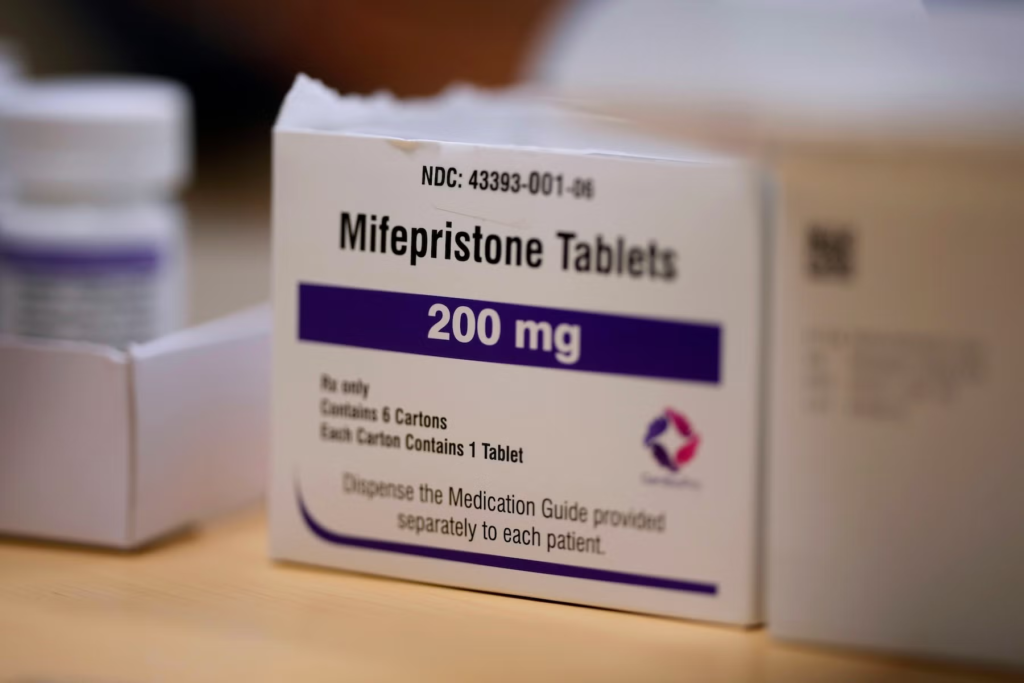
Lynch has repeatedly emphasized that her motivation is rooted in patient care rather than personal risk calculation. She has argued that the legal threats faced by providers pale in comparison to the dangers and hardships experienced by women forced to carry unwanted or medically risky pregnancies to term. Her public statements suggest a deliberate strategy of civil resistance, challenging the enforceability of abortion bans by continuing to provide care across state lines.
The outcome of Texas’s lawsuit could have significant implications beyond Lynch herself. A favorable ruling for Texas could embolden other states to pursue similar actions against nurse practitioners, physicians, and organizations involved in telemedicine abortion services. Even unsuccessful lawsuits may have a chilling effect, increasing legal costs and uncertainty for providers and potentially reducing access for patients.
At the same time, a dismissal or defeat for Texas could strengthen the hand of abortion-rights states and providers, reinforcing the legitimacy of shield laws and telemedicine-based care. Such an outcome might encourage further expansion of shield laws and greater investment in cross-border abortion services, deepening the divide between states that protect abortion rights and those that ban the procedure.
The case also raises broader questions about the future of healthcare regulation in a fragmented legal environment. As states increasingly assert authority beyond their borders, courts may be forced to confront unresolved constitutional issues about jurisdiction, interstate commerce, and the limits of state power. Abortion, already one of the most polarizing issues in American politics, continues to drive legal innovation and conflict in ways that could reshape the balance between state and federal authority for years to come.
Texas’s lawsuit against Debra Lynch is therefore more than a dispute over one provider’s actions. It is a test case in an evolving legal war over abortion pills, telemedicine, and the meaning of state sovereignty in a post-Roe United States.
**aqua sculpt**
aquasculpt is a premium metabolism-support supplement thoughtfully developed to help promote efficient fat utilization and steadier daily energy.
**herpafend reviews**
Herpafend is a natural wellness formula developed for individuals experiencing symptoms related to the herpes simplex virus. It is designed to help reduce the intensity and frequency of flare-ups while supporting the bodys immune defenses.
**mounja boost official**
MounjaBoost is a next-generation, plant-based supplement created to support metabolic activity, encourage natural fat utilization, and elevate daily energywithout extreme dieting or exhausting workout routines.
**prodentim**
ProDentim is a distinctive oral-care formula that pairs targeted probiotics with plant-based ingredients to encourage strong teeth, comfortable gums, and reliably fresh breath
**men balance pro**
MEN Balance Pro is a high-quality dietary supplement developed with research-informed support to help men maintain healthy prostate function.
**prostafense reviews**
ProstAfense is a premium, doctor-crafted supplement formulated to maintain optimal prostate function, enhance urinary performance, and support overall male wellness.
**neurosharp official**
Neuro Sharp is an advanced cognitive support formula designed to help you stay mentally sharp, focused, and confident throughout your day.
**boostaro**
Boostaro is a purpose-built wellness formula created for men who want to strengthen vitality, confidence, and everyday performance.