
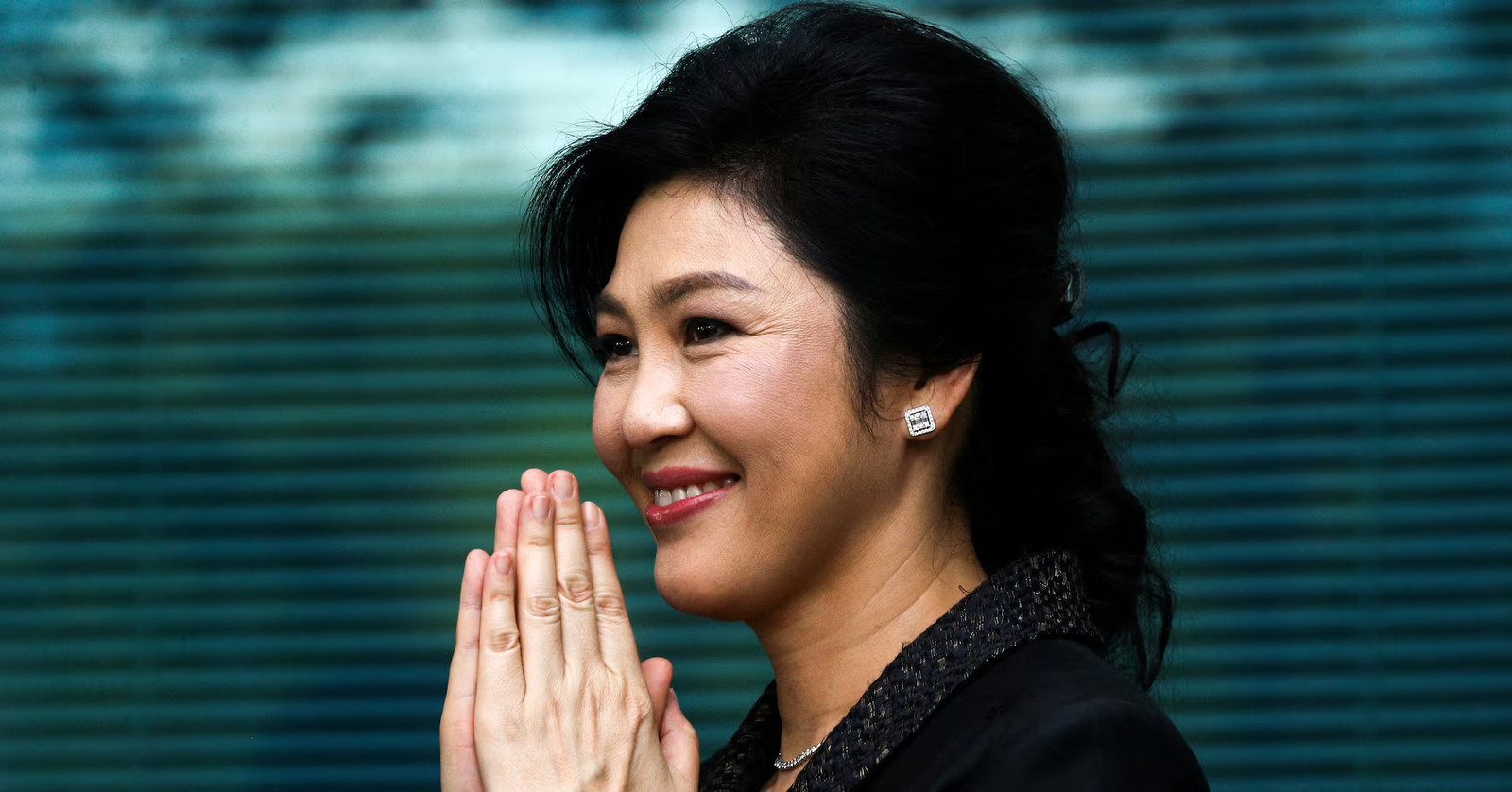
The recent ruling by Thailand’s Supreme Administrative Court against former Prime Minister Yingluck Shinawatra has once again thrust the country’s politically charged atmosphere into the spotlight.
The court ordered Yingluck to pay 10 billion baht (approximately $305 million) in damages related to a controversial rice pledging scheme, a flagship policy of her administration that ultimately caused massive financial losses to the Thai government.
This verdict is not just a legal decision; it echoes the enduring tensions in Thai politics and highlights the complex legacy of the Shinawatra family in the country’s governance.
The Rice Pledging Scheme: Policy Ambition or Political Misstep?
The rice pledging scheme was introduced by Yingluck Shinawatra’s government after she took office in 2011. The policy aimed to boost the incomes of Thailand’s rice farmers, a significant voting bloc and backbone of the country’s rural economy.
The government promised to buy rice from farmers at prices up to 50% above the market rate, an attempt to elevate farmers’ living standards and consolidate political support, particularly for Yingluck’s populist Pheu Thai party.
However, the scheme quickly ran into serious problems. Thailand is the world’s second-largest rice exporter, and while the government was buying rice at inflated prices, a significant amount of rice remained unsold in government warehouses.
This stockpile led to enormous losses for the state and damaged Thailand’s credibility in global rice markets. The program reportedly cost the government billions of dollars and ultimately resulted in widespread allegations of corruption and mismanagement.
Critics of the scheme argued that the policy was poorly conceived and implemented, with inadequate safeguards to prevent waste and fraud. The government’s attempt to control rice prices distorted the market, leading to inefficiencies that the state could not sustain financially. Furthermore, the program’s financial burden exacerbated tensions between Yingluck’s administration and Thailand’s conservative establishment, which viewed the policy as reckless populism.
Read : The Ancient Art of Thai Massage: Healing the Body, Mind, and Soul
The controversy surrounding the scheme culminated in Yingluck’s conviction in 2017, when she was sentenced to five years in prison for negligence. Yet, Yingluck has remained abroad, effectively evading jail time by living in self-exile.
Political Reverberations and the Shinawatra Legacy
The court’s recent ruling ordering Yingluck to pay 10 billion baht in damages follows an earlier order demanding 35 billion baht compensation to the finance ministry. The Supreme Administrative Court ruled that the initial amount was excessive and beyond Yingluck’s legal responsibility threshold, adjusting the figure accordingly.
Despite this reduction, the verdict underscores the heavy toll the rice scheme took on Thailand’s finances and the symbolic weight of holding Yingluck accountable.
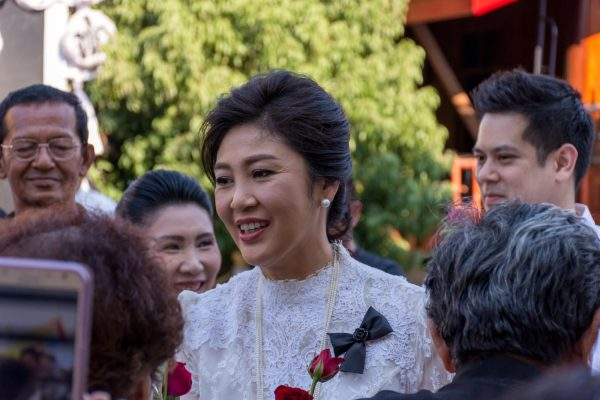
Yingluck is part of the powerful Shinawatra family, which has dominated Thai politics for more than two decades. She is the younger sister of former Prime Minister Thaksin Shinawatra, a controversial figure who also lived in self-exile to avoid imprisonment amid corruption allegations.
Yingluck’s rise to power in 2011 marked a continuation of the family’s political influence through the populist Pheu Thai party. Her tenure, however, was marked by intense political conflict between the Shinawatras’ supporters—largely rural and working-class voters—and the country’s urban elite, military, and royalist factions.
Yingluck resigned in 2014, just days before the military coup that ousted her government. Her family’s political fortunes have since fluctuated, with the Pheu Thai party returning to power less than two years ago, coinciding with Thaksin’s own return to Thailand after 15 years of exile.
The Broader Impact and Yingluck’s Response
The court’s ruling comes amid ongoing political struggles and serves as a reminder of the unresolved tensions in Thai politics. The Shinawatras have long claimed that the charges against them are politically motivated, part of a broader campaign by Thailand’s conservative establishment to undermine their influence. They deny any wrongdoing and argue that the rice pledging scheme was a legitimate policy to support farmers and reduce rural poverty.
Yingluck herself has expressed that the court’s order to pay 10 billion baht is excessive. On social media, she said, “Even if I repaid it my entire life, it would never be enough,” and vowed to continue fighting for justice. Her statement highlights the personal and political stakes involved in this case, which remains a flashpoint in Thailand’s ongoing debate over democracy, justice, and power.
The damage caused by the rice scheme, however, cannot be overlooked. The financial losses were vast, and the policy failure impacted millions of farmers and the country’s economy. The ruling sends a strong message about accountability, even as it fuels further controversy and division.
As Thailand navigates its complex political landscape, the legacy of the rice pledging scheme and the Shinawatra family’s role will continue to shape debates about governance, populism, and the future direction of the country. This chapter is far from over, and the repercussions of this case will likely resonate for years to come.