

The tragic death of Thanakarn Kanthee, a 27-year-old Thai social media influencer, has sparked widespread outrage and condemnation. Known as “Bank Leicester,” Kanthee was hired to drink two bottles of whiskey as part of a reckless challenge at a party.
The incident, which highlights the dangers of exploitative online trends, has drawn attention to the darker side of social media fame and the ethical responsibilities of content creators and viewers alike.
A Tragic Challenge: How the Incident Unfolded
Thanakarn Kanthee was no stranger to risky challenges, often accepting dangerous tasks in exchange for money to support his struggling family.
Born and raised in a Bangkok slum, he lived with his grandmother after his parents separated when he was just two months old. His online persona gained attention through improvised rap songs and bizarre stunts, including consuming harmful substances like hand sanitizer.
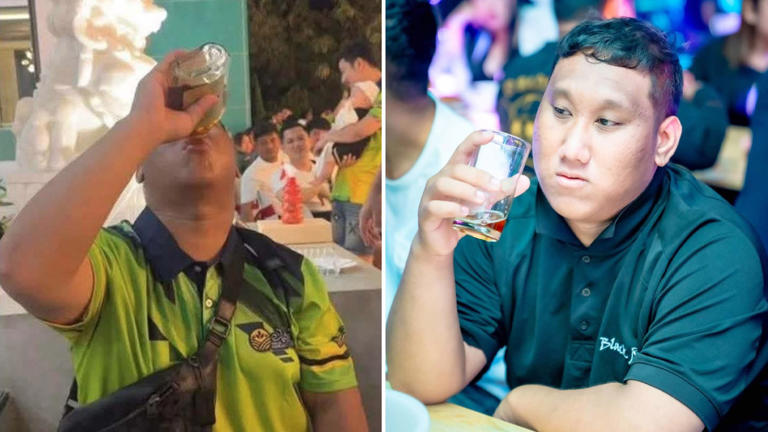
On December 25, at a birthday party in Chanthaburi’s Tha Mai district, Kanthee was reportedly challenged to drink two 350 ml bottles of whiskey within 10-20 minutes. The stakes were high: he was offered 10,000 baht (approximately Rs 25,000) per bottle, with the potential to earn up to 30,000 baht. Thanakarn Kanthee, already intoxicated, accepted the challenge.
Read : Drug Lord Who Smuggled Cocaine Into the UK Proposes Thai Girlfriend From Prison
Video footage from the party captured the young influencer drinking the whiskey rapidly, encouraged by onlookers. Soon after completing the challenge, Thanakarn Kanthee collapsed and began vomiting. He was rushed to a hospital, where he was later pronounced dead due to alcohol poisoning.
The Fallout: Arrest and Public Outrage
Following Kanthee’s death, authorities arrested Ekkachart Meephrom, the individual who allegedly hired him for the challenge. Known online as “Em Ekkachart,” the accused was charged with recklessness leading to Kanthee’s death.
Police seized evidence from Ekkachart’s home, including mobile phones and financial records, to investigate his involvement in the incident and possible connections to illegal activities such as gambling.
Ekkachart admitted his role in organizing the challenge and was denied bail due to the severity of his actions. The charges against him carry a potential jail sentence of up to 10 years and a fine of 20,000 baht.
Bir şişe likörü tek seferde bitirmeyi 30.000 baht karşılığında kabul eden ve Facebook'ta 3 milyondan fazla takipçisi olan Taylandlı influencer öldü. pic.twitter.com/E0BArvqF92
— HBRT Doğru Ve Tarafsız Haber (@HBRT_TR) December 26, 2024
The case has sparked widespread condemnation on social media, with users expressing outrage over the dangerous nature of such challenges and the lack of accountability from those involved.
Many criticized the partygoers for their inaction during the incident and slammed the creation of “rubbish content” that prioritizes views and entertainment over human dignity and safety.
Activist Guntouch Pongpaiboonwet has offered to support Kanthee’s family in seeking justice. He highlighted the exploitation and dehumanization often faced by vulnerable individuals like Thanakarn Kanthee, who endure ridicule and humiliation in exchange for financial survival.
The Dangers of Exploitative Online Trends
Kanthee’s death underscores the perils of a social media culture that often glorifies extreme challenges for viral fame and monetary gain. Platforms have increasingly become arenas for dangerous stunts, with creators and participants driven by the promise of likes, shares, and financial rewards.
For Thanakarn Kanthee, these challenges were more than just stunts—they were a means of providing for his family. In a poignant social media post, he once wrote, “I am willing to be bullied and insulted to just get scraps of money from the rich people in order to provide for my family.”
His words reflect the desperation that can lead vulnerable individuals to accept exploitative opportunities without fully considering the risks.
The role of audiences in perpetuating such trends cannot be ignored. Viewers, often drawn to shocking or outrageous content, create a demand for increasingly risky and harmful stunts. This cycle not only endangers the participants but also sets a dangerous precedent for impressionable audiences who may attempt to replicate such acts.
The tragic death of Thanakarn Kanthee serves as a stark reminder of the ethical responsibilities of content creators, audiences, and platform operators. It calls for greater accountability and safeguards to prevent the exploitation of vulnerable individuals in the pursuit of online fame.
While justice for Thanakarn Kanthee is being pursued through legal channels, his story should prompt deeper reflection on the societal and cultural factors that enable such tragedies. As the world mourns the loss of a young life cut short, it is crucial to advocate for a safer and more responsible digital landscape.